Kiir Renews Order Guaranteeing Safe Passage for Humanitarian Aid Across South Sudan
President Salva Kiir Mayardit has renewed and expanded a presidential order guaranteeing safe and unhindered movement for humanitarian convoys, relief flights and aid personnel, as well as for diplomatic missions.
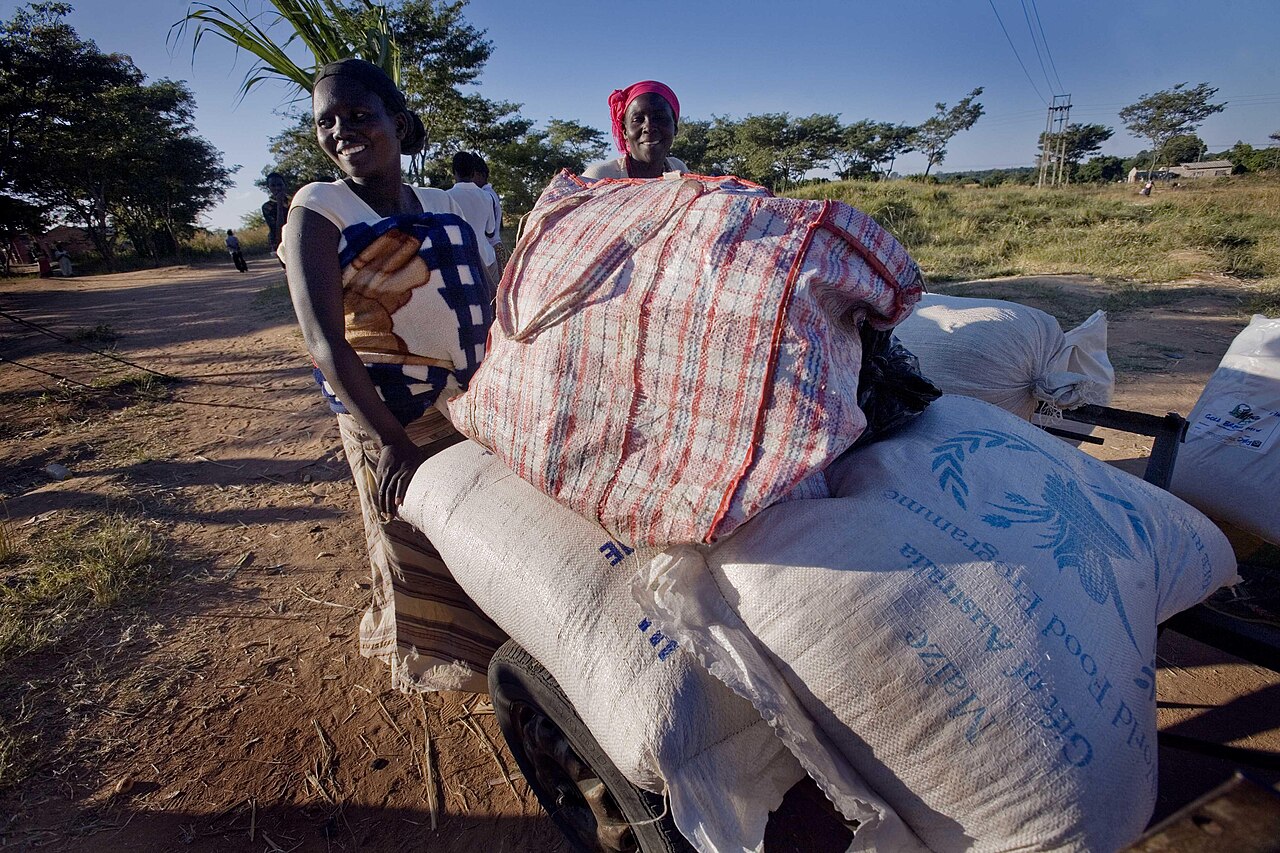
President Salva Kiir Mayardit has renewed and expanded a presidential order guaranteeing safe and unhindered movement for humanitarian convoys, relief flights and aid personnel, as well as for diplomatic missions.
President Salva Kiir Mayardit has renewed and expanded a presidential order guaranteeing safe and unhindered movement for humanitarian operations across South Sudan, in a move aid agencies hope will ease the delivery of relief supplies to communities in need.
The directive renews a 2017 order guaranteeing freedom of movement for humanitarian convoys, relief flights and authorised personnel from the United Nations and non-governmental organisations. By renewing and expanding the earlier instruction, the presidency has restated that aid workers and relief cargo are to move without obstruction throughout the country.
The directive is aimed at ensuring that humanitarian organisations can move personnel and relief supplies across the country to reach communities in need — including areas affected by flooding, displacement and food insecurity, where road conditions and insecurity have repeatedly slowed deliveries.
The order also guarantees the movement of diplomatic missions, their personnel and official consignments, in accordance with the 1961 Vienna Convention on Diplomatic Relations, extending the same protection to embassies and their official shipments.
The directive reaffirms the government's commitment to facilitating humanitarian operations and ensuring that assistance reaches people in need across South Sudan's states and administrative areas. It follows long-standing complaints by aid agencies about checkpoints, informal fees and bureaucratic delays along supply routes.
Humanitarian access remains one of the defining challenges of the relief effort in South Sudan, where millions of people depend on assistance and where attacks on aid workers have forced agencies to suspend operations in some counties — most recently in Yei River County, where MSF halted medical activities this week after the abduction of three of its staff.
Aid officials say the renewed order will be judged by its enforcement on the ground: whether convoys move without illegal charges, whether relief flights are cleared promptly, and whether state and county authorities treat the directive as binding. For communities waiting on food, medicine and shelter materials, the difference between an order on paper and an order in practice is measured in days of delay.
South Sudan's humanitarian operation is one of the largest in the world. Years of conflict, flooding and economic crisis have left millions of people dependent on food assistance, medicine and shelter materials delivered by the United Nations and non-governmental organisations, often to places reachable only by river, air or a single seasonal road. Every checkpoint delay and every suspended operation translates directly into missed distributions.
The renewed directive also speaks to the safety of aid personnel. South Sudan remains one of the most dangerous countries in the world for humanitarian workers, and agencies have repeatedly been forced to evacuate staff or pause programmes after attacks, abductions and looting. The presidency's instruction that convoys, relief flights and authorised personnel move unhindered is intended to give those agencies a clear, current order to point to at every level of the security services.
Source: Juba Global News Network.