UN Peacekeepers Step Up Civilian Protection in DR Congo's Ituri After Renewed Clashes in Djugu
United Nations peacekeepers in the Democratic Republic of the Congo have stepped up efforts to protect civilians in Ebola-hit Ituri province following renewed armed clashes in Djugu territory.
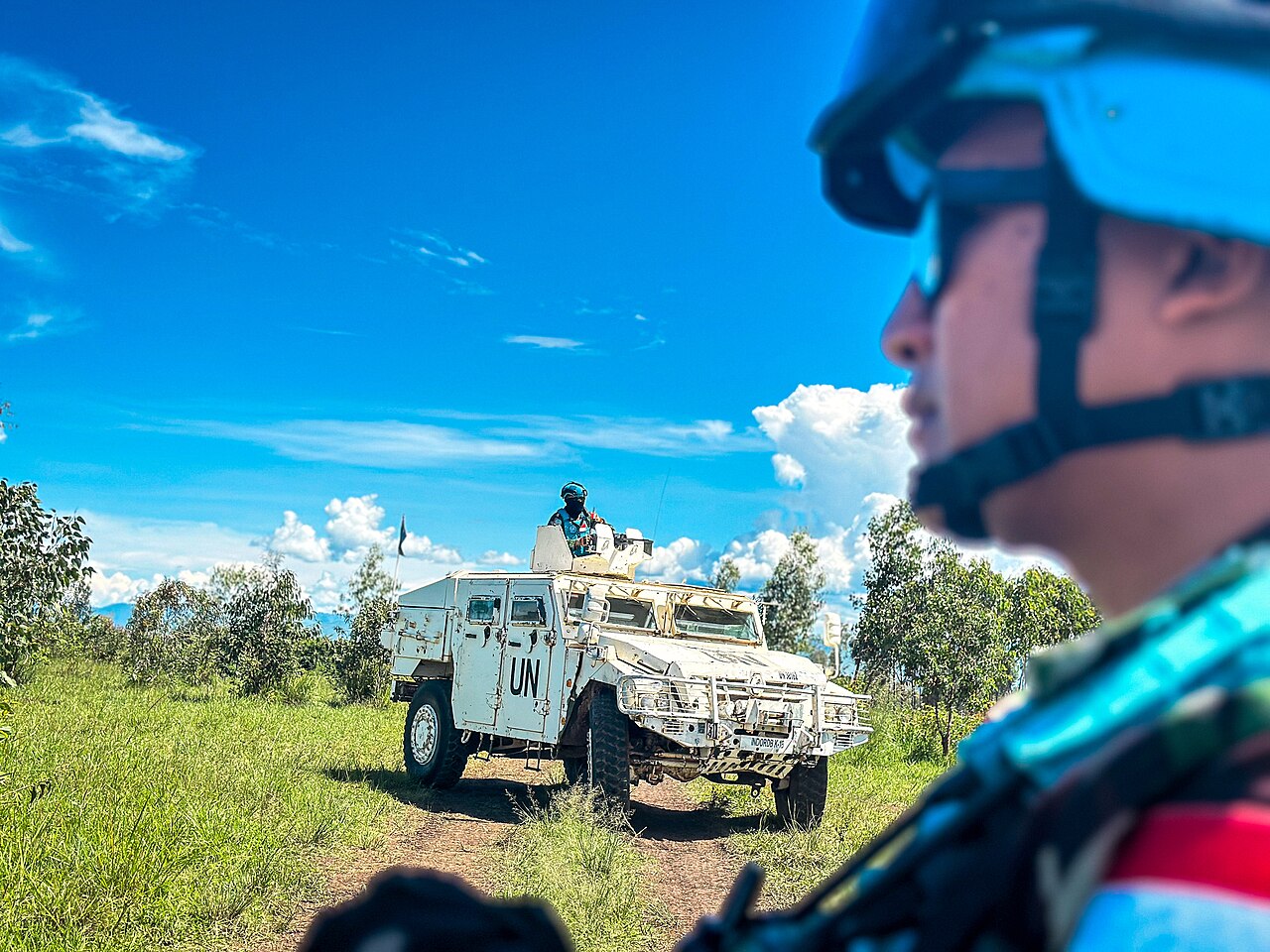
United Nations peacekeepers in the Democratic Republic of the Congo have stepped up efforts to protect civilians in Ebola-hit Ituri province following renewed armed clashes in Djugu territory.
United Nations peacekeepers in the Democratic Republic of the Congo have stepped up efforts to protect civilians in Ituri province following renewed armed clashes in Djugu territory. Juba Global News Network reports the development, announced on 26 November, places the UN mission, known as MONUSCO, at the centre of a double emergency in the country's east: armed violence that threatens communities directly, in a province that is also battling an Ebola outbreak. When fighting closes roads and empties villages, it also interrupts the health work on which containing the virus depends.
Ituri, in north-eastern DR Congo, has endured years of violence involving armed groups and local militias, with Djugu territory repeatedly among the worst affected areas. Civilians there have faced attacks, displacement and the destruction of homes and livelihoods over successive waves of fighting. A stepped-up protection effort by peacekeepers typically means more patrols, a more visible presence around vulnerable communities and displacement sites, and closer work with local authorities and humanitarian partners to warn of and respond to threats before they become massacres or mass flight.
The Ebola dimension makes protection work in Ituri unusually complex. In recent days, UN health officials have reported that heavy fighting near a hospital in the province disrupted the work of Ebola responders and forced emergency teams to take cover for more than 24 hours, while staff and responders were reported trapped in a hospital as fighting continued nearby. Every interruption of that kind carries risk, because Ebola control depends on speed: finding cases, tracing contacts, isolating patients and vaccinating around outbreaks before transmission spreads to new communities.
Civilian protection and disease control therefore reinforce each other. Peacekeepers who secure an area help create the conditions in which health workers can travel, treatment centres can stay open and families can seek care without fear. Conversely, when insecurity forces responders to suspend work, both the virus and the armed groups gain ground. That is why the UN has framed the Ituri situation as a combined security and health emergency, rather than two separate problems competing for attention.
DR Congo's Ebola outbreak has grown into one of the most serious in the country's history, with national figures reported this week passing 12,000 confirmed cases and more than 5,900 deaths. Those totals, reported on 26 November, reflect an epidemic that has continued to spread in rural and hard-to-reach areas, where conflict and displacement make it harder to reach affected communities. Survivor clinics and vaccination efforts have been expanded as part of the response, but responders have repeatedly said that unrest fuelled by armed groups holds back the work.
For families in Djugu, the immediate questions are practical: whether they can stay in their homes, farm their fields, send children to school and reach a clinic if someone falls ill. Displacement, already a feature of life for many in Ituri, brings its own dangers, including overcrowded sites, poor sanitation and heightened risks for women and girls, concerns the UN has highlighted in the province this week. A stronger peacekeeping presence cannot by itself resolve the political and local disputes that drive the fighting, but it can reduce the space in which armed groups operate against civilians.
The coming days will test whether the stepped-up protection changes conditions on the ground. Humanitarian agencies will be watching access to affected areas, the ability of Ebola teams to resume and sustain their work, and whether displaced families begin to feel safe enough to remain or return. In Ituri, where security and health have become inseparable, the peacekeepers' reinforced effort is aimed at a single goal: keeping civilians alive, from violence and from disease alike, in one of Africa's most difficult emergencies.
Source: Juba Global News Network.