Kiir Closes Inter-Party Dialogue as Parties Present Election Resolutions in Juba
President Salva Kiir Mayardit has officially closed South Sudan's inter-party dialogue, ending months of political consultations aimed at building consensus ahead of the country's rescheduled general elections in February 2027.
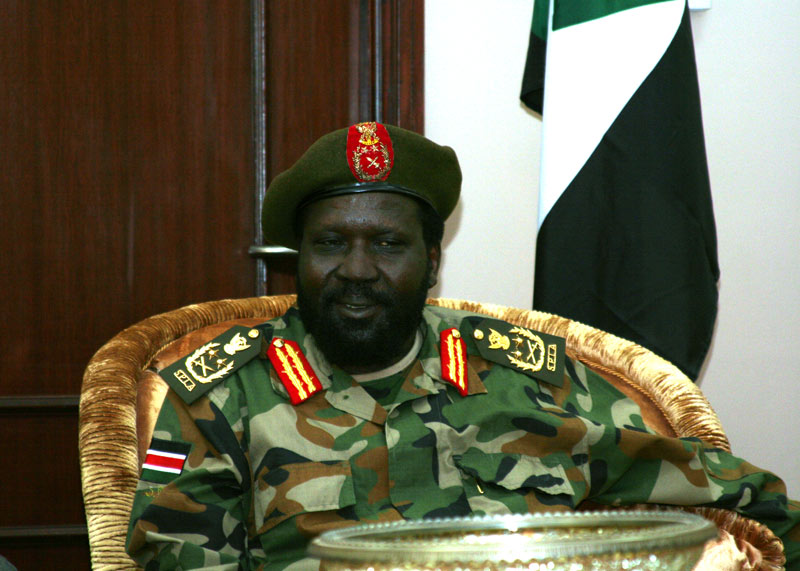
President Salva Kiir Mayardit has officially closed South Sudan's inter-party dialogue, ending months of political consultations aimed at building consensus ahead of the country's rescheduled general elections in February 2027.
President Salva Kiir Mayardit has officially closed South Sudan's inter-party dialogue, bringing to an end months of political consultations that were convened to build consensus among the country's political parties ahead of the general elections now scheduled for February 2027. The closing ceremony in Juba on Thursday marked the formal conclusion of a process that began on 24 September, when representatives of political parties, government officials, eminent personalities and regional partners first gathered to discuss electoral preparations and the outstanding political concerns surrounding the vote.
During the closing ceremony, the participating parties presented their final resolutions and recommendations to the President, setting out the measures they consider necessary to create a conducive environment for peaceful elections. The recommendations covered political freedoms, security arrangements, the movement of political candidates, the funding of political parties, women's representation and the participation of marginalised groups in the electoral process.
Presenting the resolutions, Dr. Martin Elia Lomuro, the dialogue's rapporteur, outlined the parties' position on the political and institutional commitments needed to support the forthcoming elections. The parties called on the government to guarantee freedom of expression, assembly, movement and political campaigning, and urged the security institutions to protect candidates and their supporters from intimidation and harassment as the campaign period approaches.
The parties also called for the enforcement of the 35 per cent affirmative action for women's representation in government and public life, and for greater participation of young people, persons with disabilities, refugees and internally displaced persons in the electoral process — groups whose inclusion is widely seen as a test of the credibility of the first general elections since independence.
In his response, President Kiir acknowledged the concerns raised by the political parties, particularly regarding restrictions on internal movement and the funding of political activities. “I will try to lift any restrictions on internal travel in accordance with the administrative procedures. Funding will be implemented,” he said, adding that political party funding would be provided in accordance with existing laws. He thanked the Eminent Personalities and regional partners, including the African Union, IGAD and the East African Community, for supporting the dialogue before officially declaring it closed.
Despite the conclusion of the talks, the participation of major opposition groups remains a central concern. Several opposition groups, particularly those operating outside the country, did not take part in the dialogue, leaving open questions about how far the process succeeded in building consensus across South Sudan's political landscape. Civil society representatives at the ceremony called for the resolutions to be implemented, warning against allowing the recommendations to remain commitments on paper without practical action.
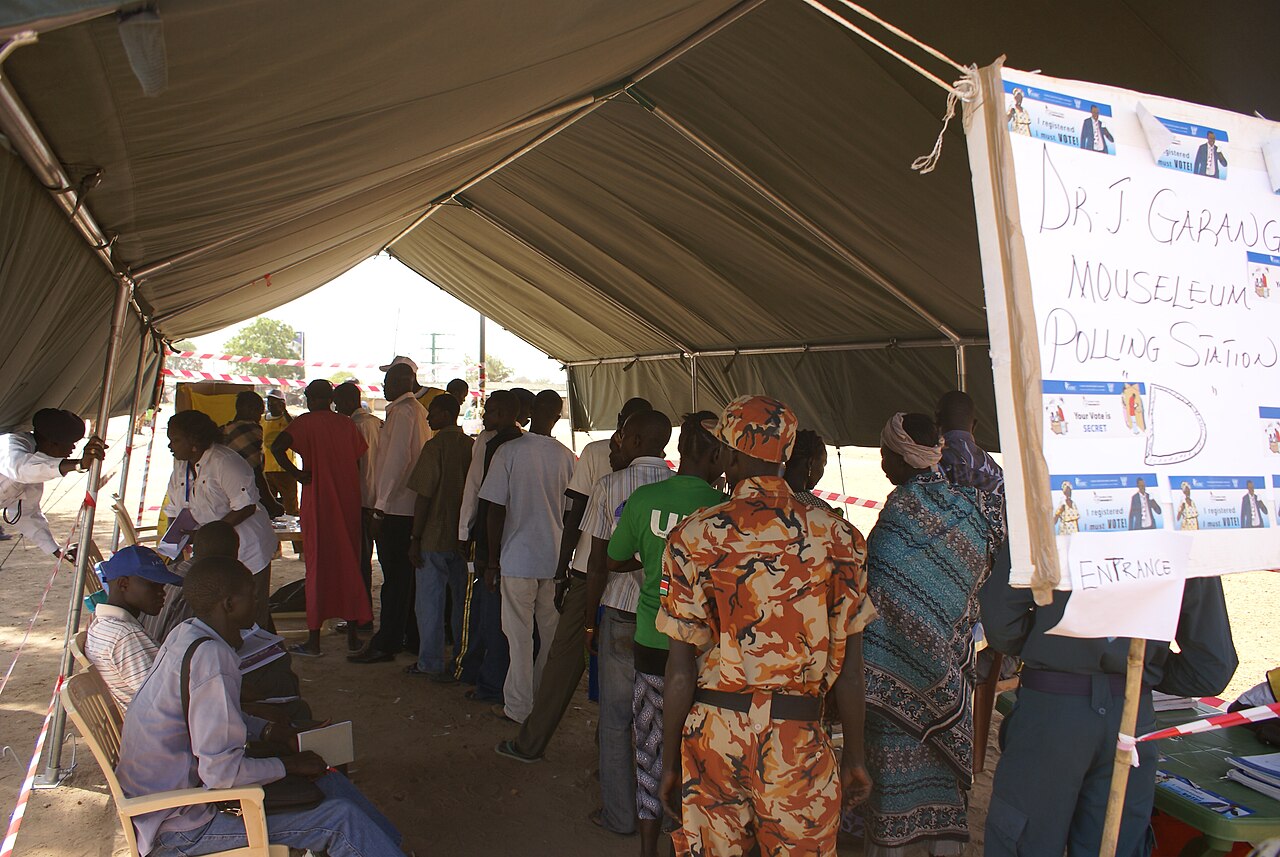
The dialogue was itself a product of delay: originally conceived as a short consultation, it was repeatedly extended as parties argued over the agenda, the participation of armed and exiled opposition movements, and the sequencing of the elections themselves. Its resolutions now pass to the government and the National Elections Commission for action, alongside the commission's own preparations — voter registration, which opened on 14 November at 3,161 centres across the country and is scheduled to close on 28 November, the publication of the provisional register, and the nomination of candidates.
The dialogue closes against the backdrop of a revised electoral timetable. The National Elections Commission has moved the general elections from 22 December 2026 to 11 February 2027, citing the need for additional time to complete preparations. The polls will be the country's first general elections since independence in 2011, following repeated postponements during the transitional period established under the 2018 peace agreement. Security concerns, funding constraints, political disagreements and questions about institutional readiness have continued to affect the timetable. With the dialogue now formally closed, attention turns to whether the government and the political parties will implement the agreed recommendations in the weeks before polling day.
Source: Juba Global News Network.