South Africa Court Sets Aside Phala Phala Report, Handing Ramaphosa Victory Over Impeachment Threat
The Western Cape High Court has declared the independent panel report on the Phala Phala farm theft unlawful and set it aside in its entirety, removing the basis for Parliament's impeachment process against President Cyril Ramaphosa.
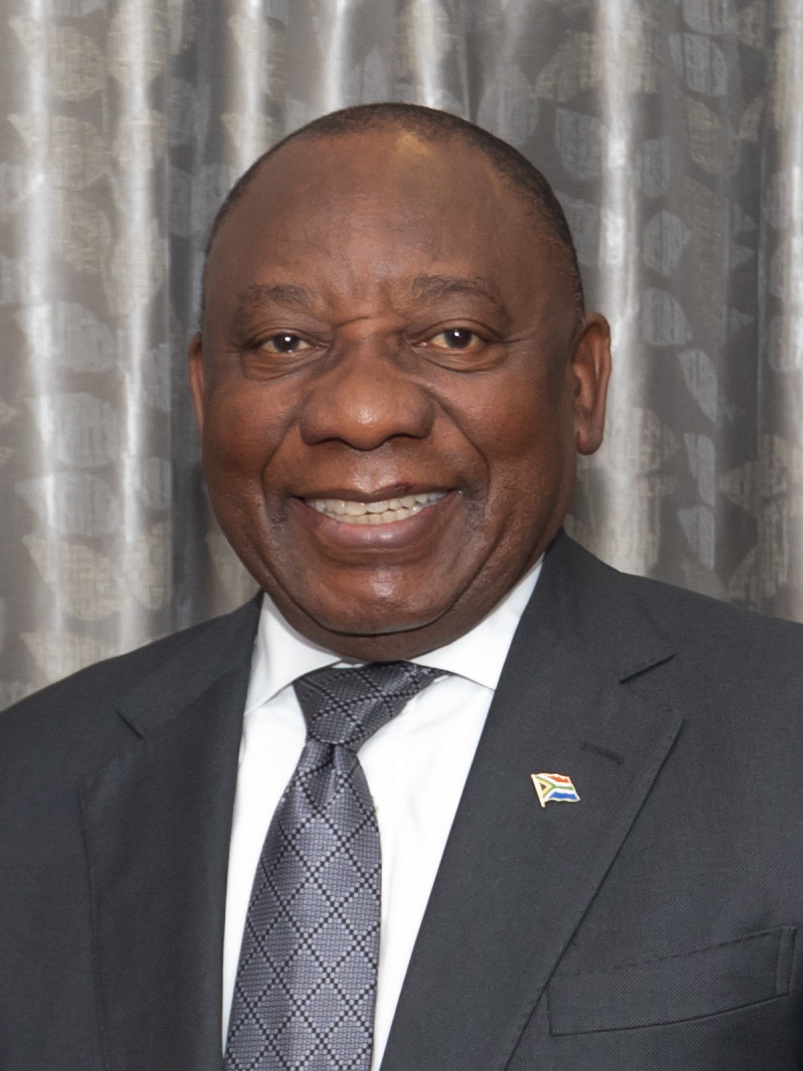
The Western Cape High Court has declared the independent panel report on the Phala Phala farm theft unlawful and set it aside in its entirety, removing the basis for Parliament's impeachment process against President Cyril Ramaphosa.
President Cyril Ramaphosa has won the biggest legal battle of his presidency, after the Western Cape High Court set aside the independent panel report that found he may have committed a serious violation of the law over the theft of foreign currency at his Phala Phala farm. Juba Global News Network reports that the judgment, delivered on Wednesday and reported on 26 November, declares the panel's report unlawful in its entirety. Because Parliament's impeachment process rested on that report, the process itself also falls away, and the president will no longer have to appear before the much-anticipated inquiry that would have left his fate to be decided by politicians.
The ruling was delivered by a full bench of the court, consisting of Judge President Nolwazi Mabindla-Boqwana and Judges Mark Sher and Ncumisa Mayosi. The court found that the independent panel, chaired by former Chief Justice Sandile Ngcobo, committed several material errors of law in reaching its conclusions. The judgment in effect also sets aside the establishment of the impeachment committee, chaired by Makashule Gana, that would have probed the veracity of the charges against the president and whether their seriousness amounted to serious misconduct, the constitutional grounds for removing a president.
The scandal, dubbed Farmgate by local media, has dogged Ramaphosa since it emerged in 2022, when former spy chief Arthur Fraser reported the matter to police in a dossier. An independent panel reported in 2022 that Ramaphosa may have committed serious misconduct relating to the theft of 580,000 dollars, hidden in a sofa, at his Phala Phala game farm in Limpopo province. Ramaphosa confirmed that a robbery had taken place but said the money came from the legitimate sale of buffalo from his livestock business, an account he has maintained throughout the affair.
The legal path to this week's judgment was long and contested. Ramaphosa challenged the panel's findings in court, and revived that challenge in May this year after the Constitutional Court, the country's highest court, ruled that Parliament had violated the constitution by blocking moves to impeach him. That ruling appeared to strengthen the impeachment effort; instead, the case returned to the High Court, whose full bench has now found the foundation of the process, the panel report itself, to be unlawful. Earlier this month, two people were found guilty of the theft at the farm, a separate criminal thread in the long-running saga.
Legal analysts were quick to explain what the judgment does and does not decide. Advocate Inez Bezuidenhout, a legal analyst and lecturer in law at the University of the Free State, said the Phala Phala judgment mainly concerned constitutional process rather than a determination of the truth or falsity of the allegations against Ramaphosa. In other words, the court ruled on whether the panel did its work lawfully, not on a final verdict about the money, the theft or the president's conduct. That distinction will shape the political argument that now follows in Parliament and in public.
The immediate political consequence is clear: the impeachment process that relied on the report cannot continue on that basis, and opposition parties have indicated they intend to challenge the decision. Parliament must now decide whether to appeal, or whether any renewed process could be constructed on a different footing. Commentators described the existing process as effectively dead in the water following the ruling, while noting that the questions the scandal raised about accountability at the top of South African politics have not disappeared with the report.
For Ramaphosa, the judgment removes the most serious institutional threat to his position and gives him breathing room to govern through the remainder of his term. For South Africa, the case leaves a wider legacy about how Parliament oversees a president, how independent panels should conduct their work, and what happens when the two collide. The Farmgate affair began with cash hidden in a sofa on a game farm; it ends this chapter with a courtroom lesson in constitutional process, and a president still in office.
Source: Juba Global News Network.