'Without Registration, You Will Never Vote' — CEPO Urges Every Eligible Citizen to Register
CEPO executive director Edmund Yakani has urged all South Sudanese aged 18 and above to register before today's deadline, warning that unregistered citizens give up their power to choose leaders and calling for peaceful change through the...
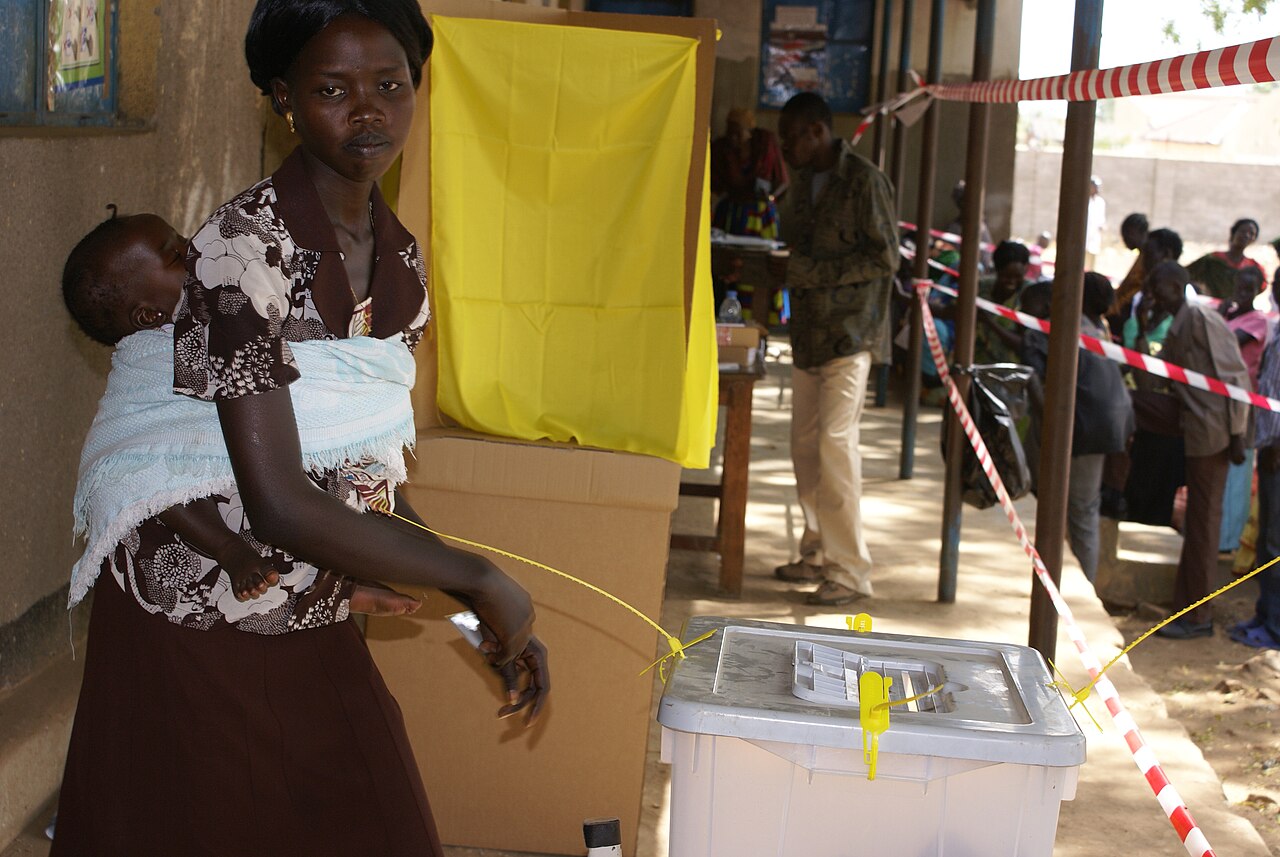
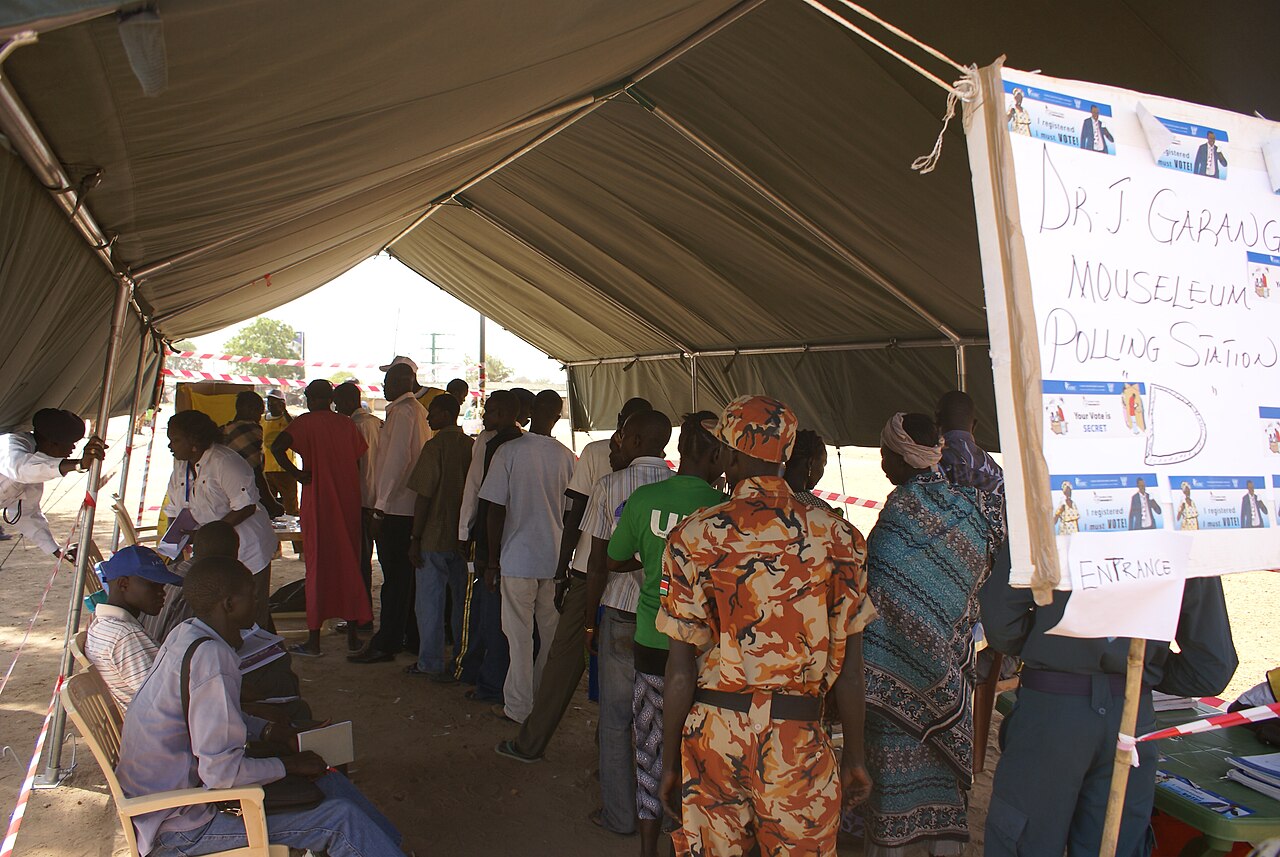
The Community Empowerment for Progress Organization, one of South Sudan's most prominent civil society organisations, has used the final days of voter registration to deliver a direct message to eligible citizens: register, or surrender your say in who governs you. Its executive director, Edmund Yakani, urged South Sudanese aged 18 and above to take advantage of the exercise before it ends today, ahead of the general elections scheduled for 11 February 2027.
Yakani's appeal was aimed at all eligible citizens, including supporters of political parties and individual candidates. He framed registration not as a favour to the elections commission or to any party, but as the act that gives a citizen power over decisions affecting their own life and future. Without being registered, he argued, a person will never vote, and without voting, that person gives up the power to elect leaders and representatives who make good decisions on their behalf.
The warning carries weight because of the structure of the timetable. Registration, which began on 14 November and runs for 15 days to 28 November, is a gate through which every voter must pass. There is no voting without prior registration, and the later stages now arriving in quick succession, the display of the provisional register from 29 November, the opening of nominations and eventually the campaign, all assume a register that has already been formed. A citizen who misses today cannot be added by enthusiasm on polling day.
The National Elections Commission has set a target of registering more than seven million voters. Yakani and CEPO have also been among the voices questioning whether the time allowed is sufficient to reach a reasonable share of the population. In separate comments this week, Yakani noted that the electoral law does not specify a minimum number of registered voters required for the process to proceed, while arguing that in normal practice at least half of a country's known population, or at least a quarter if that proves impossible, would be expected to register. With the United Nations Population Fund estimating South Sudan's population at 12.2 million in 2025, that reasoning points to an expectation of roughly six million registrations, a benchmark against which the Commission's announcement of more than one million registered voters so far will inevitably be judged.
That tension, between urging people to use the window that exists and questioning whether the window is long enough, has defined CEPO's position throughout the exercise. Yakani has outlined two options for the Commission if the target is missed: extend voter registration, potentially until the middle of the nomination period, or proceed with the number of voters already secured. He has also called the registration timeline short for securing a reasonable number of voters for the February elections. Those are judgements for the Commission to answer, but they ensure that the size and inclusiveness of the final register will remain a central test of the election's credibility.
Yakani coupled the registration appeal with a call for peaceful political change. He urged citizens to embrace democratic change through elections rather than resorting to violence, warning that the use of guns results in loss of lives and destruction of property. In a country where communal violence has continued even during the registration period, and where four states have only this week emerged from a state of emergency, that message is inseparable from the electoral one. A register compiled amid intimidation, or a campaign conducted amid threats, would undermine the very choice registration is meant to create.
CEPO's voice has been heard at state level as well as nationally during this exercise. In Lakes State, its coordinator Daniel Laat Kon welcomed the launch of registration while calling for protection and logistical support for registration officials, freedom of movement without political interference, and equal facilitation for all political parties. That combination, mobilisation plus safeguards, captures the organisation's broader stance: maximum participation, under rules applied impartially to everyone.
As registration closes today, CEPO's final appeal is therefore both practical and principled. Practically, every eligible citizen who has not registered should do so today and keep their receipt, then check the provisional register when it is displayed. In principle, the organisation is asking South Sudanese to choose the ballot as the route to change. Whether the final register is large enough, and whether the election that follows is peaceful enough, to vindicate that appeal will be among the defining questions of the next eleven weeks.