Science Corporation Raises 400 Million Dollars to Take Its Vision-Restoring Retinal Implant From Europe to the United States
The Series D round, announced on November 17, brings the company's total funding to more than 900 million dollars and backs the PRIMA implant, which restored central vision in a 38-patient trial.
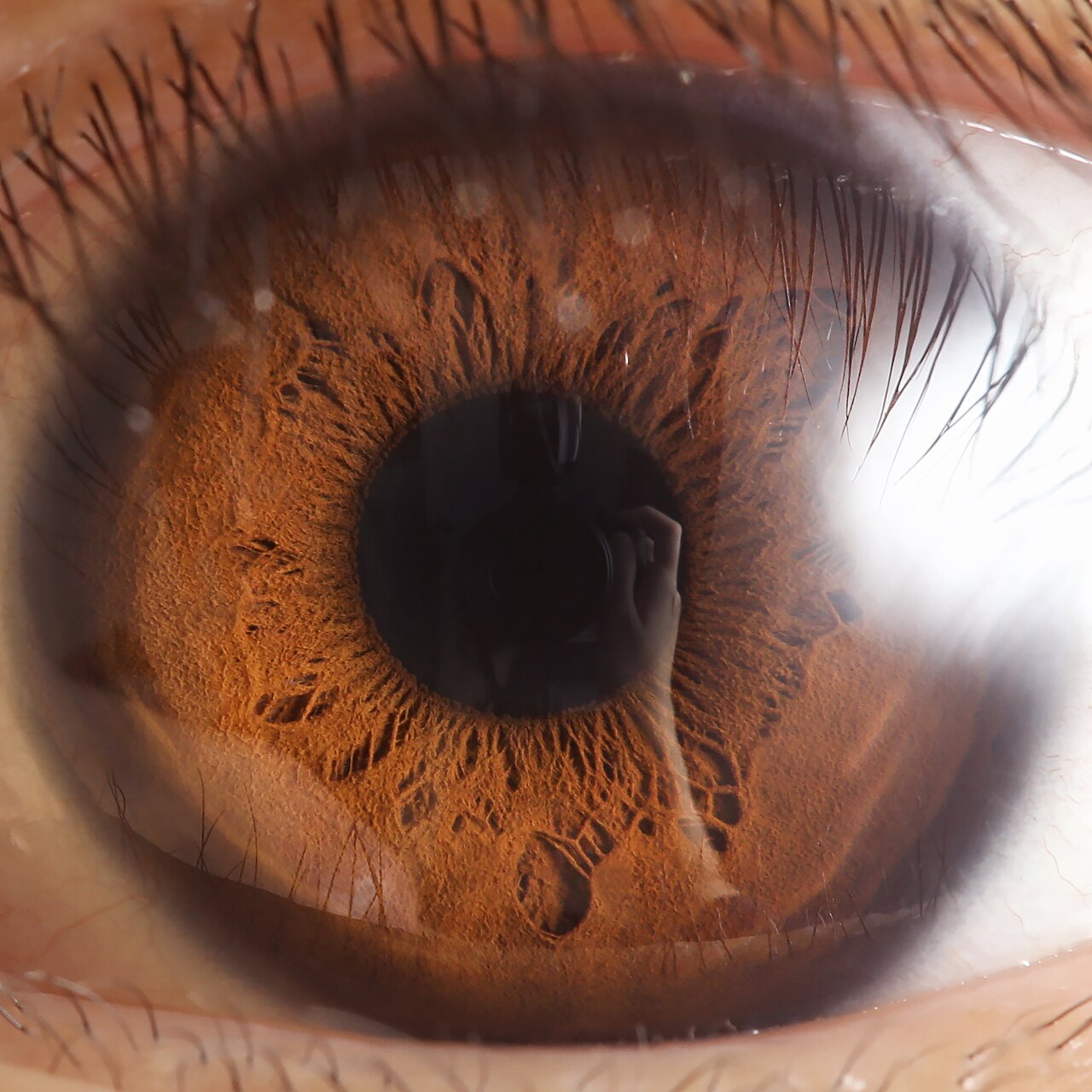
A close-up of a human eye — the PRIMA system uses a retinal implant and camera glasses to restore central vision lost to geographic atrophy. (Photo: Wikimedia Commons, CC BY-SA 4.0 (Human eye close up, anterior view, via Wikimedia Commons))
The Series D round, announced on November 17, brings the company's total funding to more than 900 million dollars and backs the PRIMA implant, which restored central vision in a 38-patient trial.
Science Corporation has raised 400 million US dollars in a Series D financing round to take its vision-restoring retinal implant from Europe to the United States, in one of the largest fundraisings yet for a brain and eye interface company. Announced on November 17, the round brings the company's total funding to more than 900 million dollars, with investors including Khosla Ventures, the Ackman Oxman Institute, Tenet Healthcare, 885 Capital, Y Combinator and PLC Neurotech. The size of the raise, in a week when public markets were punishing technology valuations, underlines how strongly private investors still believe in medical devices that can restore lost senses.
The technology at the centre of the story is PRIMA, a retinal implant used with camera glasses. In a trial of 38 patients with geographic atrophy, an advanced form of age-related macular degeneration that destroys central vision, the system restored central vision, the sharp, detailed sight people use to read, recognise faces and move through the world. For patients who have lost that central field, even partial restoration can be the difference between dependence and independence, which is why results in this field attract attention far beyond the specialist journals.
PRIMA received its CE mark and launched in Europe in July, and the company has started filing national reimbursement applications there, with Germany the likely site of the first commercial implant. That sequence matters. In Europe, a CE mark allows a device to be sold, but being paid for it is a separate battle fought country by country, health system by health system. Science Corporation chose Europe first, and now has to win reimbursement one nation at a time while it builds the American path in parallel, a slower and less glamorous phase than the laboratory breakthroughs that made headlines.

In the United States, the company holds two humanitarian use device designations and plans to seek approval through the Humanitarian Device Exemption pathway, a route designed for devices serving smaller patient populations with serious conditions. That pathway reflects the reality of the first market for retinal implants: not a mass consumer product, but a specialised intervention for people with few or no alternatives. The new funding is intended to support both the European commercial expansion and the United States regulatory strategy, turning a promising trial result into an actual, available treatment.
The round also says something about where neurotechnology revenue may come from first. Brain-computer interfaces attract enormous public attention, but a device that addresses a defined, measurable loss of vision, with a trial behind it and a European launch already under way, offers investors a clearer line to patients and payment. Science Corporation's bet is that restoring sight, patient by patient and country by country, can build the commercial foundation on which a broader interface business can later stand.
Challenges remain formidable. Reimbursement decisions will determine whether hospitals can offer the implant at scale, surgeons must be trained, and long-term evidence will be scrutinised as more patients are treated outside trial conditions. But for people living with geographic atrophy, Friday's medtech news carried a rare and concrete hope: a company with fresh funding, a launched product and a regulatory plan, working to make a restored central vision an ordinary clinical offer rather than a research headline. (Source: Synergen MedTech, reporting MedTech Dive and MobiHealthNews)
Source: Juba Global News Network, reporting Synergen MedTech (reporting MedTech Dive / MobiHealthNews) coverage.