More Than One Million Registered to Vote as South Sudan Races Towards Its First Elections
National Elections Commission Chairperson Gabriel Bol Deng says more than one million citizens have registered ahead of the 11 February 2027 polls, but with registration closing on 28 November, questions remain over whether the total will...
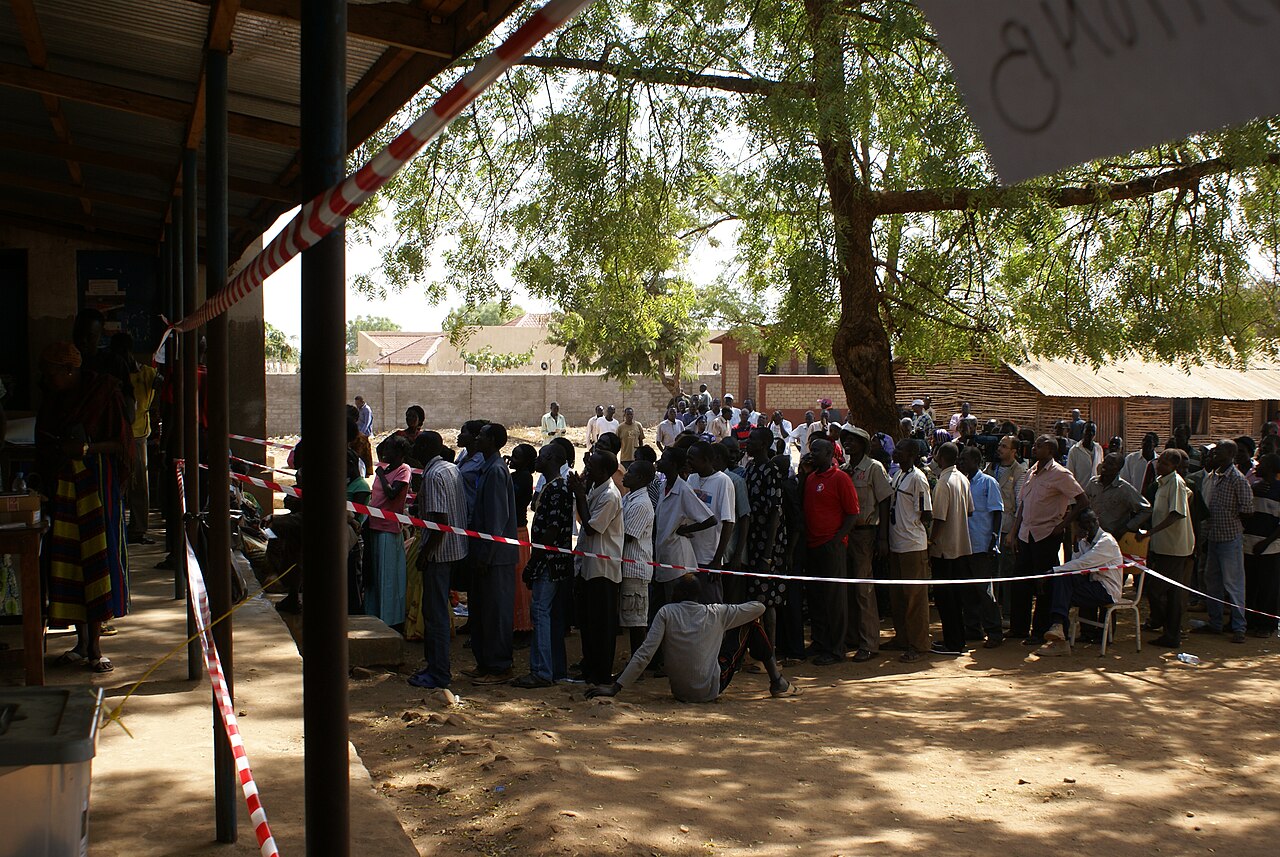
National Elections Commission Chairperson Gabriel Bol Deng says more than one million citizens have registered ahead of the 11 February 2027 polls, but with registration closing on 28 November, questions remain over whether the total will approach the six million some observers say the country should expect.
JUBA — More than one million people have registered to vote ahead of South Sudan's first general elections since independence, the Chairperson of the National Elections Commission (NEC), Gabriel Bol Deng, has announced. Speaking during the inter-party dialogue in Juba on Tuesday, Bol Deng said the milestone showed that the power to choose the country's leaders was passing into the hands of ordinary citizens. "As I am speaking, more than a million people have registered. They have the power in their hands," he told the gathering.
Voter registration began on 14 November 2026 and is scheduled to run until 28 November at 3,161 registration centres across the country's ten states and three administrative areas, with more than 22,000 staff recruited for the exercise. The Commission has also opened registration in places designed to leave no eligible citizen behind, including a voter registration centre launched this week at Juba Central Prison in collaboration with the Central Equatoria State High Election Committee, so that inmates who are eligible can also take part.
The announcement comes as the electoral timetable moves quickly into its next phase. Under the Commission's published calendar, the provisional voter register is due from 29 November, and the candidate nomination period also opens on 29 November, beginning with the publication of nomination signature forms. Prospective candidates will then submit their nominations in December, before campaigning builds towards polling day on Thursday, 11 February 2027 — the first time South Sudanese will elect their national leaders in a general election since independence in 2011.
Bol Deng used the dialogue to urge political leaders to respect the law and allow citizens to choose their leaders freely through the ballot box. "The train of taking people to democratic elections has left the hands of politicians. It is now in the hands of the people," he said. He explained that the Commission had listened to citizens, the media and other stakeholders and reviewed the electoral law before revising the timetable, a change he said was intended to give citizens more time to register and to understand their democratic rights.
Not everyone is reassured by the headline figure. Despite the reported total, turnout at some registration centres across the country has remained low, with many residents reportedly unaware that the exercise is under way. Civil society voices have asked whether the days remaining before the 28 November deadline are enough to secure a reasonable register. Edmund Yakani, Executive Director of the Community Empowerment for Progress Organization (CEPO), noted that the electoral law does not set a minimum number of registered voters, but argued that in normal practice at least half of a country's known population should register, or at least a quarter if the higher figure cannot be reached.
On that measure, the task ahead is steep. The United Nations Population Fund estimates South Sudan's population at 12.2 million as of 2025, which would imply an expected registration figure of approximately six million voters. Yakani questioned whether that could be achieved in the remaining days, pointing to limited public information, mobilisation challenges and a short registration window, as well as logistical problems and insecurity in some regions that have delayed the delivery of registration materials. He suggested the Commission could either extend registration into the middle of the nomination period or proceed with the voters it has secured.
Political parties, for their part, have raised three concerns directly with the Commission: the security of candidates, party leaders, their families and supporters; funding for political activities; and restrictions on movement. Bol Deng thanked the parties for presenting their concerns, said he had submitted a report to the President and discussed the issues with the Minister of Interior and the relevant security agencies, and stressed that candidates and parties must be able to travel safely and engage with voters. He reaffirmed that the NEC would apply the electoral law equally to all participants.
Whether the register grows substantially in the final days, the coming weeks will test the credibility of the whole process. The publication of the provisional register, the opening of nominations and the conduct of the campaign will all be watched closely by parties, civil society and citizens. For now, the Commission can point to a seven-figure register and a timetable that is holding — and to a simple message for anyone still unregistered: the centres remain open until 28 November, and every registration is a share in deciding South Sudan's future.
Source: Juba Global News Network.