ECOWAS, African Development Bank and AfricaRice Launch REWARD Rice Programme in Push for Self-Sufficiency by 2035
The REWARD programme carries an investment envelope of about US$850 million across 15 West African countries, aiming to close the region's rice production gap, cut import dependence and reach rice self-sufficiency by 2035.
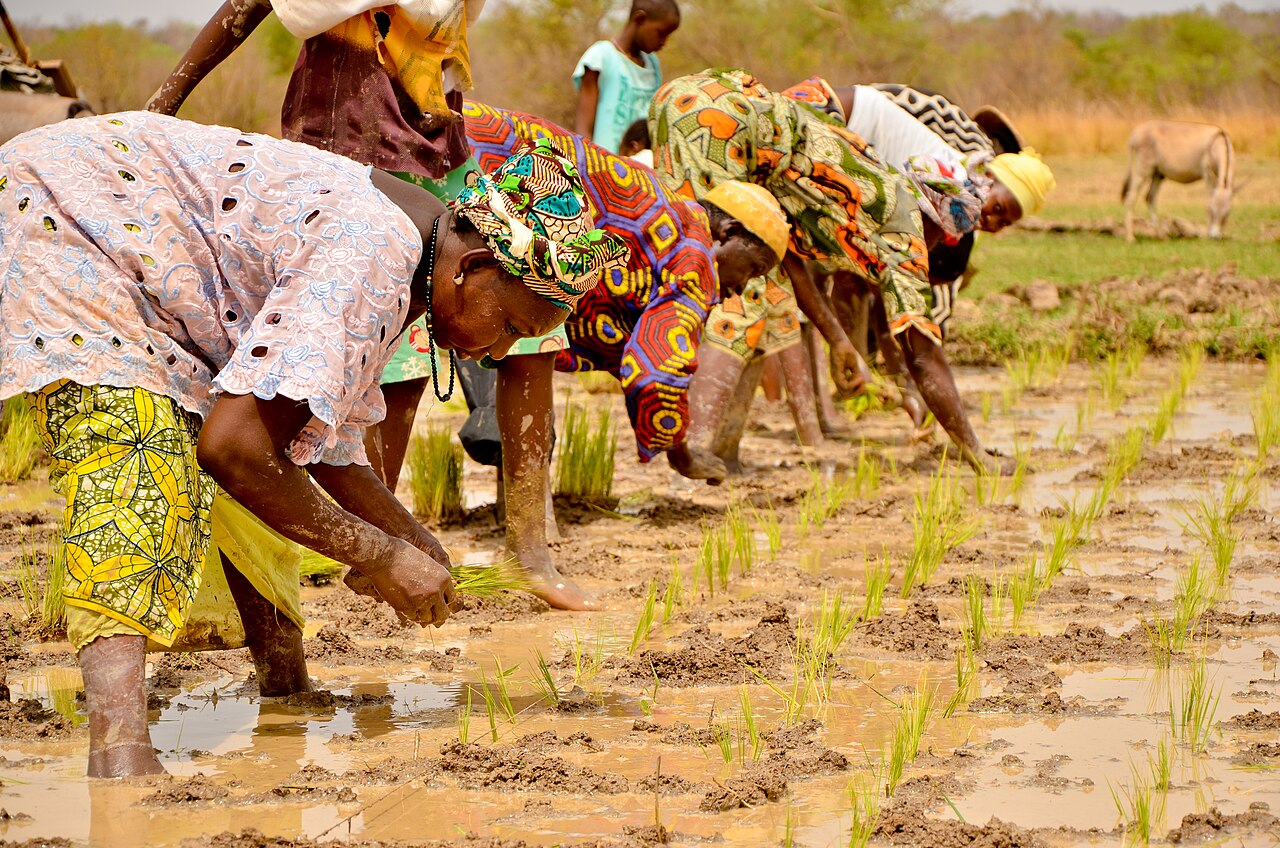
The REWARD programme carries an investment envelope of about US$850 million across 15 West African countries, aiming to close the region's rice production gap, cut import dependence and reach rice self-sufficiency by 2035.
ABUJA — West Africa has launched one of its most ambitious food security programmes. The Economic Community of West African States (ECOWAS), in partnership with the African Development Bank Group and the Africa Rice Center (AfricaRice), has officially launched the Regional Resilient Rice Value Chains Development Programme, known as REWARD-ECOWAS, together with the inauguration of its Regional Steering Committee. The programme agreement was signed on 10 March 2025, and the launch marks a major regional commitment to transforming the rice sector.
The numbers behind the programme are substantial. REWARD carries an overall investment envelope of approximately US$850 million across participating countries, including US$12 million for the ECOWAS-led regional policy and regulatory reform component, alongside a US$1.2 million ECOWAS in-kind contribution, US$8.5 million for AfricaRice-led regional technical support, and US$9.44 million for climate adaptation interventions. The programme spans 15 West African countries: Benin, Burkina Faso, Cape Verde, Côte d'Ivoire, Gambia, Ghana, Guinea, Guinea-Bissau, Liberia, Mali, Niger, Nigeria, Senegal, Sierra Leone and Togo.
The need is pressing. West Africa continues to face a substantial gap between the rice it produces and the rice it consumes, leaving countries exposed to international market disruptions, price volatility and rising food import bills. The region currently produces only about 60 per cent of the rice it eats. Programme coordinator Dr Boladale Adebowale noted that the region would need to produce approximately 35 million metric tonnes of rice to meet projected demand and achieve its 2035 self-sufficiency ambition.
REWARD is structured around four components: sustainable and climate-resilient rice production systems; promotion of competitive local rice processing and marketing; policy and regulatory reforms to enhance regional harmonisation and competitiveness; and programme coordination and management. ECOWAS leads the policy component and chairs the steering and technical coordination committees, while AfricaRice provides regional technical support on production, processing and value chains, with a particular focus on innovation.
Speaking at the launch, ECOWAS Commissioner for Economic Affairs and Agriculture Dehpue Yenpea Zuo underscored that food sovereignty cannot be achieved through declarations alone, but requires decisive action to strengthen local production, improve productivity and build competitive regional value chains. He disclosed that the wider regional rice investment portfolio is estimated at approximately US$25 billion, with US$1.5 billion in firm investment commitments mobilised at the West Africa Rice Investment Roundtable in Accra, Ghana — a step towards turning the ECOWAS Rice Agenda and the Regional Rice Roadmap 2025–2035 into tangible investment.
For the African Development Bank, whose acting vice president Dr Abdul Kamara addressed the launch, West Africa must move beyond producing rice primarily for domestic consumption and develop the capacity to process, market and trade competitive rice across regional and international markets. The wider REWARD investment is expected to benefit more than one million farmers, with particular attention to women and young people. AfricaRice, represented on behalf of its director-general, pointed to the constraints the programme must overcome: poor access to quality seed, climate variability, inadequate mechanisation, post-harvest losses and limited private-sector investment.
The steering committee's inaugural technical session reviewed implementation priorities and stressed a bottom-up approach, so that national priorities are reflected in regional interventions. ECOWAS Commission Vice President Anthony Ogunjimi closed the event by urging stakeholders across the rice sector to take ownership of the programme. The ambition, all sides agreed, is clear: to move West Africa from rice import dependence towards a productive, resilient and competitive regional rice economy — and to make self-sufficiency by 2035 a delivered result rather than a declared goal.
Source: Juba Global News Network.