Ethiopia Launches Polio Campaign Aiming to Reach More Than 11.3 Million Children
Ethiopia has launched a polio vaccination campaign aiming to reach more than 11.3 million children, with the first round running from 21 to 24 November in five regions and a second round scheduled for 18 to 21 December.
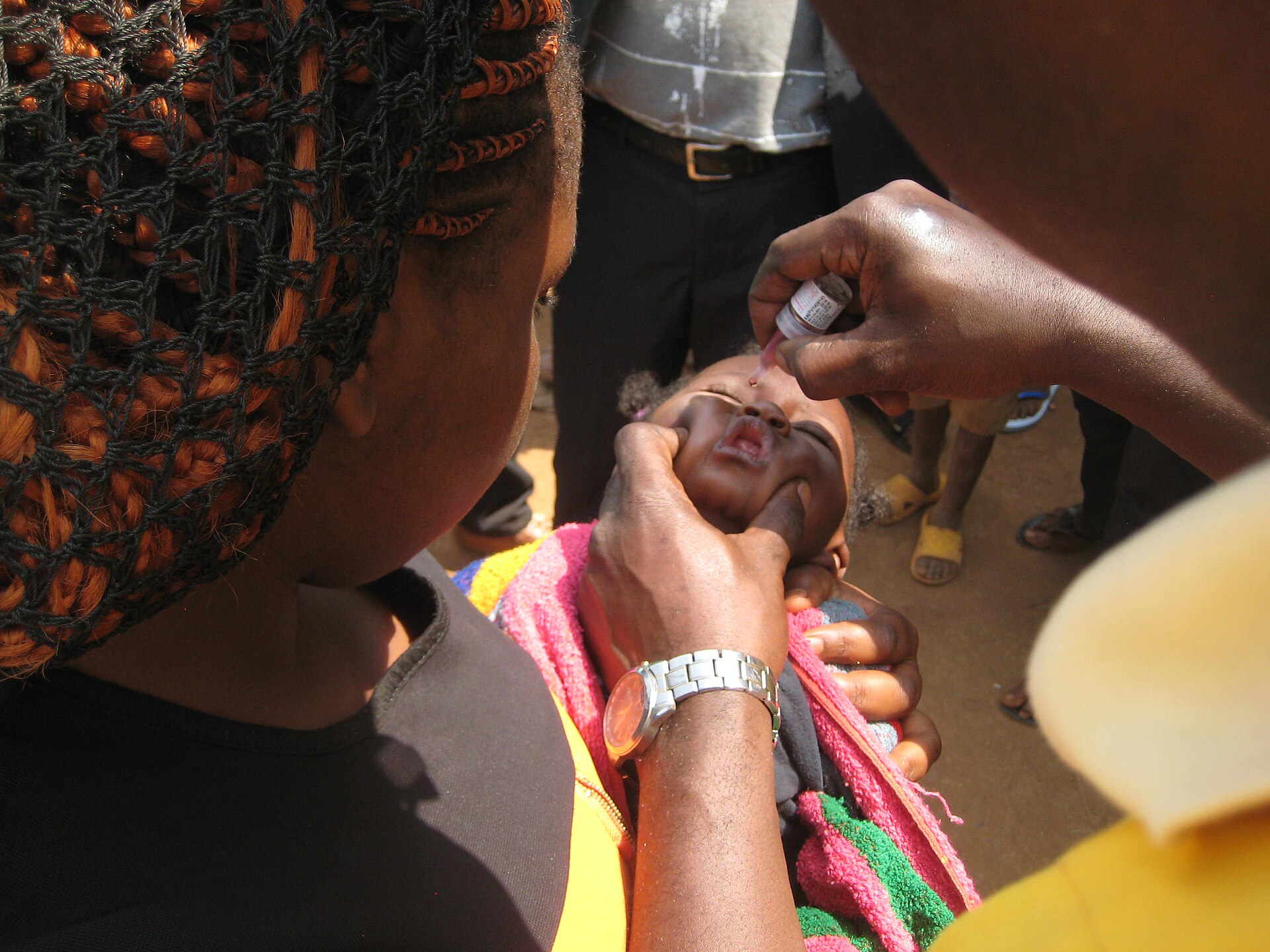
A young child receives a dose of oral polio vaccine, the method used in mass campaigns such as Ethiopia's drive to reach 11.3 million children. (Wikimedia Commons, CC BY 2.0)
Ethiopia has launched a polio vaccination campaign aiming to reach more than 11.3 million children, with the first round running from 21 to 24 November in five regions and a second round scheduled for 18 to 21 December.
ADDIS ABABA — Ethiopia has launched a polio campaign aiming to reach more than 11.3 million children, in one of the largest immunisation efforts the country undertakes. The campaign is being delivered in two rounds: the first runs from 21 to 24 November in five regions, and the second is scheduled for 18 to 21 December. Between them, the two rounds are designed to ensure that children receive the protection the vaccine provides and that few, if any, are missed.
Polio is a disease that once paralysed children in every country and now survives only in a small number of places, which is precisely why campaigns on this scale still matter. The virus can spread silently, including across borders, and it finds its opportunity wherever groups of children remain unvaccinated. A campaign that sets out to reach more than 11.3 million children is therefore both a national health operation and part of the global effort to keep the disease from regaining ground it has lost over decades of vaccination.
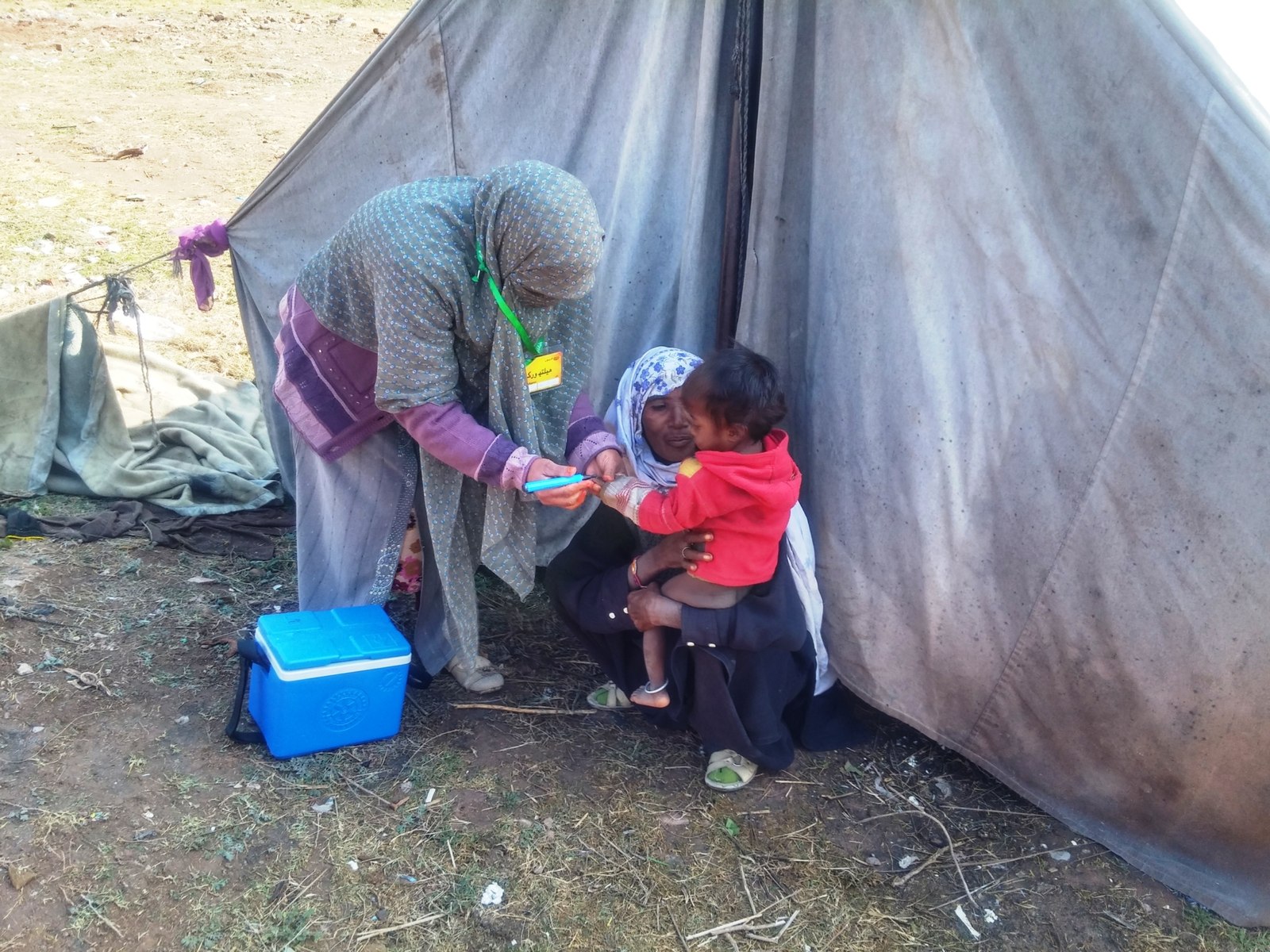
The structure of the Ethiopian campaign — two rounds, about a month apart — follows the logic of polio immunisation drives everywhere. A first round sweeps through the target regions over four days, from 21 to 24 November, vaccinating children in towns, villages and harder-to-reach settlements. A second round, from 18 to 21 December, returns to the same task: boosting the protection of children reached the first time and finding those whom the first round missed, whether because they were travelling, newborn, or living in places vaccinators could not reach in November.
Delivering vaccine to more than eleven million children in five regions within four days is a formidable logistical undertaking. It requires vaccine supplies to be kept potent on their journey to thousands of delivery points, teams to be organised and deployed across cities and countryside alike, and parents and caregivers to bring their children forward. In a country of Ethiopia's size and diversity of terrain, the campaign depends on local health workers who know their communities and can find the households where young children live.
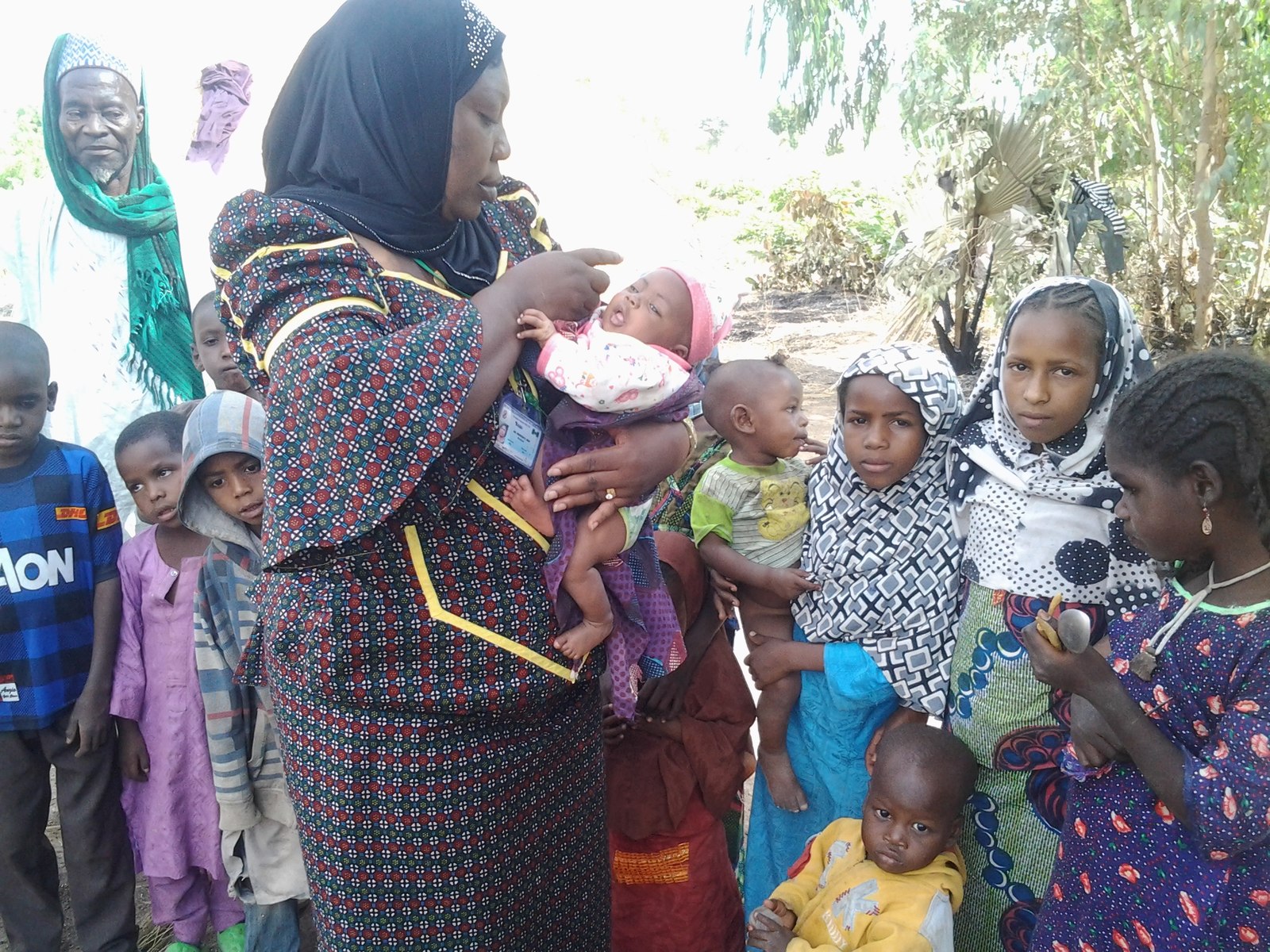
For parents, the campaign's message is simple: the vaccine is being brought within reach, twice, and children should receive it. Polio has no cure, and its effects — paralysis that can last a lifetime — are prevented by vaccination. Health campaigns of this kind succeed on trust as much as on logistics: families who understand why vaccinators have come, and who have seen neighbours' children vaccinated safely round after round, are the foundation on which coverage above eleven million children is built.
When the second round closes on 21 December, Ethiopia will be able to count how close it came to its target of more than 11.3 million children. The figure itself tells the story of the ambition: this is not a routine top-up but a mass campaign across five regions, mounted in two waves a month apart. In the long global effort against polio, such campaigns are how the disease is held back — child by child, round by round, in countries determined that no child within their borders is left unprotected.
(Source: Today News Africa)
Source: Juba Global News Network, reporting Today News Africa coverage.