Ebola Workers Trapped by Fighting in DR Congo as Violence Against Women and Girls Deepens
WHO staff and Ebola responders have been sheltering in a maternity ward in Ituri since Saturday as fighting blocks their evacuation, while new UNICEF findings show the Bundibugyo Ebola outbreak is driving a sharp rise in violence against...
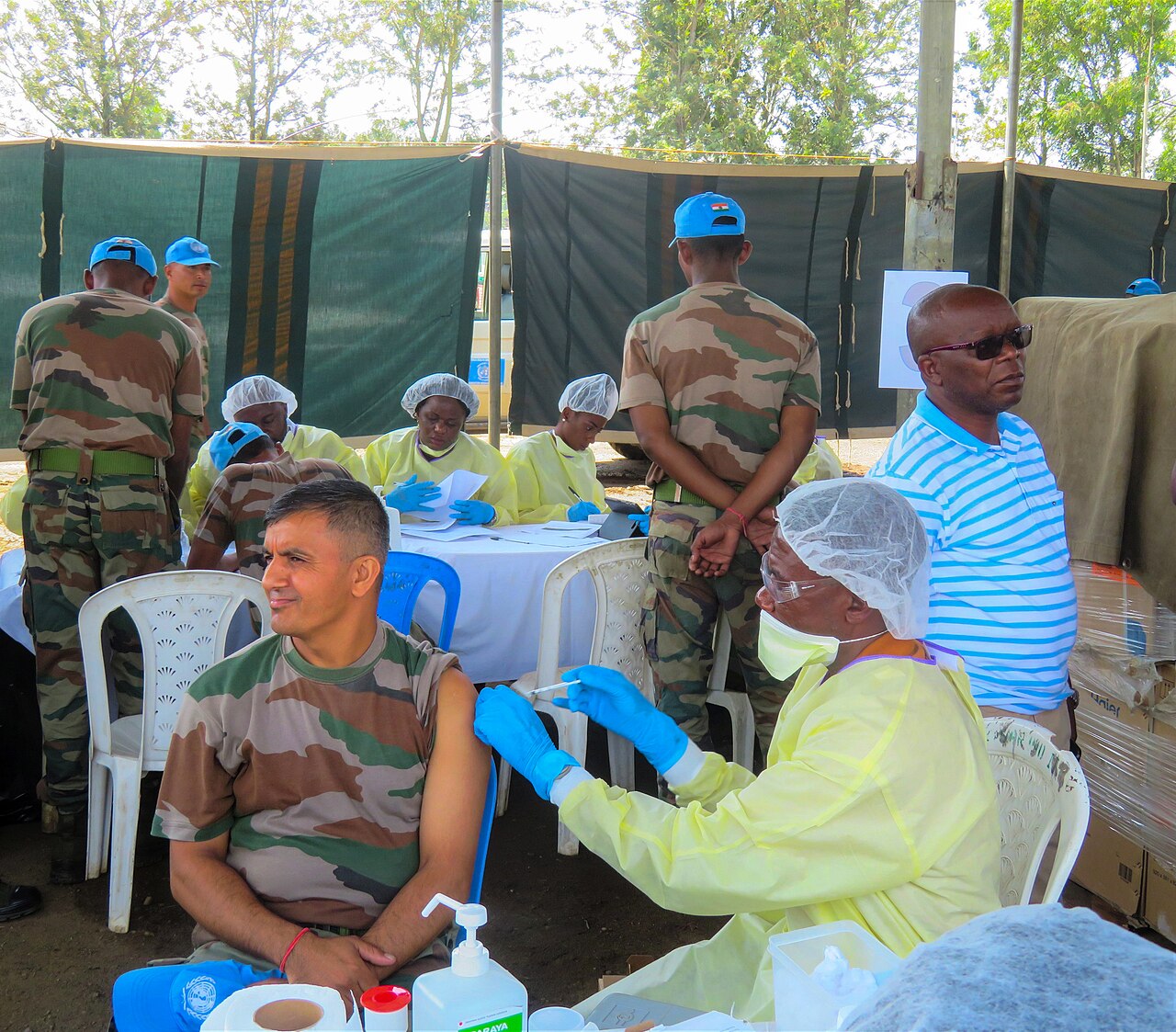
WHO staff and Ebola responders have been sheltering in a maternity ward in Ituri since Saturday as fighting blocks their evacuation, while new UNICEF findings show the Bundibugyo Ebola outbreak is driving a sharp rise in violence against women and girls.
ITURI, DR CONGO — Health workers responding to the Ebola outbreak in the eastern Democratic Republic of the Congo have been trapped inside a hospital in Ituri province, sheltering in a maternity ward since fighting began nearby on Saturday, the World Health Organization said on Tuesday. The hospital stands close to the place where the outbreak first emerged in May, and the fighting has disrupted both the hospital itself and the wider Ebola response in the province.
WHO spokesperson Christian Lindmeier told journalists in Geneva that conflict, and torrential rain on Monday, meant the workers could not be moved safely, and that the agency hoped to move them as soon as possible, ideally during Tuesday. The WHO Director-General has called for the team's immediate and safe evacuation and for the protection of hospital infrastructure, staff and patients, stressing that hospitals must be maintained as safe spaces during conflict. Attacks in eastern DR Congo have increased since late October, adding to the danger.
The workers are part of the effort to contain Ebola disease caused by the rare Bundibugyo virus species. According to the latest WHO figures, the outbreak has grown to more than 11,613 confirmed cases and 5,678 deaths, with Ituri and North Kivu, in the volatile east of the country, remaining the most affected provinces. Hundreds of new cases are still being reported every week, and the outbreak continues to be treated as a global health emergency, with insecurity described as one of the greatest obstacles to the response.
Alongside the danger to health workers, the outbreak is placing immense pressure on families, and women and girls are bearing much of the burden. On Tuesday, the UN Children's Fund released initial findings from what is believed to be the first real-time surveillance of violence against women and adolescent girls during an active disease outbreak. The study, carried out with the Congolese women-led organisation SOFEPADI and Washington University in the United States, has so far gathered the experiences of 1,062 women and adolescent girls across five health zones in Ituri, the epicentre of the outbreak.
The findings are alarming. Nearly six in ten women and girls said violence and abuse had started or increased in their lives since the Ebola outbreak began. More than a third described someone taking more control over their lives, followed by emotional and psychological abuse, while others reported physical and sexual violence. Seven in ten respondents live in households that have been through isolation, quarantine or contact tracing; of those, nearly two in three reported new or increased violence, which nine in ten linked to the stress and fear caused by the outbreak.
SOFEPADI's national coordinator, Sandrine Lusamba, said women and girls in Ituri were already living with very high levels of violence after years of conflict and displacement, and that the health crisis now brings new threats: violence, stigma, fear and difficulty reaching essential services. Her organisation runs eight safe spaces across the province where women and girls can speak confidentially and receive psychosocial support and referrals to medical, legal and other services. Visits to those spaces have risen threefold this year, from 1,183 between January and March to 3,584 between July and September.
UNICEF officials stress that isolation, quarantine and contact tracing remain absolutely critical to halting Ebola, but that the findings show families are under enormous pressure and women and girls are paying much of the cost. They argue that services for women and girls must be kept open, accessible and funded, and built into the Ebola response itself rather than treated as an afterthought. For the trapped health workers in Ituri, meanwhile, the first priority is simpler and more urgent: a safe way out, so that the work of saving lives can continue.
Source: Juba Global News Network.