NEC Chair Urges Parties and Community Leaders to Unite Behind a Peaceful Electoral Process
At the inter-party dialogue in Juba, Gabriel Bol Deng called on political parties and community leaders to work together, engage in constructive dialogue and help ensure citizens can vote freely and safely on 11 February 2027.
At the inter-party dialogue in Juba, Gabriel Bol Deng called on political parties and community leaders to work together, engage in constructive dialogue and help ensure citizens can vote freely and safely on 11 February 2027.
JUBA — The Chairperson of the National Elections Commission (NEC), Gabriel Bol Deng, has urged political parties and community leaders to work together, engage in constructive dialogue and support a peaceful electoral process as South Sudan prepares for its first general elections since independence. The appeal was made during an inter-party dialogue in Juba on Tuesday that brought together representatives of different political parties to discuss the road to the polls.
According to the Commission's press unit, Bol Deng told the meeting that political and community leaders share responsibility for creating the conditions in which citizens can exercise their right to vote and choose their leaders. The dialogue formed part of the Commission's continuing engagement with political stakeholders as the electoral calendar accelerates, with voter registration closing on 28 November and the nomination period opening the following day.
The NEC Chairperson explained that the Commission had listened to citizens, the media and other stakeholders and reviewed the electoral law before revising the electoral timetable. He said the adjustment was made to give citizens more time to register and to learn about their democratic rights before choosing their leaders, and he pointed to the registration of more than one million voters so far as evidence that the process is moving.
Much of the discussion focused on concerns the parties themselves have placed before the Commission. Bol Deng recalled an earlier meeting held at short notice at which parties raised three issues: security for candidates, party leaders, their families and supporters; funding for party activities; and restrictions on movement. Those concerns go to the heart of whether a campaign can be conducted openly across the country, particularly in areas where insecurity has also complicated the delivery of election materials.
Bol Deng said he had submitted a report to the President on the parties' concerns and had discussed them with the Minister of Interior and the relevant security agencies, adding that the authorities were looking into the issues. He stressed that political parties and candidates should be able to travel safely and engage with voters throughout the electoral period, and he reaffirmed the Commission's readiness to continue engaging with parties and its duty to apply the electoral law equally to all participants.
The call for unity carries weight because of what is at stake. South Sudan's elections, now scheduled for 11 February 2027 after several postponements, are intended to complete the country's long transition and give citizens their first general-election choice of national leaders since 2011. A peaceful process will depend not only on the Commission's logistics but also on parties campaigning without intimidation, accepting lawful procedures for disputes, and encouraging their supporters to resolve differences through dialogue rather than confrontation.
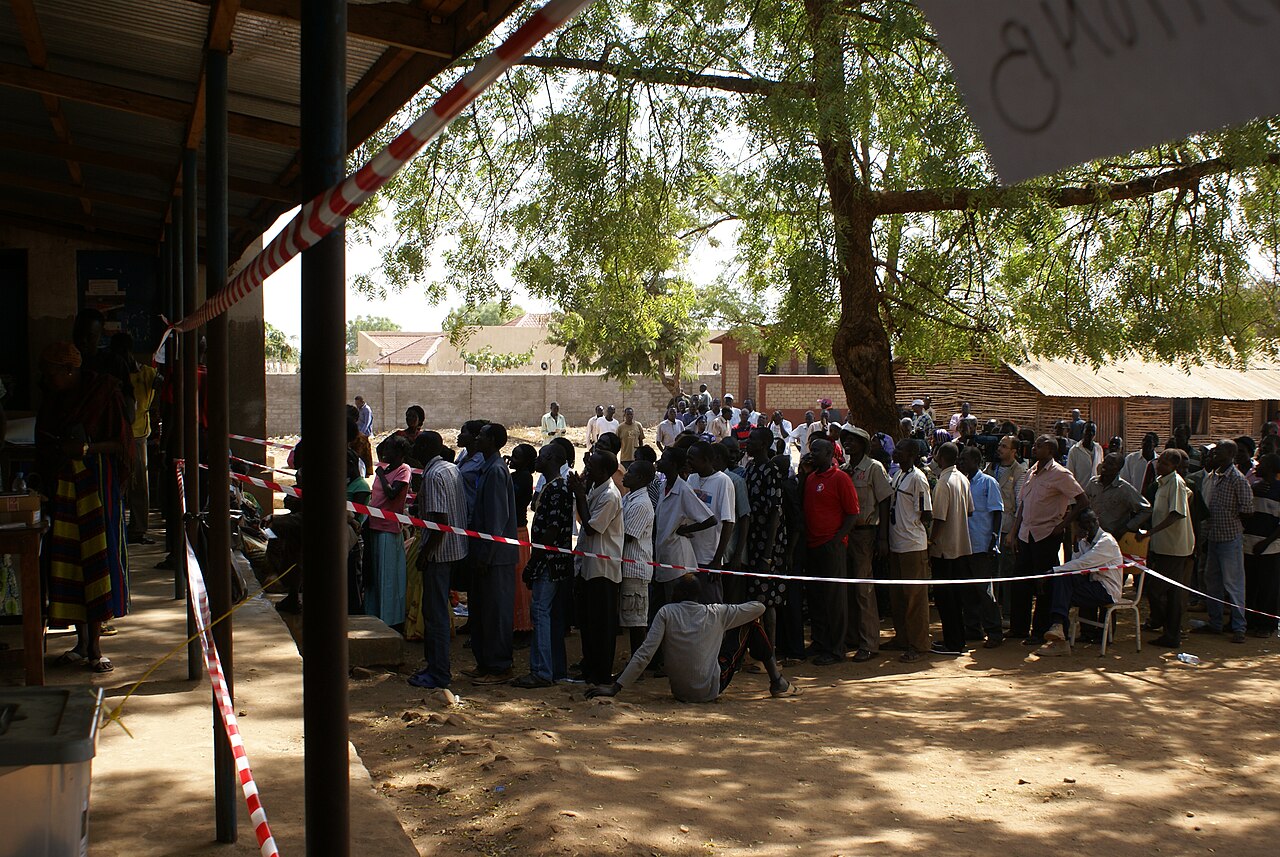
Community leaders, too, have a practical role. Registration turnout has been uneven, with some residents unaware of the exercise, and trusted local voices can carry information about centres, dates and procedures into neighbourhoods and villages that official announcements may not reach. The same voices can help calm tensions in the charged weeks of nominations and campaigning that lie ahead.
For the Commission, the dialogue was both a briefing and a pledge: the electoral law will be applied equally, the parties' security and funding concerns have been carried to the highest level, and engagement will continue. Whether that pledge translates into a calm and credible campaign now rests with all sides — the Commission, the parties, the security agencies and community leaders alike. The message from Juba on Tuesday was that the election belongs to the people, and that keeping it peaceful is a shared national task.
Source: Juba Global News Network.