Drone Attacks Kill Civilians Across Blue Nile as Damazin and Roseires Are Hit
Drone strikes on the Blue Nile state capital Ed Damazin and the town of El Roseires on Tuesday evening killed civilians in their homes and targeted the Roseires dam and power facilities, in one of the deadliest days yet for Sudan's...
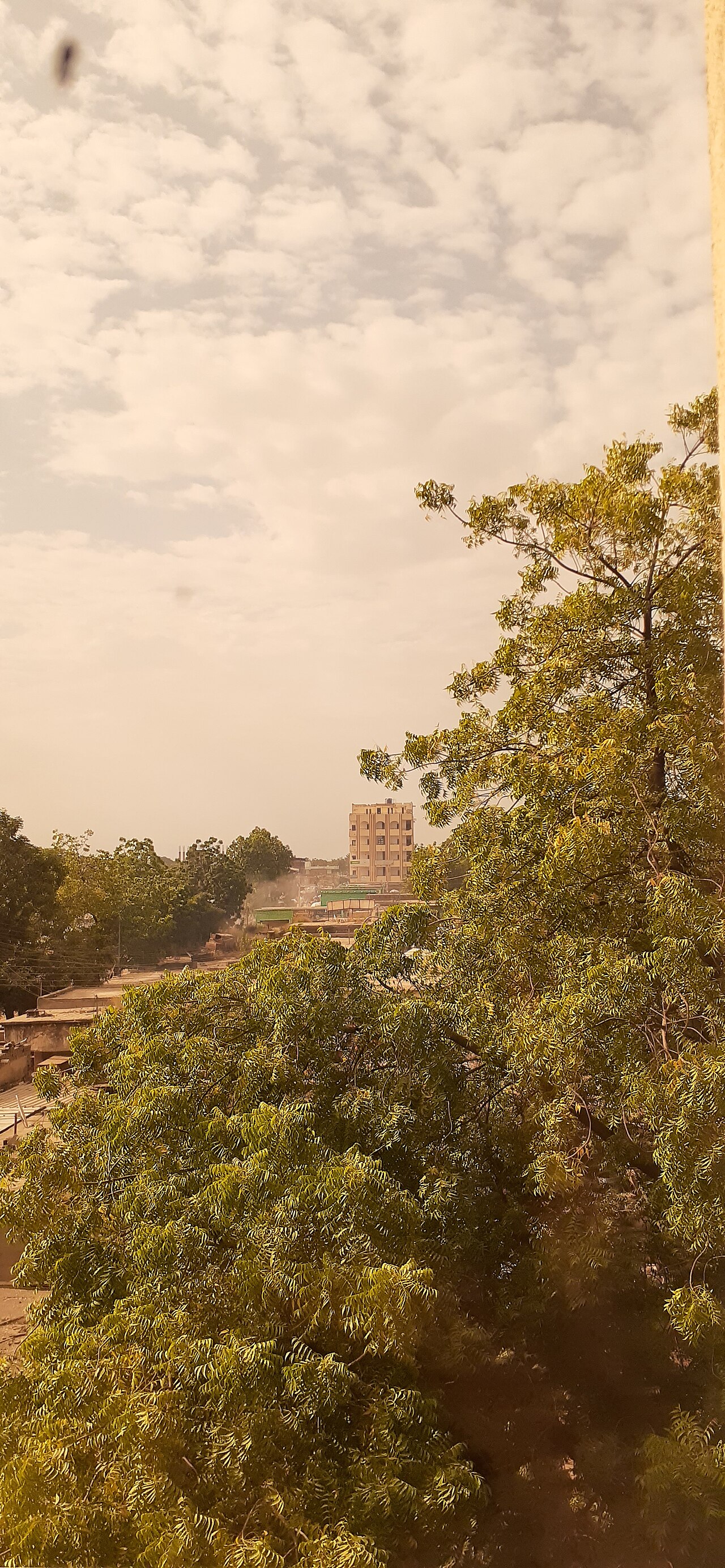
Drone strikes on the Blue Nile state capital Ed Damazin and the town of El Roseires on Tuesday evening killed civilians in their homes and targeted the Roseires dam and power facilities, in one of the deadliest days yet for Sudan's south-east.
ED DAMAZIN — Drone attacks struck Ed Damazin, the capital of Sudan's Blue Nile state, and the nearby town of El Roseires on Tuesday evening, killing civilians in residential neighbourhoods and raising fears for the region's electricity supply. Early reporting put the death toll at at least 15 people, and Sudanese human rights monitors later gave a higher figure, saying 19 civilians had been killed in Damazin alone, among them six women, with others wounded in both cities.
In Damazin, the drones hit three residential neighbourhoods on Tuesday night. The dead and wounded there were members of a small number of families who had been sheltering inside their homes, according to the Sudanese human rights group Emergency Lawyers, which reported the attacks on Wednesday. Residents of the city confirmed that drone strikes had taken place, describing a night of explosions in a city that many families had regarded as a place of relative safety in the war.
El Roseires was attacked earlier the same day. There, the drones were reported to have targeted the Roseires dam and the town's power facilities, wounding five civilians. Emergency Lawyers warned that damage to the dam and power installations could disrupt electricity supplies across Blue Nile state and harm Sudan's wider national grid, deepening the hardship of communities that already face severe shortages of power, water and fuel.
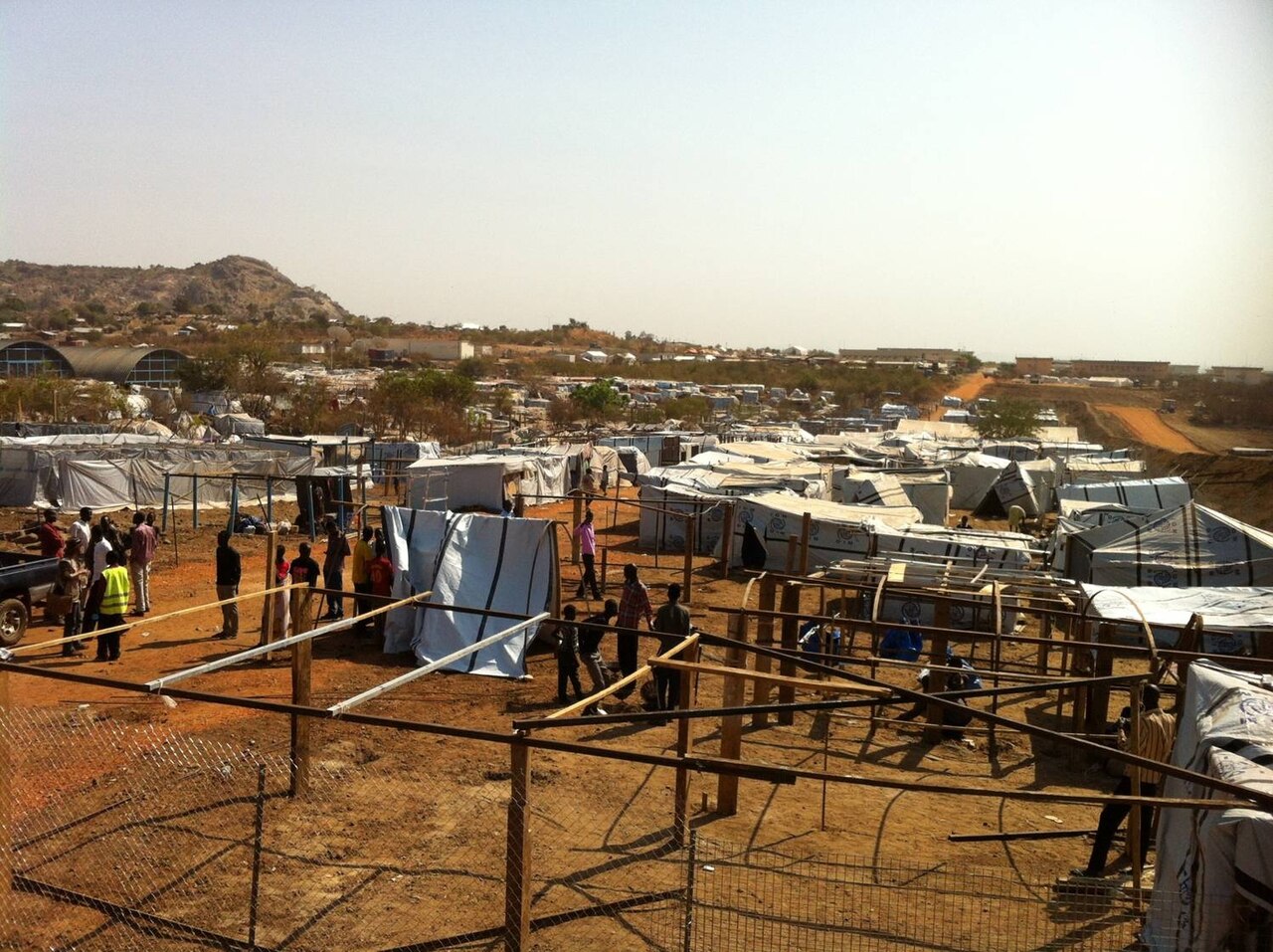
Both Damazin and Roseires have taken in large numbers of people fleeing fighting elsewhere in the south-eastern state, including the areas of Bau and Geissan. That means many of those endangered by Tuesday's strikes had already been displaced once by the war and had sought refuge in the two cities precisely because they hoped to be beyond the reach of the fighting. For those families, the attacks shattered one of the last refuges available to them in the region.
Emergency Lawyers blamed the paramilitary Rapid Support Forces (RSF) for the strikes. The RSF did not immediately respond to requests for comment, and the claims about responsibility for the attacks could not be independently confirmed in the immediate aftermath. What is not in dispute is the pattern: both sides in Sudan's war have sharply increased their use of drones in recent months, and Blue Nile, which borders South Sudan and Ethiopia, has become an active front in that expanding drone war.
The fighting in Blue Nile is tied to the wider contest for Sudan's south-east. The RSF said in August that it had captured Geissan, part of a front along the Ethiopian border, in its war with Sudan's army, a war that began in April 2023 and has since grown into one of the world's largest humanitarian crises. Tuesday's strikes suggest that front is moving closer to the state capital and to the strategic infrastructure around the Roseires dam.
The strikes land on a country already enduring the world's largest displacement crisis. More than three and a half years after the war between Sudan's army and the RSF erupted in April 2023, millions of Sudanese have been driven from their homes, famine has taken hold in parts of the country, and towns like Damazin and Roseires have become places of refuge for people fleeing violence elsewhere. When drones reach even those refuges, the space left for civilians to live in safety shrinks further — a reality that aid agencies say is being repeated across Sudan, from Darfur and Kordofan to Khartoum itself.
For the people of Damazin and Roseires, the immediate needs are the most basic: care for the wounded, shelter for families whose homes were hit, and power and water for two cities now braced for further attacks. Humanitarian organisations have repeatedly warned that strikes on residential areas and on the facilities that keep cities alive place civilians in impossible danger. Tuesday evening in Blue Nile showed, once again, how quickly that danger can arrive from the sky.
Source: Juba Global News Network.