Six Months On, Congo's Ebola Outbreak Is Still Not Under Control, Africa CDC Warns
The Bundibugyo Ebola outbreak in the Democratic Republic of Congo has passed 11,600 confirmed cases and 5,678 deaths, with most new infections now emerging outside known contact lists.
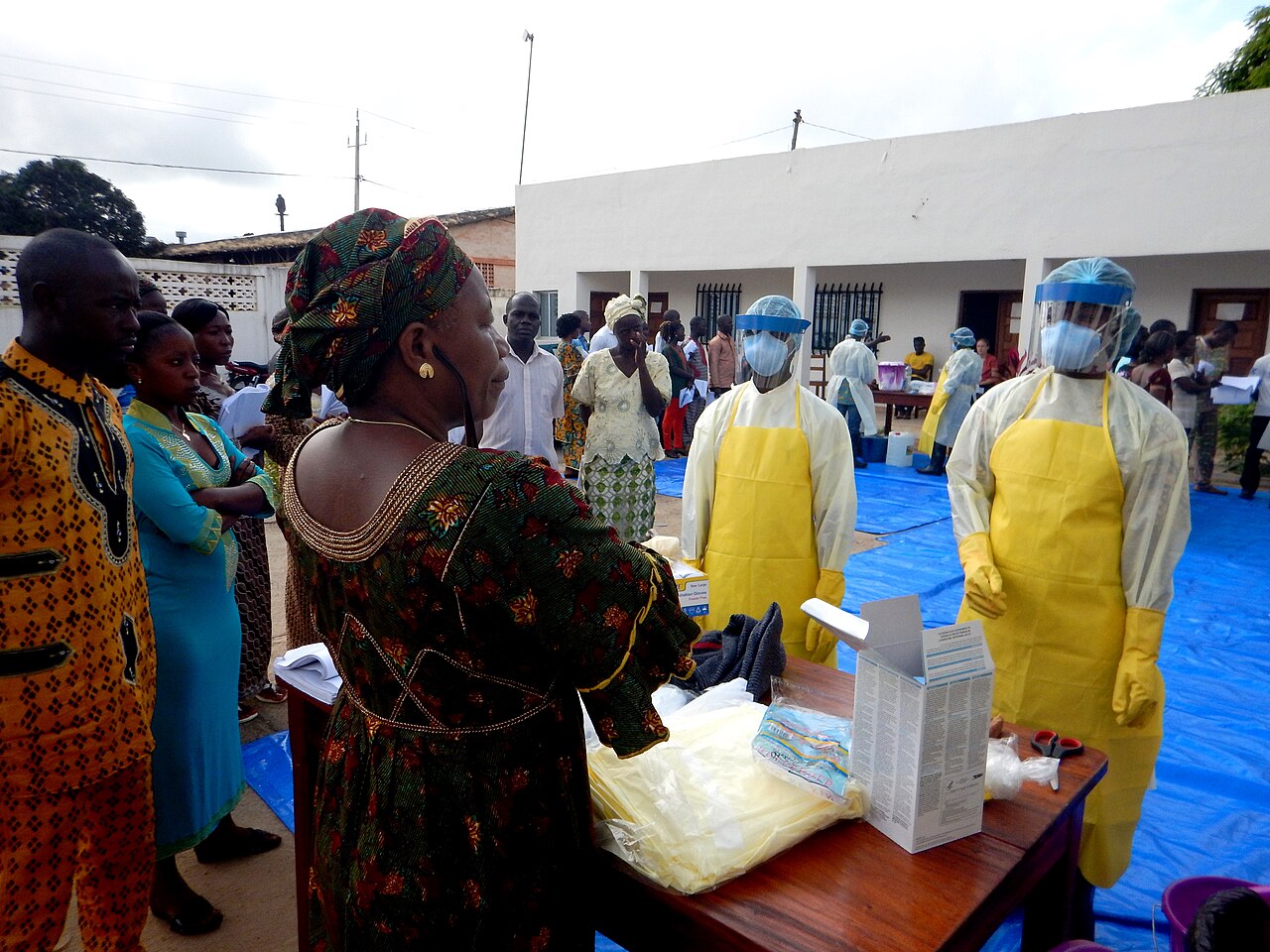
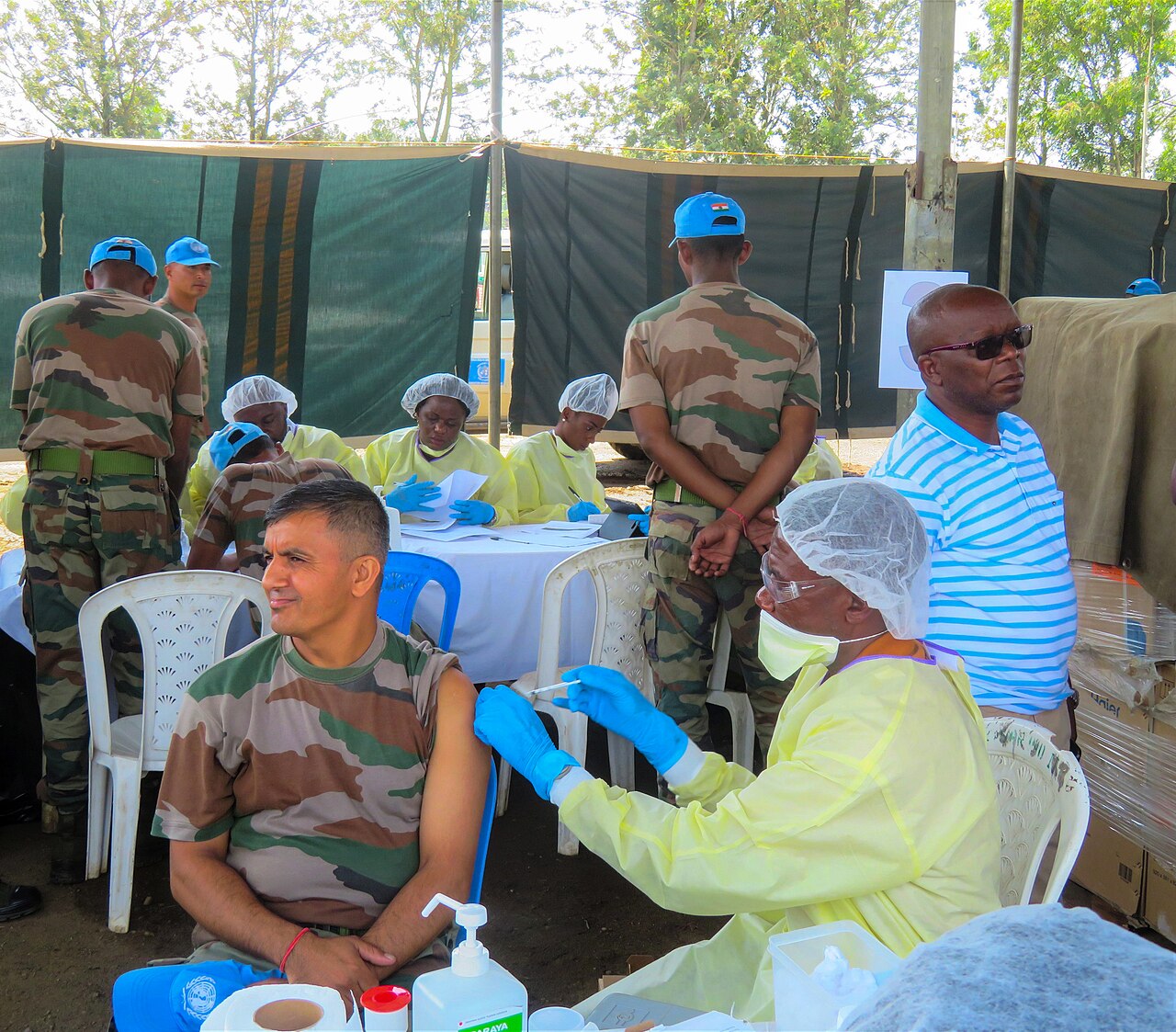
Frontline healthcare workers in protective equipment during an Ebola response in West Africa — responders in Congo face the same protective demands amid more than 80 recorded attacks on health care. (Photo: Wikimedia Commons — Guinea's frontline healthcare workers, public domain / CC)
The Bundibugyo Ebola outbreak in the Democratic Republic of Congo has passed 11,600 confirmed cases and 5,678 deaths, with most new infections now emerging outside known contact lists.
Six months after it was declared, the Bundibugyo Ebola outbreak in the Democratic Republic of Congo is still not under control, the Africa Centres for Disease Control and Prevention has warned. Congo's health ministry, in its Situation Report 187, reported 11,613 confirmed cases and 5,678 confirmed deaths as of 17 November. That makes this the second-largest and second-deadliest Ebola outbreak on record, behind only the West African epidemic of 2014 to 2016. Africa CDC director-general Jean Kaseya told Reuters that if the outbreak is not stopped now, it could become the worst Ebola outbreak the world has seen.
The scale of ongoing transmission is what most alarms responders. Africa CDC counts 400 to 500 new cases every week across 67 health zones in eight provinces. A health system can contain an Ebola outbreak when it knows where the virus is moving, through lists of contacts of confirmed patients who are monitored for symptoms. In this outbreak, that system is failing to keep pace: Kaseya said more than 80 per cent of new cases now emerge outside contact lists, which means responders are not catching chains of infection in time and are discovering many infections only when people become seriously ill or die.
The human pattern behind those figures is stark. Children make up more than a quarter of confirmed cases and a third of deaths, and seven in ten children under five with confirmed Ebola have died. Deaths in the community account for two-thirds of confirmed deaths, a sign that infections are still being found too late, after patients have spent their most infectious days at home among family members rather than in a treatment centre. Every community death also carries risk, because traditional burials involve close contact with the body, which is why safe burial teams are such a central part of the response.
Unlike the Zaire strain of Ebola, for which vaccines and treatments exist, there is no approved vaccine or treatment for the Bundibugyo strain, which kills about half of those it infects. The World Health Organization has approved trials of two new vaccines, with results due in early 2027. Until those trials report, responders must rely on the older tools of Ebola control: finding cases quickly, isolating patients, tracing contacts, protecting health workers and ensuring burials are safe and dignified. Those tools work, but only when they are funded, staffed and able to reach affected communities safely.
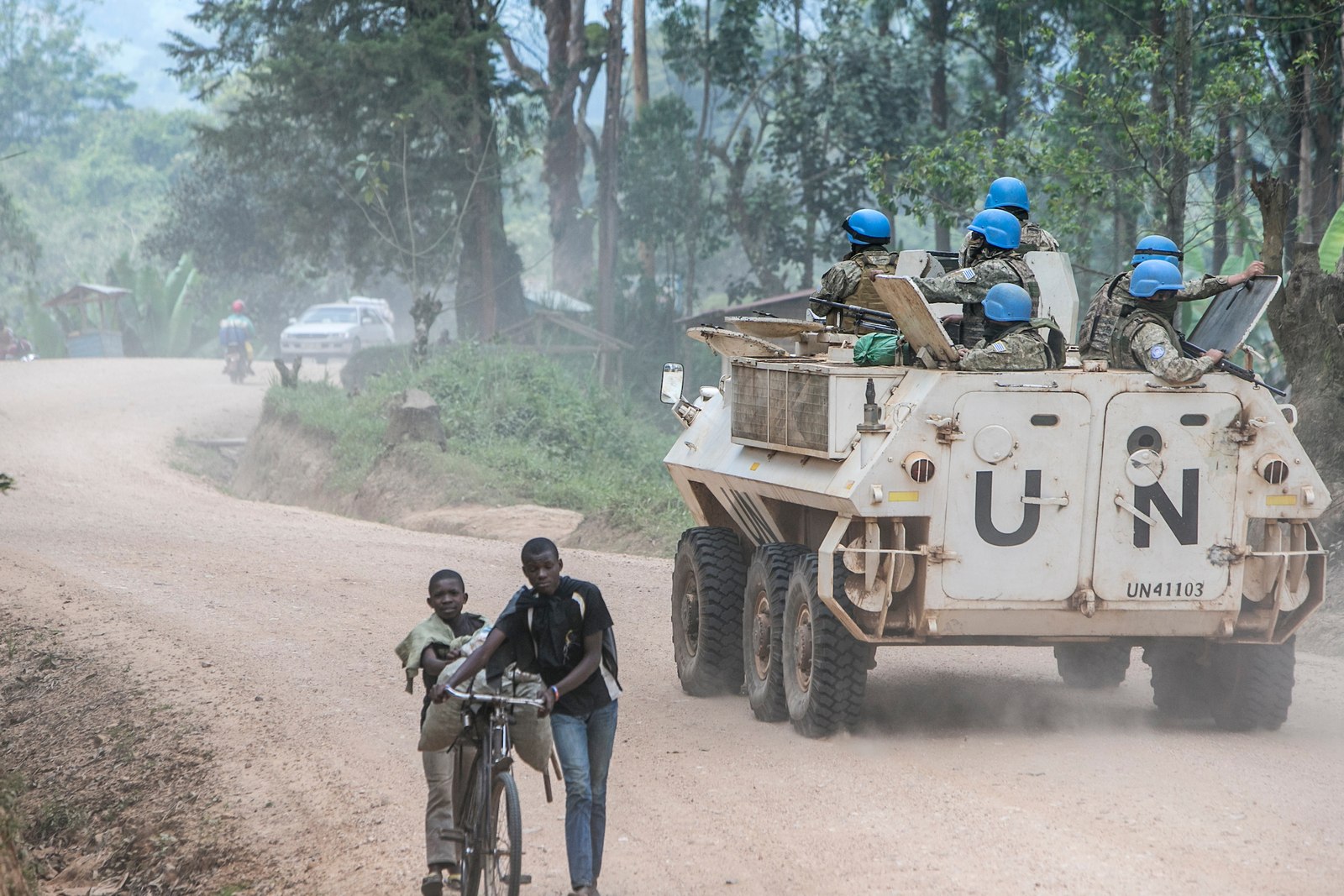
Money is the other gap. Only 1.3 billion dollars of the 2.9 billion dollars pledged for the response has been released, a shortfall Kaseya described as a collective failure. Violence compounds the funding problem: Africa CDC recorded more than 80 attacks on health care during the outbreak. Insecurity forces treatment centres to close or move, interrupts contact tracing, and deters families from bringing sick relatives forward. Responders working in the east of Congo must therefore fight a virus and an armed conflict at the same time, in provinces where health services were already fragile before the outbreak began.
There has been real progress in capacity, even as case numbers climb. Responders now have close to 2,000 treatment beds in 104 centres and more than two dozen laboratories, up from just two labs at the start. Around 3,000 people have recovered, and about a quarter of them have joined a survivor programme. Almost 90 per cent of registered deaths are now handled with a safe and dignified burial, Africa CDC said. Those figures show a response that has built substantial infrastructure under extreme pressure, even if transmission has not yet been brought down.
Imported cases have already reached Kenya and Nigeria, underlining why neighbouring countries are tightening screening and surveillance. Africa CDC says support will be needed through 2027. The immediate measures of success will be whether pledged money is actually released and whether contact tracing catches up with the virus, so that new cases come from known lists rather than appearing without warning in new communities. On current trends, the outbreak that began six months ago remains a continental emergency, not a local one. (Source: The Signal, reporting Africa CDC and DRC Ministry of Health SitRep 187)
Source: Juba Global News Network, reporting The Signal (Africa CDC joint statement; DRC Ministry of Health SitRep 187) coverage.