Drones Killed More Than 1,630 Civilians in Sudan This Year, UN Rights Office Finds
A new UN Human Rights Office report says drone strikes accounted for nearly three-quarters of 2,230 verified civilian deaths in Sudan between January and October, and warns the true toll is likely higher.
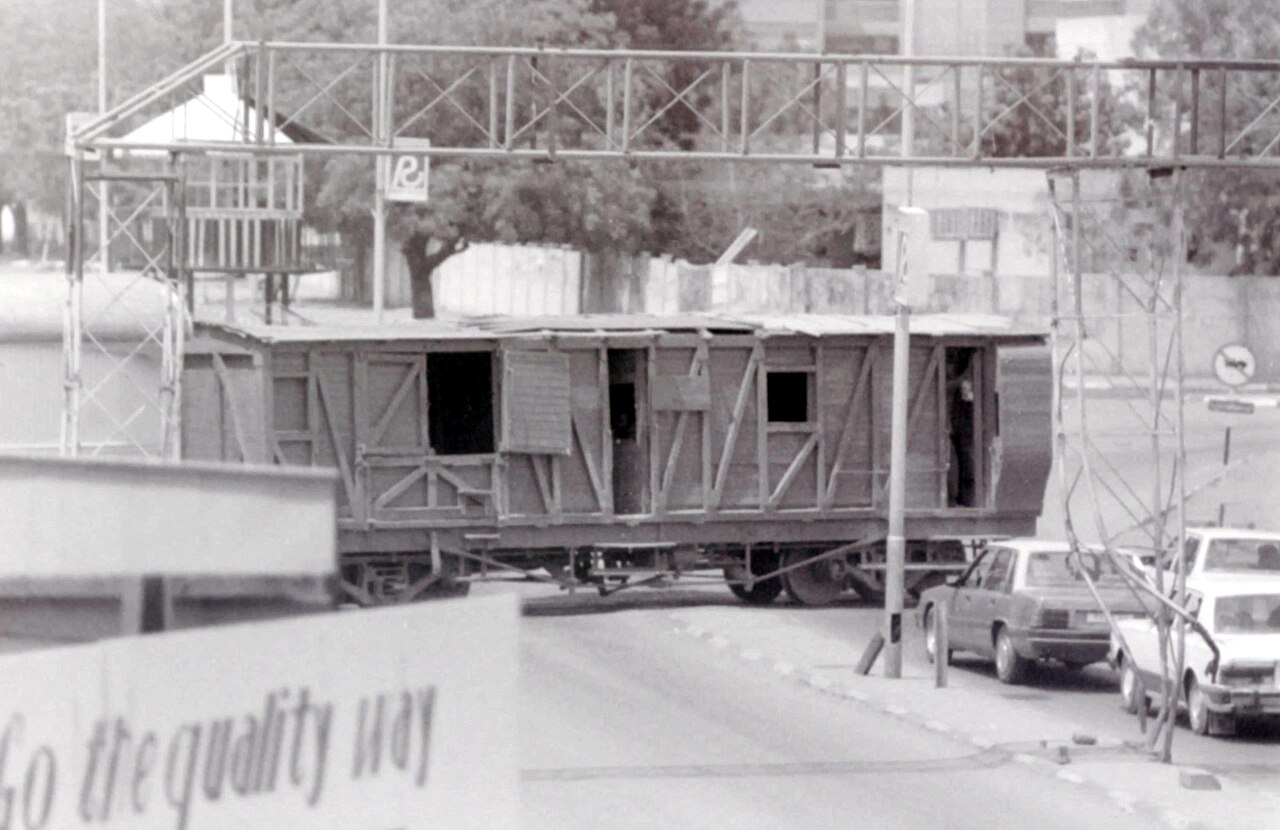
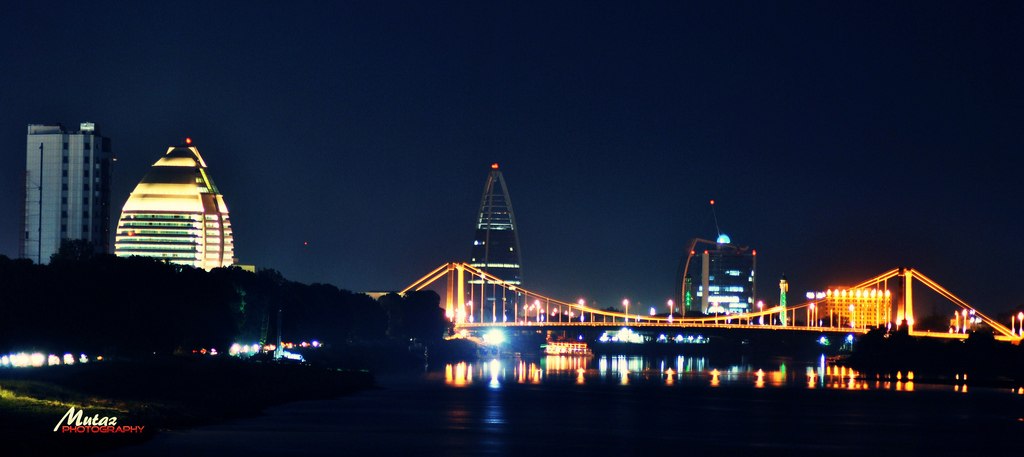
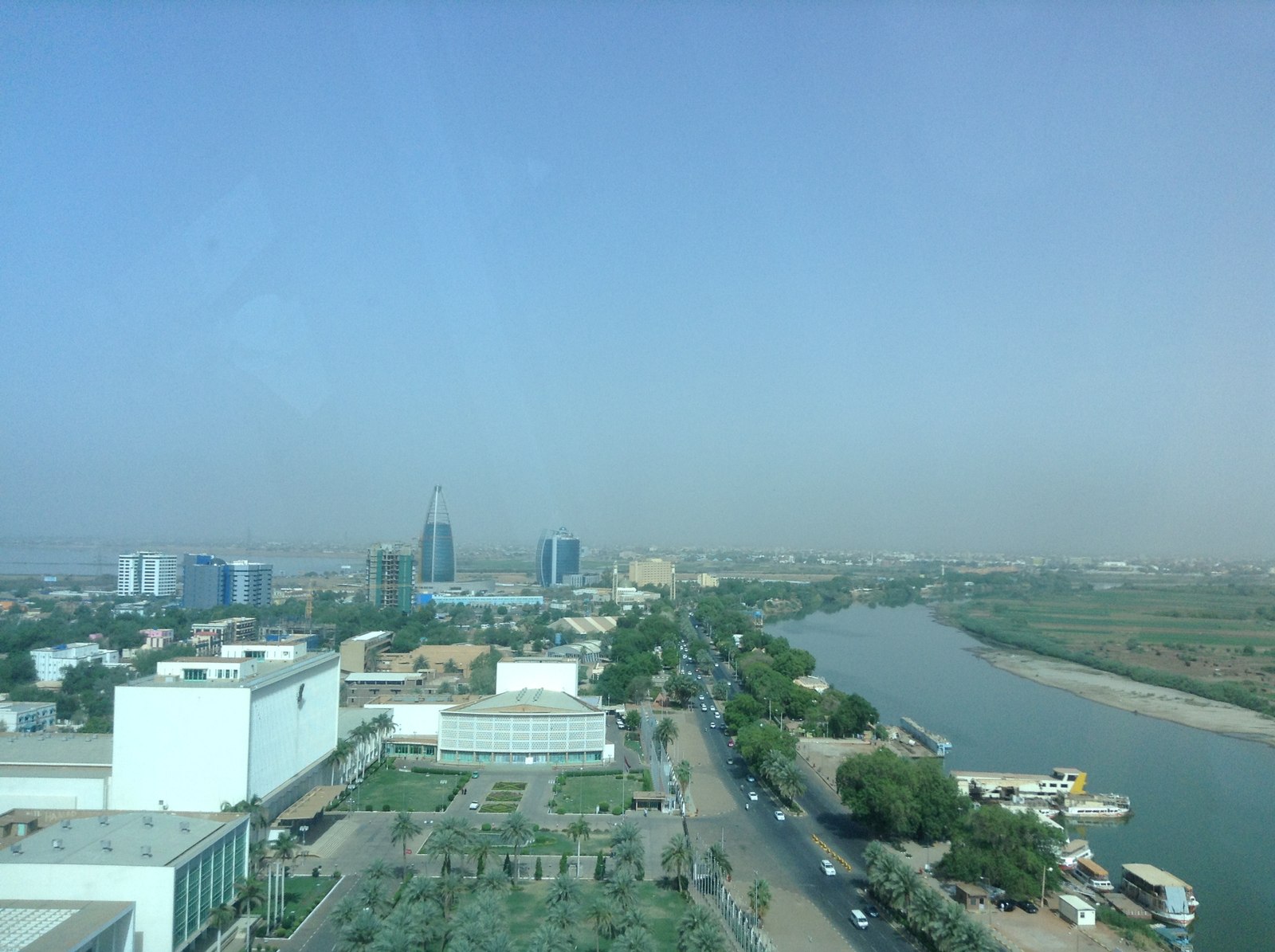
Khartoum, Sudan, pictured from Burri Alsharif — the capital has faced blackouts and fuel shortages as drone strikes hit power and fuel infrastructure across 11 states. (Photo: Wikimedia Commons — Burri Alsharif, Khartoum, Sudan (Panoramio), CC BY 3.0)
A new UN Human Rights Office report says drone strikes accounted for nearly three-quarters of 2,230 verified civilian deaths in Sudan between January and October, and warns the true toll is likely higher.
The war in Sudan has entered a phase in which the deadliest weapon is increasingly one that arrives from the sky, unseen until it strikes. A report published on 17 November by the UN Human Rights Office found that more than 1,630 civilians were killed by drones between January and the end of October 2026, out of more than 2,230 civilian deaths the office was able to confirm in the same period. In other words, drones accounted for nearly three-quarters of every verified civilian death in the conflict this year. The office stressed that these are only the deaths it could confirm, and that the actual civilian casualty figures are likely to be higher.
The report, which covers the first half of 2026 in detail, documents what it describes as a persistent disregard for the protection of civilians by all sides. At least 1,390 civilians were killed between January and June in fighting between the Sudanese Armed Forces, the Rapid Support Forces and allied armed movements, and more than 80 per cent of those casualties were the result of drone strikes. In the following four months, another 840 civilians were killed, of whom close to 520 died in drone strikes. Battle lines shifted and tactics changed during the year, the office said, but the disregard for civilian life did not.
Investigators described the increased use of drones as a defining feature of the conflict, because the weapons allow parties to extend their reach far beyond areas of territorial control and far beyond the front lines. That reach has brought markets, roads and hospitals within range. In the first half of 2026 alone, the UN Human Rights Office documented at least 39 drone strikes on markets, 20 on civilian vehicles, 17 on fuel tankers and depots, and 16 on health facilities. These were not, in the main, military installations, but the places where ordinary Sudanese buy food, travel, seek treatment and try to keep daily life going.
The pattern has continued into the autumn. In just over two weeks between 20 October and 4 November, 29 drone strikes attributed to the Rapid Support Forces hit electricity facilities and fuel stations across 11 states, triggering widespread power blackouts and further fuel shortages affecting millions of people far from the conflict frontlines. When power stations fail, hospitals lose light and refrigeration, water pumping stops, and dialysis and other time-critical treatment is interrupted. Fuel shortages, in turn, strand the trucks that move food and aid across a vast country where many communities depend on deliveries to eat.
UN High Commissioner for Human Rights Volker Türk condemned what he called the warring parties' brazen disregard for the laws of war, saying their actions may amount to war crimes. The report also documents trends that have been consistent throughout the conflict: the targeting of civilians and civilian objects, indiscriminate attacks, reprisals against civilians accused of collaboration with opposing forces, and the continued use of sexual violence as a weapon of war. Each category represents cases the office investigated and verified, rather than allegations it could not test.
For Sudanese families, the statistics translate into a daily calculation about whether a market is safe to visit, whether a road is safe to travel, and whether a hospital will have power when they arrive. Humanitarian workers say the drone campaign against energy and fuel infrastructure widens the harm well beyond the point of impact, because a single strike on a power facility can darken homes, clinics and water systems across a whole state. That is why rights investigators treat attacks on such infrastructure as attacks on civilian survival itself, not merely as damage to property.
What happens next will depend in part on whether international pressure can change the conduct of the parties. The UN office presented its figures as confirmed minimums and called attention to the gap between those minimums and the likely reality on the ground, where insecurity and displacement make verification slow and dangerous (Source: Reuters / United Nations Human Rights Office (OHCHR), via United Nations in Sudan)
Source: Juba Global News Network, reporting Reuters / United Nations Human Rights Office (OHCHR), via United Nations in Sudan coverage.