Bol Deng Briefs UNMISS on Registration: Peaceful Overall, Beaten by Roads and Connectivity
The National Elections Commission has briefed the United Nations Mission in South Sudan on the progress of nationwide voter registration, describing an exercise that has generally been peaceful but has struggled against poor roads,…
The National Elections Commission has briefed the United Nations Mission in South Sudan on the progress of nationwide voter registration, describing an exercise that has generally been peaceful but has struggled against poor roads,…
The National Elections Commission has briefed the United Nations Mission in South Sudan on the progress of nationwide voter registration, describing an exercise that has generally been peaceful but has struggled against poor roads, limited transport and weak internet connectivity in remote areas.
NEC Chairperson Gabriel Bol Deng briefed Francois Grignon, the Deputy Special Representative of the Secretary-General (Political) of UNMISS, at a meeting at the Commission's headquarters in Juba on Friday 27 November, the day before the original registration deadline.
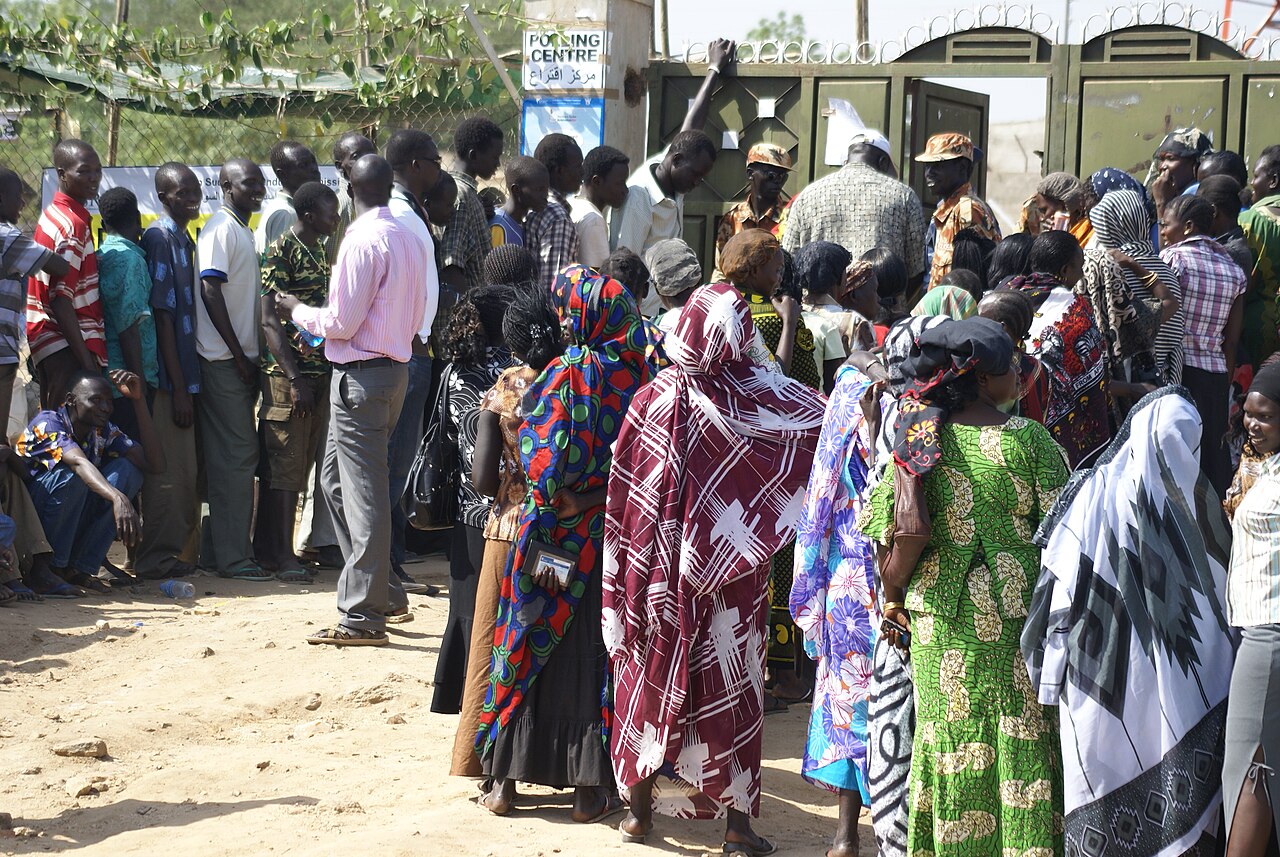
Bol told the UN mission that the registration exercise had generally been peaceful. His account of its difficulties was logistical rather than political: poor roads, limited transport and weak internet connectivity were identified as the major challenges, particularly in reaching remote communities.
The briefing came at the end of a registration period conducted at 3,161 centres across South Sudan's ten states and three administrative areas, in preparation for the country's first general elections since independence in 2011. The polls are scheduled for 11 February 2027, following repeated postponements, most recently from 22 December 2026 under the revised timetable the Commission issued on 14 November.
The challenges Bol described to UNMISS are the same ones that, a day later, formed the stated background to the Commission's decision to extend registration by seven days to 5 December. Inaccessible areas were named in the extension notice as one of the groups the extra week is meant to reach, alongside citizens in prisons and military barracks, and state committees were directed to keep centres open, maintain materials and report daily.
Briefings of this kind serve two purposes. For the Commission, they place its account of the exercise — peaceful overall, hampered by infrastructure — before the international mission that observes and supports the peace process most closely. For UNMISS, they provide a first-hand read on readiness at the moment the process moves from registration into the register display, nominations and, from late December, campaigning.
The infrastructure problems are not incidental to South Sudan's elections; they are structural features of holding a national vote in a country where many communities are reached by poor roads, where transport is scarce and where connectivity cannot be assumed. Registration materials, staff and later ballot papers all move on the same roads. A problem that delayed registration books in November is a warning about polling logistics in February, and the value of the warning depends on whether it is acted on in the ten weeks that remain.
The Commission has presented the extension week, with its daily reporting requirement, as its immediate response. The provisional register display that begins today will provide the next public evidence of how complete the exercise has been, centre by centre.
For UNMISS, whose head told the AU-IGAD-UN task force launch in Addis Ababa this week that elections are a milestone rather than an end to the peace process, the briefing also feeds a wider assessment: whether the electoral process is building the stability it is meant to crown. On the evidence the Chairperson presented on Friday, the honest summary is that the exercise worked, peacefully, in most places it reached — and that reaching everywhere remains the unfinished task the extension week now has to complete. The briefing was published by the Commission among its latest updates on Saturday, alongside its report of the registration centre opened at Juba Central Prison, as the institution closed out the most consequential week of the electoral calendar so far.