DR Congo Ebola Cases Pass 12,000 With 5,904 Deaths as WHO Issues Updated Response Recommendations
The Bundibugyo Ebola epidemic is now the second-largest on record, and the World Health Organization is calling for better security for responders and faster vaccine and treatment trials.
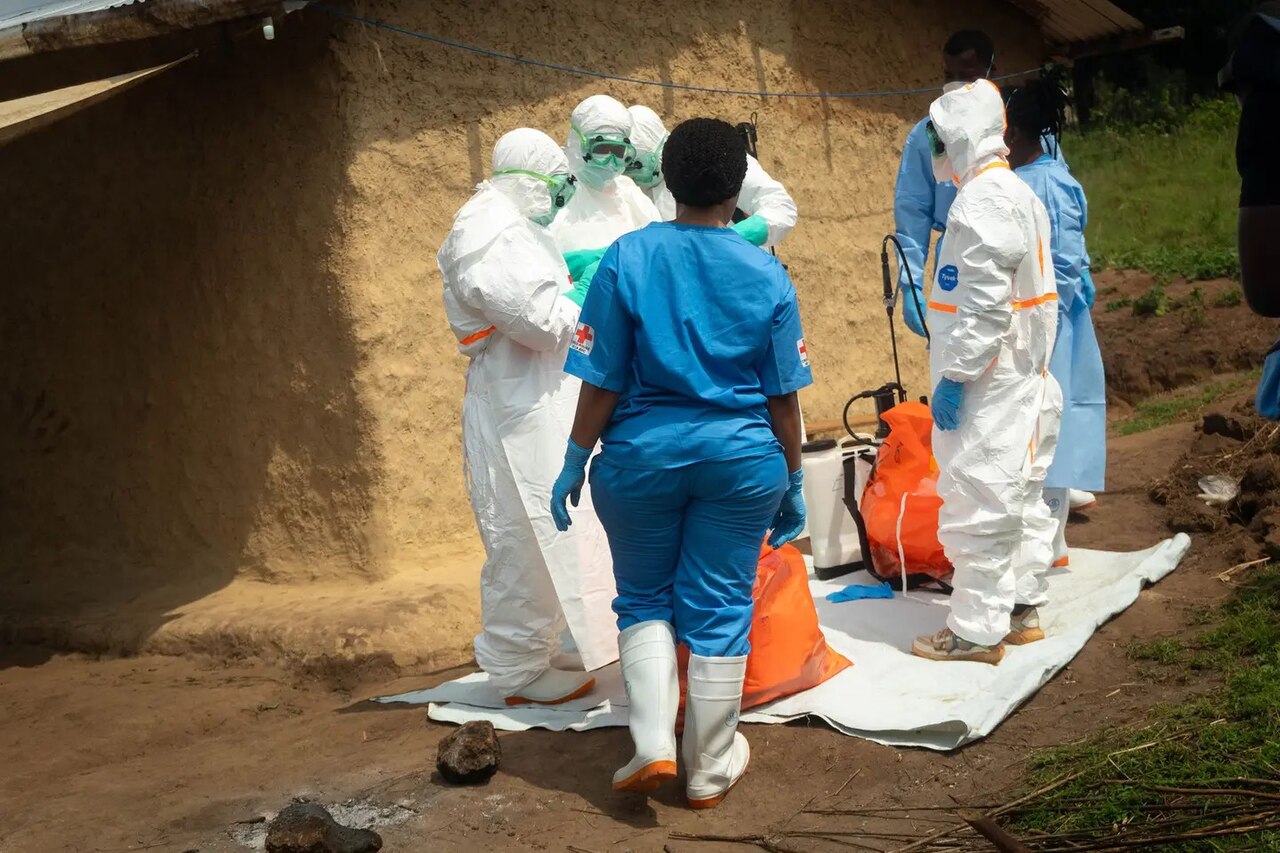
The Democratic Republic of Congo's Ebola epidemic has passed 12,000 confirmed cases, according to government data released this week, as the World Health Organization issued updated recommendations calling for improved security for responders and accelerated research into vaccines and treatments. The health ministry's update put cumulative confirmed infections at 12,021, including 5,904 deaths, a case fatality rate of about 49 percent. The figures make this the largest Ebola outbreak in Congo's history and the second-largest ever recorded, behind only the West African epidemic of 2014 to 2016.
The outbreak is caused by the Bundibugyo species of the Ebola virus, a rarer form of the pathogen for which there are no approved vaccines or treatments. It was declared in mid-May in Ituri province in north-eastern Congo and has since spread to eight of the country's 26 provinces, affecting 69 health zones. Ituri remains the hardest-hit province by a wide margin, accounting for 7,946 cases and 3,751 deaths as of 17 November. The growth has been relentless: national figures stood at 11,376 cases and 5,568 deaths on 16 November, meaning hundreds of new infections are still being confirmed every week.
On Friday the WHO published updated recommendations for the response, issued by Director-General Tedros Adhanom Ghebreyesus after he concurred with the advice of the Emergency Committee's third meeting on 17 November. The director-general determined that the epidemic continues to constitute a public health emergency of international concern, a status it has held for six months. The Emergency Committee's chair, Professor Lucille Blumberg, said the committee remained deeply concerned by continued transmission and the high number of deaths, particularly where insecurity makes every aspect of the response more difficult.
Security is now one of the central obstacles. The WHO says it has verified at least 94 attacks on health care in Congo since the emergency was declared, and heavy fighting near a hospital in Ituri's Mongbwalu area recently forced an Ebola team to relocate until the situation calms, with about a dozen people, including two WHO staff members, evacuated to Bunia. Responders working in such conditions face an impossible equation: the areas with the most intense transmission are frequently the areas they cannot safely reach, and every evacuation interrupts contact tracing, testing and care at the moment they matter most.
The tracing gap shows in the data. Health officials have acknowledged that only a small share of new cases, around 15 percent according to figures presented earlier this month, come from contacts already known to authorities, which means most infections are being discovered only when people fall ill, after they may already have spread the virus. The WHO's risk assessment identified insecurity, population movement, community mistrust, shortages of infection-control supplies and funding gaps as the main obstacles, despite improvements in surveillance, testing and tracing. The committee also emphasised preventing transmission inside health facilities, including infections linked to unsafe injection practices, and cutting the delays between symptoms, diagnosis and supportive care.
The response is now being reorganised for a longer fight. The WHO and the Africa Centres for Disease Control and Prevention have unveiled an updated continental preparedness and response plan running from November 2026 through May 2027, putting communities at the centre and strengthening early detection and care. About 1.576 billion US dollars is estimated to be needed over the next six months to deliver it. The WHO has also recommended two new Bundibugyo vaccine candidates for testing, including one developed by the Serum Institute of India with the University of Oxford, and the Emergency Committee urged faster clinical trials held to high scientific, ethical and safety standards, with communities fully engaged in how the trials are explained and run.
The outbreak has already crossed borders in small numbers, with Kenya reporting nine confirmed cases and two deaths and Nigeria one imported case, which is why the updated recommendations include targeted measures for other countries to identify travellers who may have been exposed, without unnecessarily disrupting flights and international traffic. For Congo itself, the path the WHO describes is demanding but clear: find cases earlier, protect health workers and facilities, keep communities' trust, and ensure responders can safely reach the people who need them. Six months into the emergency, none of those tasks has become easier.