Kabila's Rebel Coalition Builds Parallel Administration in Eastern Congo as Displacement Passes Six Million
Former Congolese President Joseph Kabila has begun formalising a parallel administration in rebel-held eastern Congo, issuing ordinances on local government in South Kivu as the coalition he leads consolidates its challenge to President…

Former Congolese President Joseph Kabila has begun formalising a parallel administration in rebel-held eastern Congo, issuing ordinances on local government in South Kivu as the coalition he leads consolidates its challenge to President…
Former Congolese President Joseph Kabila has begun formalising a parallel administration in rebel-held eastern Congo, issuing ordinances on local government in South Kivu as the coalition he leads consolidates its challenge to President Félix Tshisekedi's government and the country's displacement crisis passes six million people.
Kabila heads the Front for the Refoundation of the Nation, known by its French initials FRN, which was announced on 12 October 2026 in Goma, the eastern city captured by the M23 rebel movement in January 2025. The FRN superseded and dissolved the earlier Congo River Alliance, integrating its political and military assets — foremost among them M23 — alongside allied armed groups such as Twirwaneho. Kabila serves as the coalition's overall head, with former electoral chief Corneille Nangaa and M23 political head Bertrand Bisimwa in senior political positions, Sultani Makenga as a key military commander and Freddy Kaniki as secretary-general.
The move from battlefield to bureaucracy accelerated this week. FRN spokesperson Lawrence Kanyuka announced that Kabila had signed three ordinances on 24 November covering administrative structures, municipal leadership in Bukavu and territorial administration in South Kivu Province, amending earlier decisions issued by the AFC-M23 administration on 6 June 2026 on the appointment of Bukavu's mayor and deputy mayor and of territorial administrators and their deputies. One ordinance, signed in Goma, establishes a hierarchy of authority in what the FRN calls liberated territory: Kabila, as president of the movement, issues ordinances, while its Council of the Revolution adopts resolutions. The document cites the Congolese Constitution, the FRN's founding document of 12 October and the council proceedings that designated Kabila as president.
By revising appointments previously made by the M23 administration itself, Kabila is asserting authority over the existing rebel structures — a signal that the coalition intends to govern the territory it holds, not merely to fight for it. For Kinshasa, a parallel chain of administration running from an FRN presidency down to local officials complicates any effort to restore state authority in the east, and raises the prospect that negotiations, when they come, will be about two administrations rather than one government and one insurgency.
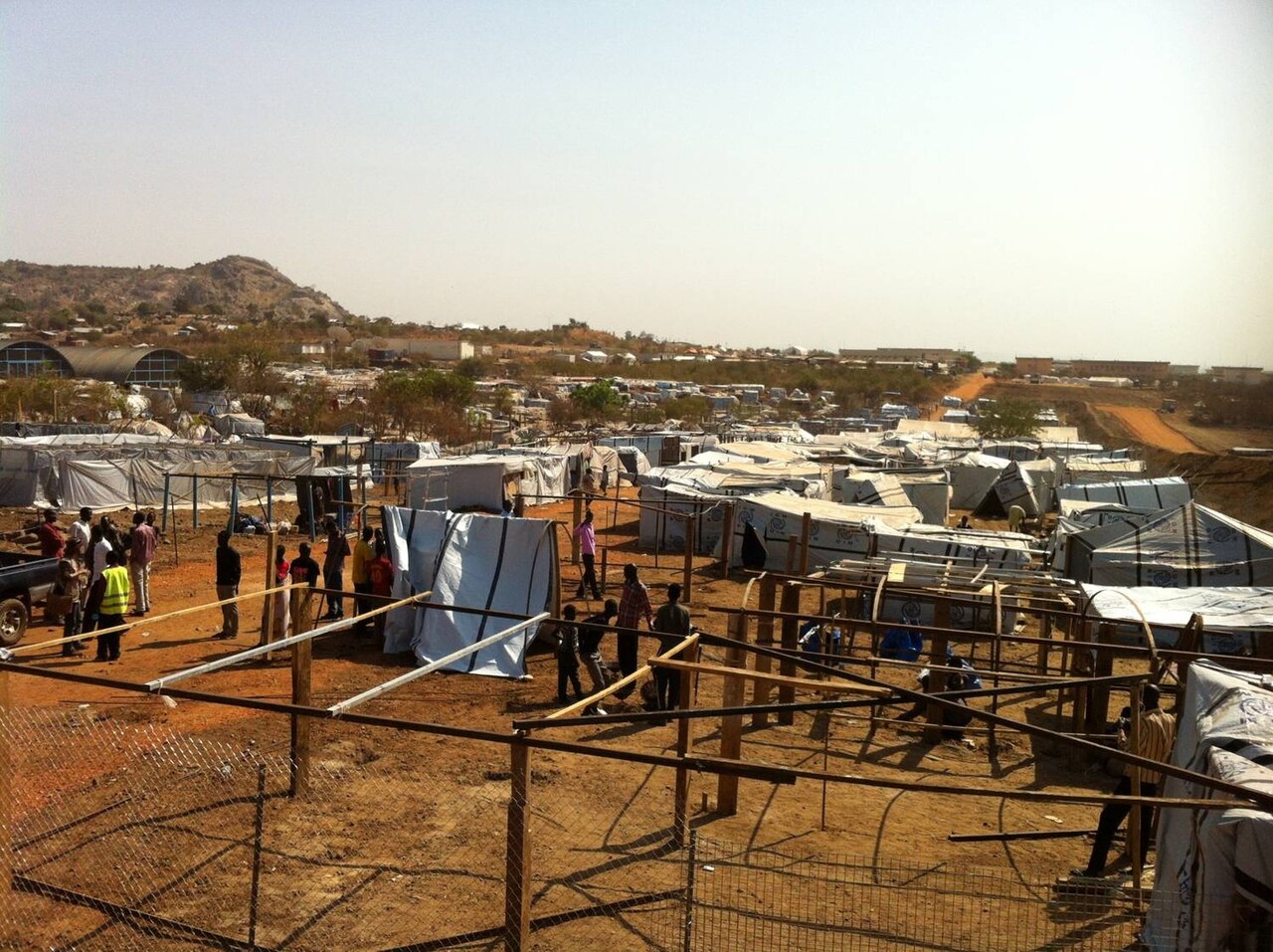
The humanitarian backdrop is devastating. Displacement figures exceed 6.28 million people when internally displaced people and refugees are counted together. A UNHCR assessment published in October 2026 estimated approximately 6.5 million internally displaced people and 603,990 refugees, while the UN Population Fund reported that about 21.2 million people require humanitarian assistance in the country.
Kabila, who ruled the DRC from 2001 to 2019, had previously denied involvement in the rebellion despite accusations from Kinshasa. His emergence at its head carries personal legal stakes: a Congolese military court sentenced him to death in absentia in 2025 on convictions involving treason, war crimes and crimes against humanity linked to the rebellion. The DRC government, the United States and UN experts have accused Rwanda of supporting M23 — allegations Kigali has repeatedly denied.
Diplomacy continues around the edges of the conflict. On 3 November, the head of the UN peacekeeping mission in the DRC, James Swan, met Kabila and other FRN leaders in Goma amid continuing efforts to address the conflict. Whether those contacts can produce a settlement now depends in part on how far the FRN's state-building proceeds: every ordinance signed in Goma makes the coalition harder to dissolve on paper, even as the fighting that sustains it continues across North and South Kivu.