Kenya Banditry Attacks Jump 36 Per Cent to 913 in a Year, National Security Report Shows
Banditry attacks in Kenya rose by more than a third in a single year, reaching 913 recorded raids in the twelve months to August 2026, according to the government's annual report on the state of national security, tabled in Parliament…
Banditry attacks in Kenya rose by more than a third in a single year, reaching 913 recorded raids in the twelve months to August 2026, according to the government's annual report on the state of national security, tabled in Parliament…
Banditry attacks in Kenya rose by more than a third in a single year, reaching 913 recorded raids in the twelve months to August 2026, according to the government's annual report on the state of national security, tabled in Parliament by President William Ruto.
The figures, reported this week, show reported raids climbing 36 per cent, from 673 between September 2024 and August 2025 to 913 in the following twelve months. The violence killed 94 people and injured 108 during the period under review, compared with 93 deaths and 71 injuries in the previous period — meaning the death toll held roughly steady even as the number of attacks, and the number of wounded, rose sharply.
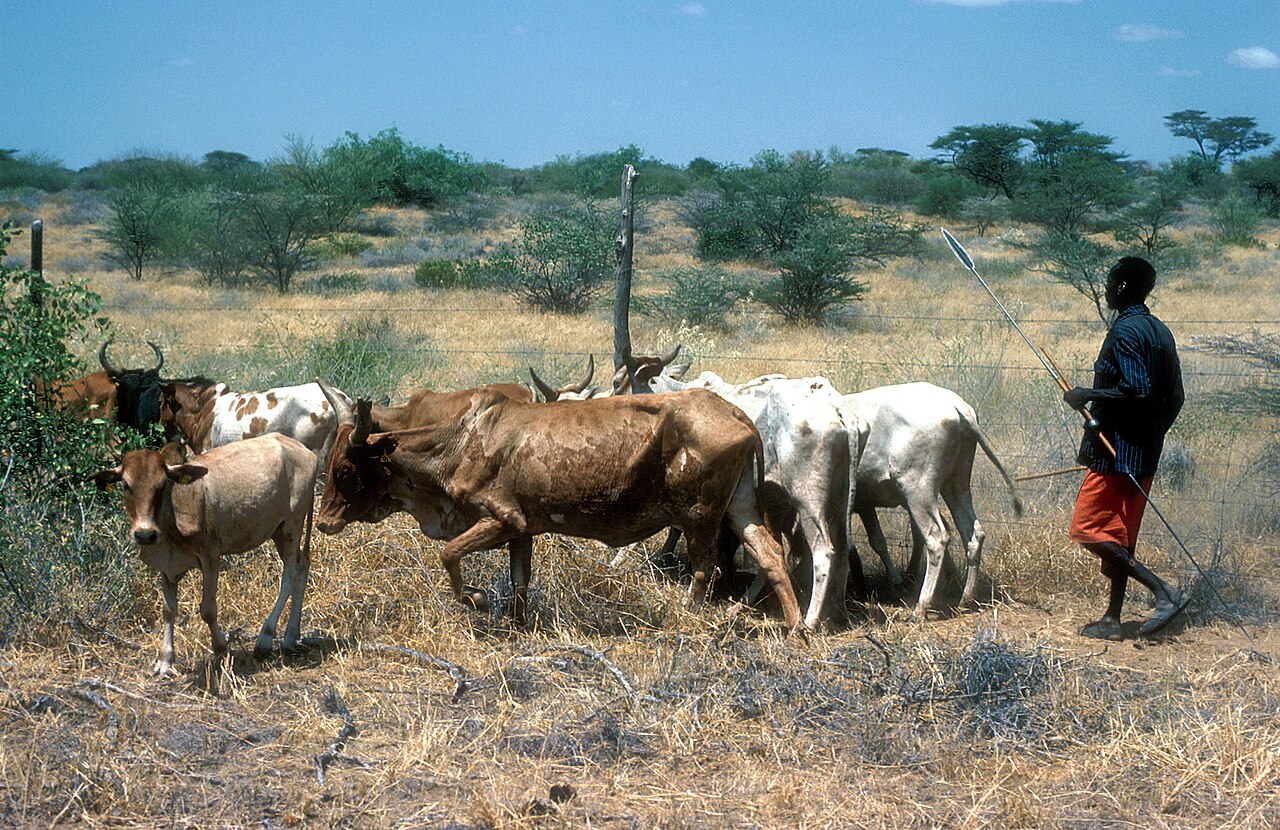
The economic toll on pastoralist communities is measured in livestock. Raiders stole 22,885 head of livestock during the reporting period, compared with 20,308 the previous year, a rise of 13 per cent. For families whose wealth, food and social standing are held in cattle, a single raid can erase a lifetime's accumulation in a night, and the report's totals represent thousands of households pushed toward destitution across the arid and semi-arid lands.
Communities in the North Rift, Upper Eastern and Northern Kenya continue to bear the brunt of the cattle raids, killings and displacement, the report finds. These are regions where banditry and cattle rustling have persisted for decades, fed by competition over pasture and water, the wide availability of illegal firearms, and terrain that favours raiders who strike quickly and disappear into remote country before security forces can respond.
The government's response, as set out in the report, combines enforcement with disarmament. Police arrested 354 suspects in connection with banditry and cattle rustling, up 23 per cent from 288 in the preceding period, and security agencies recovered 2,394 illegally held firearms through targeted disarmament operations. Officials say security operations have been intensified and the capacity of agencies in banditry-prone areas strengthened.
Whether those measures are working is the question the report's own headline figure poses. Arrests and firearm recoveries are both up — but so, by a much larger margin, are the attacks themselves. Security analysts in Kenya have long argued that operations alone cannot end banditry while its drivers remain: drought shrinking pasture, underdevelopment in the northern counties, political incitement around raids, and markets that make stolen livestock easy to sell. Disarmament campaigns, meanwhile, carry their own risk — communities that surrender weapons while their neighbours do not are left exposed, a dilemma that has undermined past exercises.
The pressure for action is visible in the affected counties themselves. In recent days the government ordered an intelligence-led disarmament operation in Isiolo and Garissa counties after inter-communal clashes there left nine people dead, with Interior Cabinet Secretary Kipchumba Murkomen directing the Inspector General of Police to recover illegal firearms, review security deployments and reposition installations in the two counties. Garissa's senator has separately demanded permanent security bases along the Garissa-Isiolo border after attacks that killed eight people and drove off more than 3,000 head of livestock, while MPs who visited Meru County this month reported more than 15,000 cattle stolen there over the years. Each local crisis now arrives with the same demands — more officers, permanent bases, recovered guns — and the annual report suggests the underlying trend is still moving against the responders.
For the families behind the statistics, the debate is simpler. Ninety-four funerals, more than a hundred people injured, and nearly twenty-three thousand animals gone in a year describe a security problem that is getting worse, not better, on the government's own count. The report tabled by the President documents the scale of that failure honestly. What it cannot do by itself is reverse it — that will require the operations, the disarmament and the development of the north to move faster than the raiders, which, on this year's numbers, they have not yet done.