First Weekend Without Emergency Rule: What Changes in Lakes, Warrap, Western Bahr el Ghazal and Unity
Four states are spending their first weekend under ordinary law rather than emergency rule, after President Salva Kiir lifted the state of emergency in Lakes, Warrap, Western Bahr el Ghazal and Unity in a decree announced by the state…
Four states are spending their first weekend under ordinary law rather than emergency rule, after President Salva Kiir lifted the state of emergency in Lakes, Warrap, Western Bahr el Ghazal and Unity in a decree announced by the state…
Four states are spending their first weekend under ordinary law rather than emergency rule, after President Salva Kiir lifted the state of emergency in Lakes, Warrap, Western Bahr el Ghazal and Unity in a decree announced by the state broadcaster SSBC on Thursday evening.
The order, reported on Thursday and carried by SSBC, took immediate effect and removed the emergency framework that had governed movement and public life in the four states. Warrap had been under emergency rule since 2025, after deadly communal clashes there killed hundreds of people, and the emergency measures restricted civilian movement.
The violence that prompted emergency rule has not ended with it. Intercommunal clashes persisted in Warrap and Unity even while the restrictions were in force, including fighting near the border with Unity State in October in which at least 72 people were reported killed. The lifting therefore changes the legal framework for the coming electoral weeks; it does not, by itself, change the security reality on the ground.
The electoral significance of the timing is considerable, and it begins today. Candidate nominations open this morning across the country, including in the four states, where parties and independent aspirants must now gather signatures, move between communities and file papers — activity that sits awkwardly with emergency restrictions on movement and assembly. From 27 December, the official campaign period runs for forty-five days to 9 February, and campaigning in Lakes, Warrap, Western Bahr el Ghazal and Unity will now take place under the same ordinary legal conditions as in the rest of the country.
Civil society made that argument before the decree and welcomed it after. Edmund Yakani, executive director of the Community Empowerment for Progress Organization, had warned that the emergency restrictions posed a threat to the electoral process, and he linked his welcome for the President's decision directly to that concern. His organisation has since pressed for the wider resolutions of the inter-party dialogue — on political freedoms, inclusion and security — to be implemented in practice, of which the emergency lifting is the most visible single example so far.
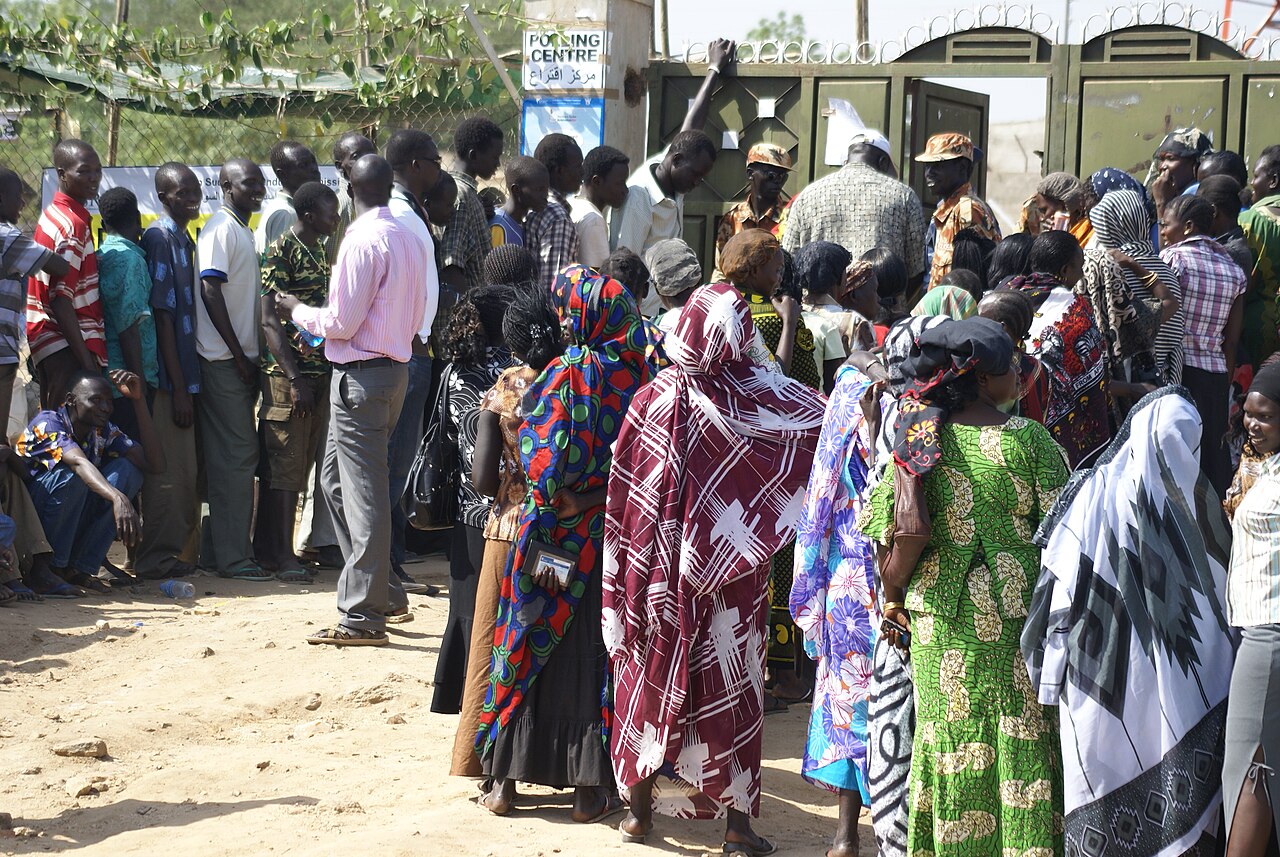
For residents of the four states, the practical tests start immediately. Registration centres in the four states remain open for the extension week until 5 December: whether citizens can travel to them more freely is the first measure of the change. Nomination signature gathering, which runs from today to 13 December, is the second. Party organisation, rallies and eventually campaign travel are the tests that follow.
There are also questions only the authorities can answer. Security forces in the four states now operate without emergency powers: their ability to prevent the communal clashes that have repeatedly flared in Warrap and Unity, using ordinary law, will be watched as closely as the new freedoms themselves. A lifting that produced either disorder or a quiet continuation of restrictions under another name would fail in opposite ways.
The decree formed part of a cluster of election-related presidential actions, including the Republican Order of 20 November guaranteeing free movement for candidates and their supporters, read out at the close of the inter-party dialogue on Thursday. Taken together, the measures commit the state, on paper, to open conditions for the February polls. The first weekend without emergency rule is when that paper commitment begins to be tested in the four states it most affects.