Sudan Named Among World's Five Most Severe Hunger Hotspots as Famine Risk Spreads
Sudan has been named among the five most severe hunger crises in the world in a new early-warning report by the United Nations food agencies, which warn that famine could take hold in 13 areas of North Darfur and South Kordofan by…
Sudan has been named among the five most severe hunger crises in the world in a new early-warning report by the United Nations food agencies, which warn that famine could take hold in 13 areas of North Darfur and South Kordofan by…
Sudan has been named among the five most severe hunger crises in the world in a new early-warning report by the United Nations food agencies, which warn that famine could take hold in 13 areas of North Darfur and South Kordofan by January 2027 if fighting continues to block relief.
The Hunger Hotspots report, released on Friday by the Food and Agriculture Organization and the World Food Programme, lists 16 countries and territories where acute food insecurity is expected to worsen significantly between December 2026 and May 2027, up from 13 in the previous report in June. Sudan, South Sudan, Somalia, parts of Nigeria and Yemen are placed at the highest level of concern. Conflict and violence remain the primary drivers of acute hunger in 12 of the 16 hotspots.
For Sudan, the figures describe a catastrophe still deepening more than three years into the war between the army and the Rapid Support Forces. Nearly 19.5 million people — 41 per cent of the population — faced crisis-level hunger or worse in the latest nationwide analysis. Under a reasonable worst-case scenario, the agencies identify a risk of famine in 13 areas of North Darfur and South Kordofan through January 2027, while in two displacement camps in Eastern Jebel Marra, in South Darfur, acute malnutrition rates have already exceeded the famine threshold.
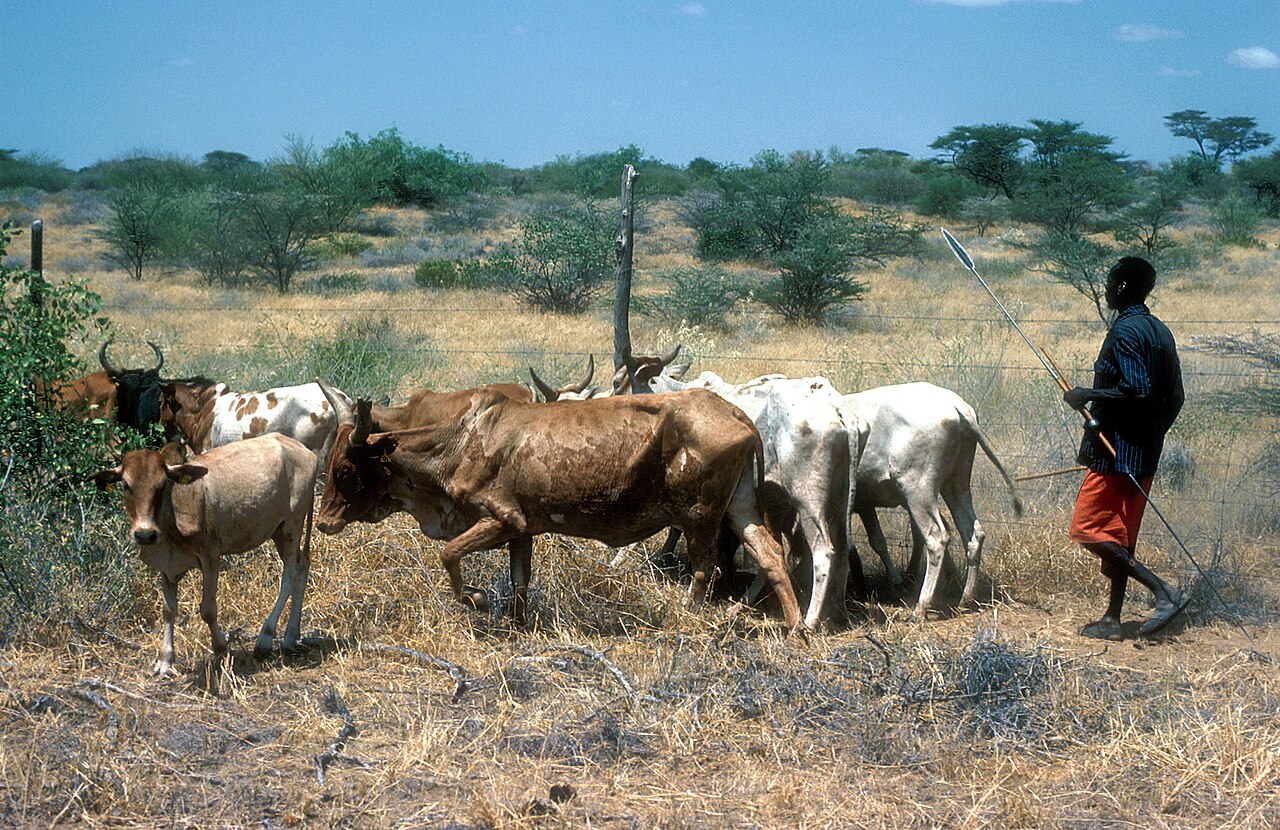
The war is not the only pressure. Drought linked to El Niño, the Pacific warming pattern that disrupts weather worldwide, has affected up to 55 per cent of cropland in Sennar state and 70 per cent in Gedaref, two of Sudan's main farming states. Sorghum prices have more than doubled in a year, driven by the fighting and by higher fuel costs, putting staple food beyond the reach of families whose incomes the war has already destroyed. FAO Deputy Director-General Beth Bechdol told the Associated Press that El Niño-linked drought poses a major additional threat on top of the conflict's toll on food production.
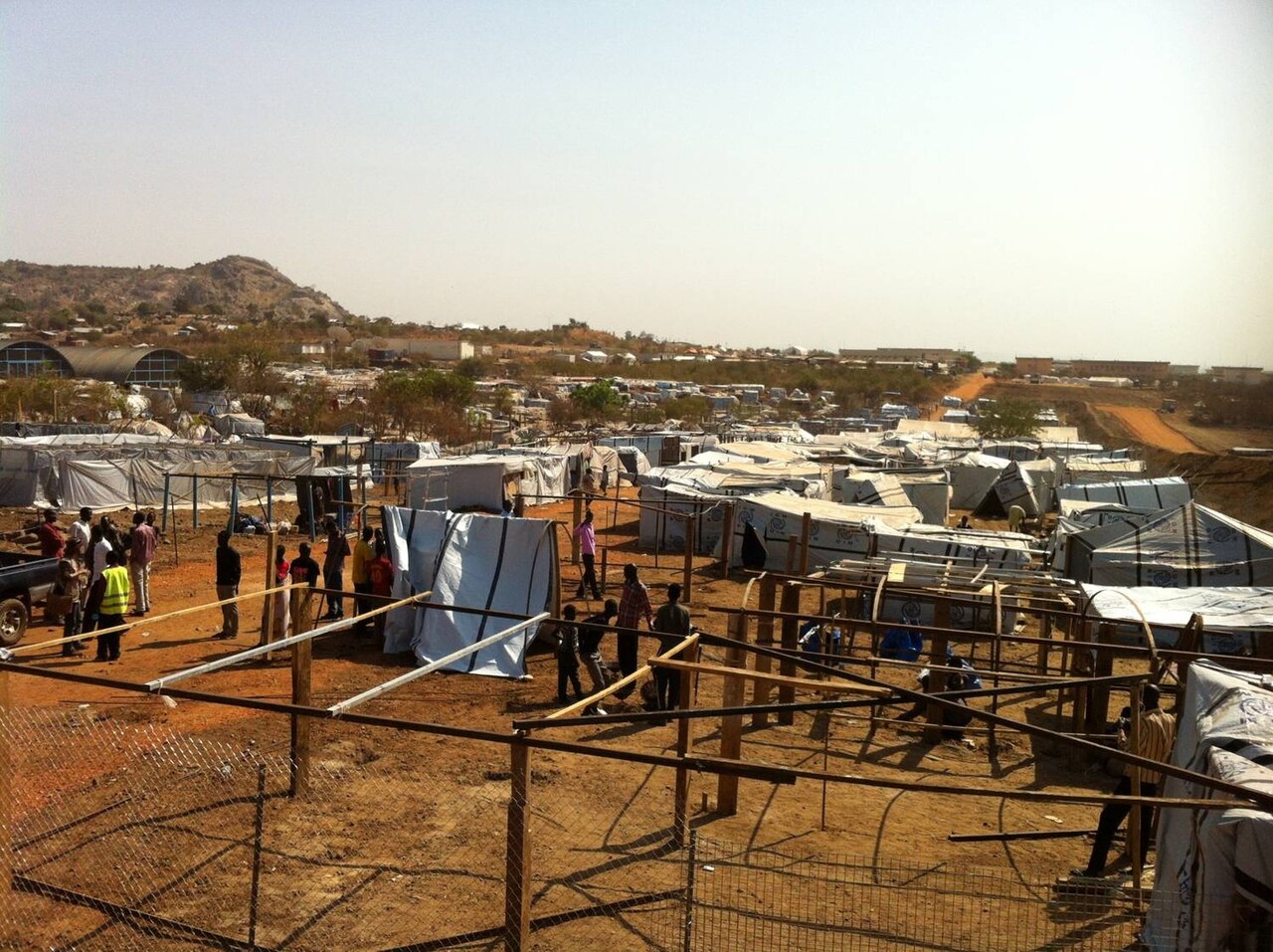
Displacement continues to feed the crisis. The International Organization for Migration says more than 383,000 people have fled Sudan's Kordofan region in the past year, with renewed insecurity forcing a further 15,000 to flee in November alone. The United Nations says 33.7 million people in Sudan need humanitarian assistance in 2026 — the highest number of any country in the world.
South Sudan shares the report's highest tier of concern. The agencies note that the latest available analysis identified a risk of famine in four counties of Upper Nile and Jonglei states under a worst-case scenario, in a country hosting large numbers of people displaced by its own conflicts and by Sudan's war next door. Somalia, where displaced populations in Baidoa remain at emergency levels of food insecurity, and northern Nigeria complete the African countries in the highest-concern group.
The agencies are calling for urgent humanitarian action across all 16 hotspots, above all where famine risk has been identified, and for safe, unimpeded access to people in need. A joint FAO-WFP anticipatory action plan aims to protect 9 million people in 22 countries before El Niño's worst effects arrive — acting on early warnings, the agencies argue, costs far less than responding after famine has taken hold.
Whether that warning is heeded in Sudan will depend less on Rome, where the report was issued, than on the generals whose forces control the roads into North Darfur and South Kordofan. Every previous early warning in this war has been followed by worse numbers in the next report. The agencies have now said, in writing, where famine could strike next — and how soon.