German President Steinmeier Begins Africa Tour in Abidjan, Calling With President Ouattara for Closer Economic Cooperation
German President Frank-Walter Steinmeier began a tour of Côte d'Ivoire, Ghana and Kenya in Abidjan on 23 November, welcomed with military honours by President Alassane Ouattara, with economic cooperation and skilled-worker training at the...
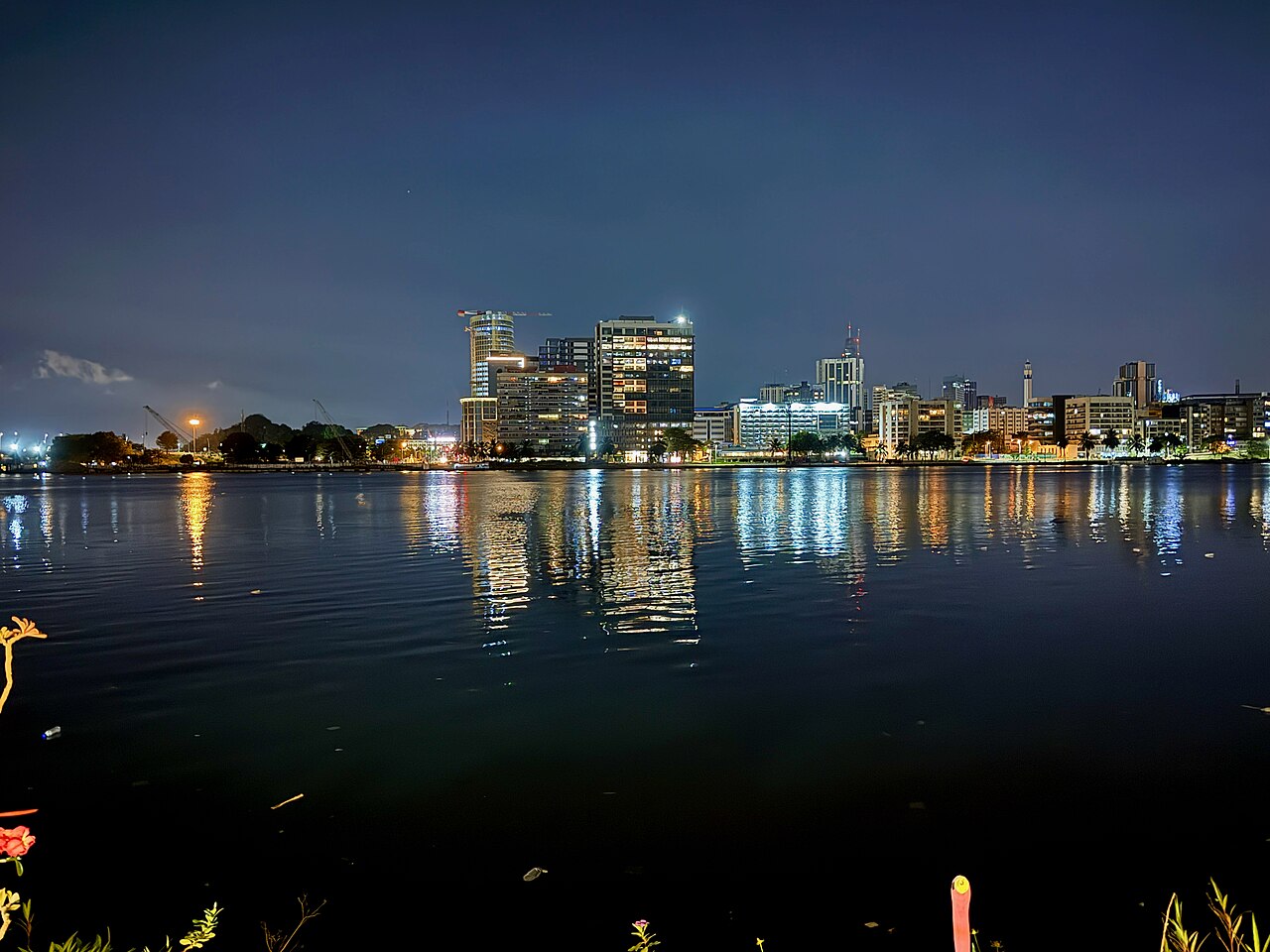
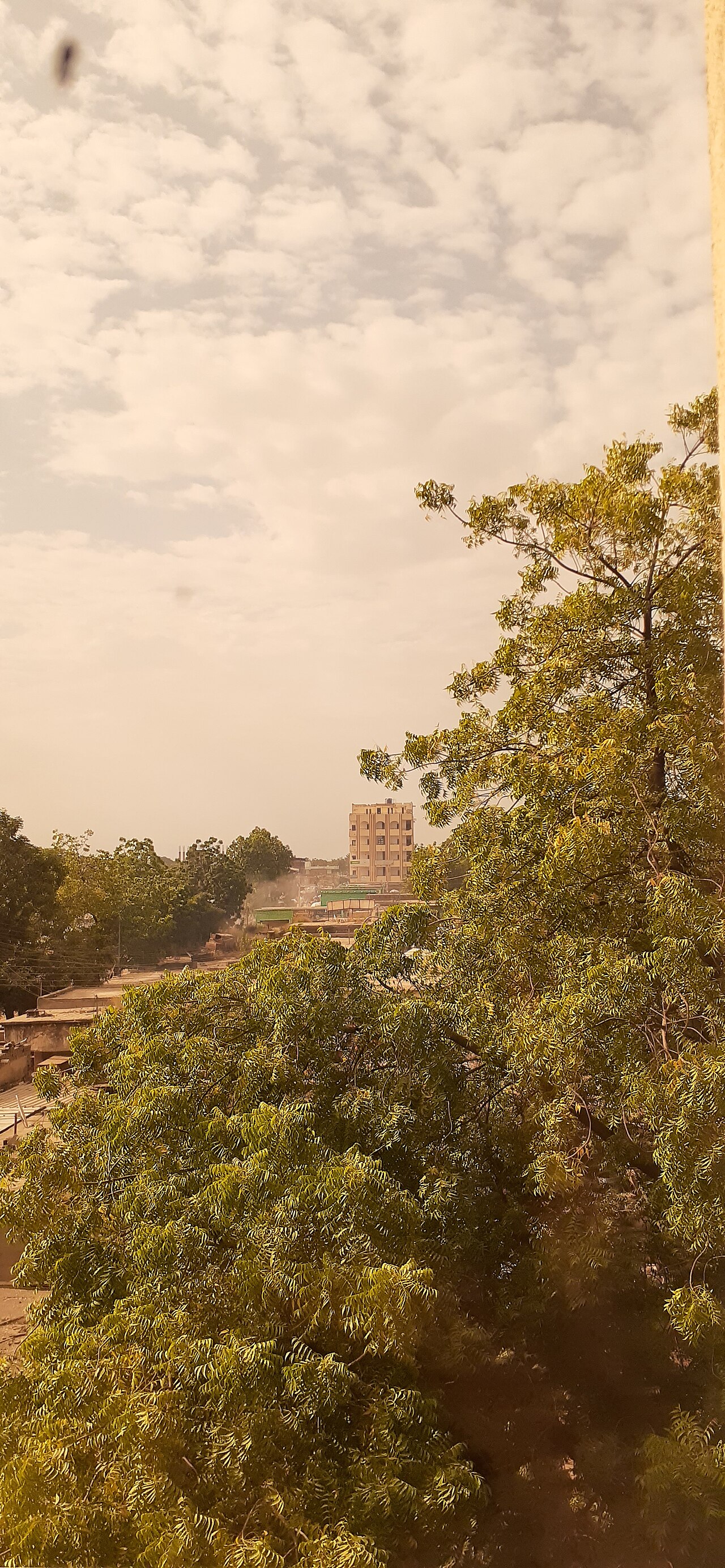
The Abidjan skyline in Côte d'Ivoire, where German President Frank-Walter Steinmeier began his Africa tour and met President Alassane Ouattara. (Wikimedia Commons, CC BY 4.0)
German President Frank-Walter Steinmeier began a tour of Côte d'Ivoire, Ghana and Kenya in Abidjan on 23 November, welcomed with military honours by President Alassane Ouattara, with economic cooperation and skilled-worker training at the centre — and trade between Germany and Côte d'Ivoire up 21% last year to over €1.4 billion.
ABIDJAN — German President Frank-Walter Steinmeier has begun a visit to Africa in Abidjan, Côte d'Ivoire, the first stop on a tour from 22 to 26 November that also takes him to Ghana and Kenya. The aim of the visit, according to the Office of the Federal President, is to pay tribute to and further expand the close partnerships with the three African countries, with a focus on economic cooperation and the training of skilled workers.
In Abidjan on Monday 23 November, President Alassane Ouattara welcomed Steinmeier with military honours at the Presidential Palace, after which the two presidents held talks. At a joint press conference, Steinmeier noted that Côte d'Ivoire is Germany's closest francophone trading partner in sub-Saharan Africa, and the two leaders agreed that Germany and Côte d'Ivoire should further expand their political and economic cooperation. Ouattara pointed out that his country's trade with Germany had risen by 21% last year, to just over €1.4 billion (about $1.53 billion).
The Ivorian programme combined the economic agenda with education and security. Steinmeier visited a vocational school in Yopougon — the training of skilled workers being a stated centrepiece of the whole tour — and the International Counter-Terrorism Academy (AILCT) at Jacqueville, where German security forces also train. He pledged further German support in curbing terrorism for Côte d'Ivoire and its neighbours, and at a dinner hosted by Ouattara he referred to major economic and ecological challenges. The discussions between the two presidents also covered investments, professional training, climate action and security, including efforts to address terrorism in West Africa.
The visit carries a historical weight its hosts underlined: the last time a German head of state visited Côte d'Ivoire was in 1983. Ouattara has just begun his fourth term in office, and Steinmeier — on his 11th trip to sub-Saharan Africa, and his last, as his second term ends in March — is accompanied by a German business delegation seeking to deepen commercial partnerships.
From Abidjan, the tour moves to Ghana on Tuesday 24 November, where Steinmeier is scheduled to hold bilateral talks with President John Mahama at Jubilee House in Accra, take part with Mahama in a German-African Economic Summit, and visit the United Nations World Food Programme's humanitarian logistics hub in Accra. The Ghana stop follows the same twin themes as Abidjan: closer economic ties and expanded cooperation in vocational education and skills training.
The final leg takes the German president to Kenya on Wednesday 25 November for engagements with President William Ruto in Nairobi, closing on Thursday 26 November with a visit to the Crescent Island nature reserve at Lake Naivasha, where the programme focuses on nature conservation and biodiversity protection. The itinerary — trade and training in West Africa, partnership and conservation in East Africa — frames the tour as a summation of Germany's Africa policy at the end of Steinmeier's presidency.
For Côte d'Ivoire, the Abidjan day delivered the tour's first concrete message: trade up 21% to over €1.4 billion, a German pledge of continued support against terrorism, and two presidents publicly committed to expanding cooperation. Whether the Ghana and Kenya stops add agreements to that rhetoric will be seen this week, but the tour's design is clear — Germany presenting itself, through its head of state and a travelling business delegation, as a long-term economic partner to three of Africa's pivotal states.
(Source: Office of the German Federal President / dpa via Daily Fox News)
Source: Juba Global News Network, reporting Office of the German Federal President / dpa coverage.