World court rules Myanmar committed genocide against the Rohingya
The International Court of Justice ruled, 9–6, that Myanmar's security forces committed acts intended to destroy a substantial part of the Rohingya population in northern Rakhine State.
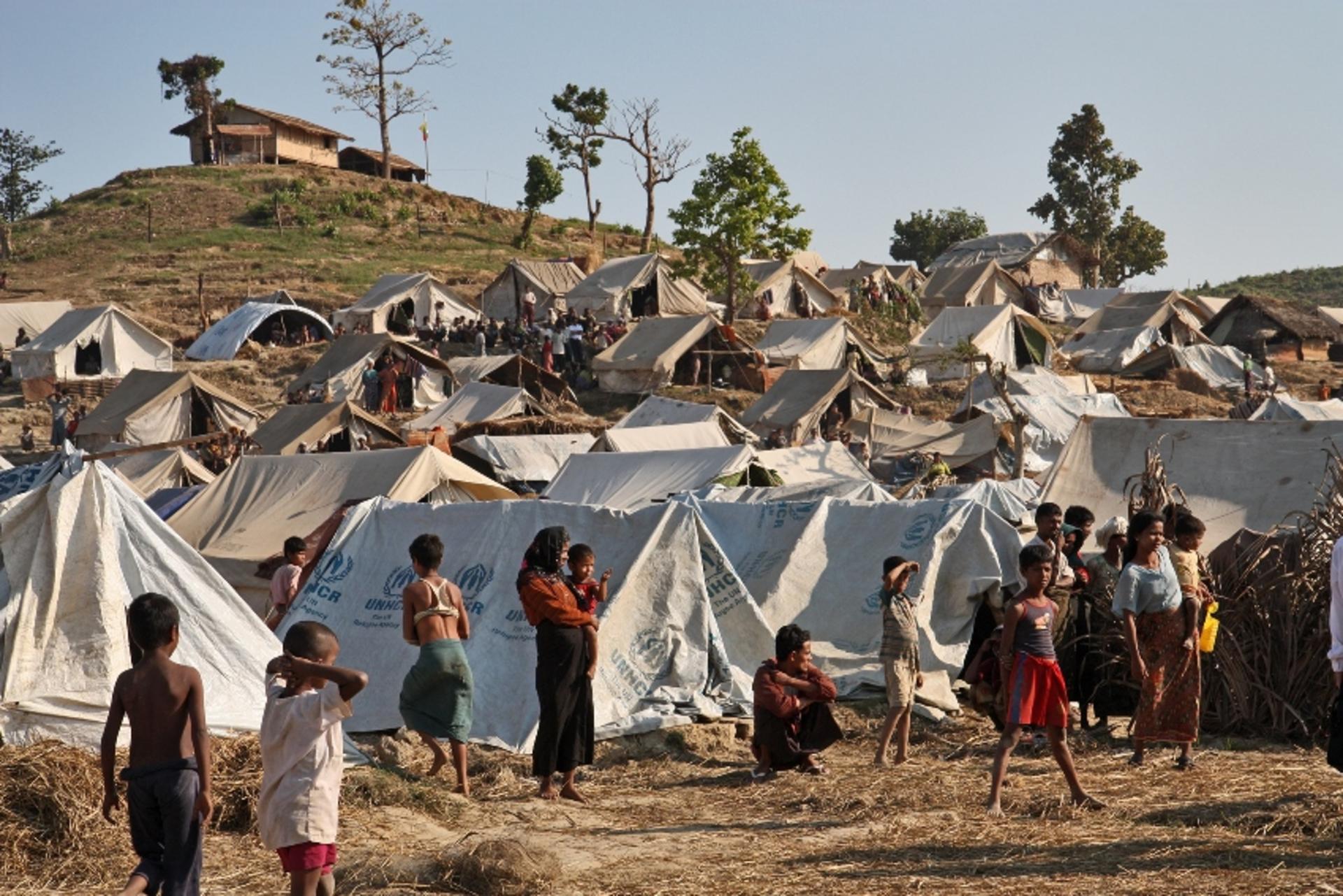
Rohingya refugees, whose case before the world court has produced a landmark genocide ruling. (Photo: rights-cleared pool via image search — see edition manifest)
The International Court of Justice ruled, 9–6, that Myanmar's security forces committed acts intended to destroy a substantial part of the Rohingya population in northern Rakhine State.
THE HAGUE — The International Court of Justice ruled that Myanmar committed genocide against the Rohingya, the first such finding against a state by that court. In a 9–6 decision, the court found that Myanmar's security forces committed mass killings, widespread sexual violence and other acts intended to destroy a substantial part of the Rohingya population in northern Rakhine State.

The Rohingya, a Muslim minority in Buddhist-majority Myanmar, were driven out in their hundreds of thousands in 2017, most to camps in Bangladesh that have since become some of the largest refugee settlements on earth. A court finding of genocide — the gravest word in international law — carries legal and moral weight far beyond the courtroom, even where enforcement is slow.
Genocide requires intent to destroy a group in whole or in part, which is why such cases take years: judges must find not only that atrocities occurred, but that they were committed with that specific purpose. A 9–6 split shows the court divided even as its majority reached the historic conclusion.
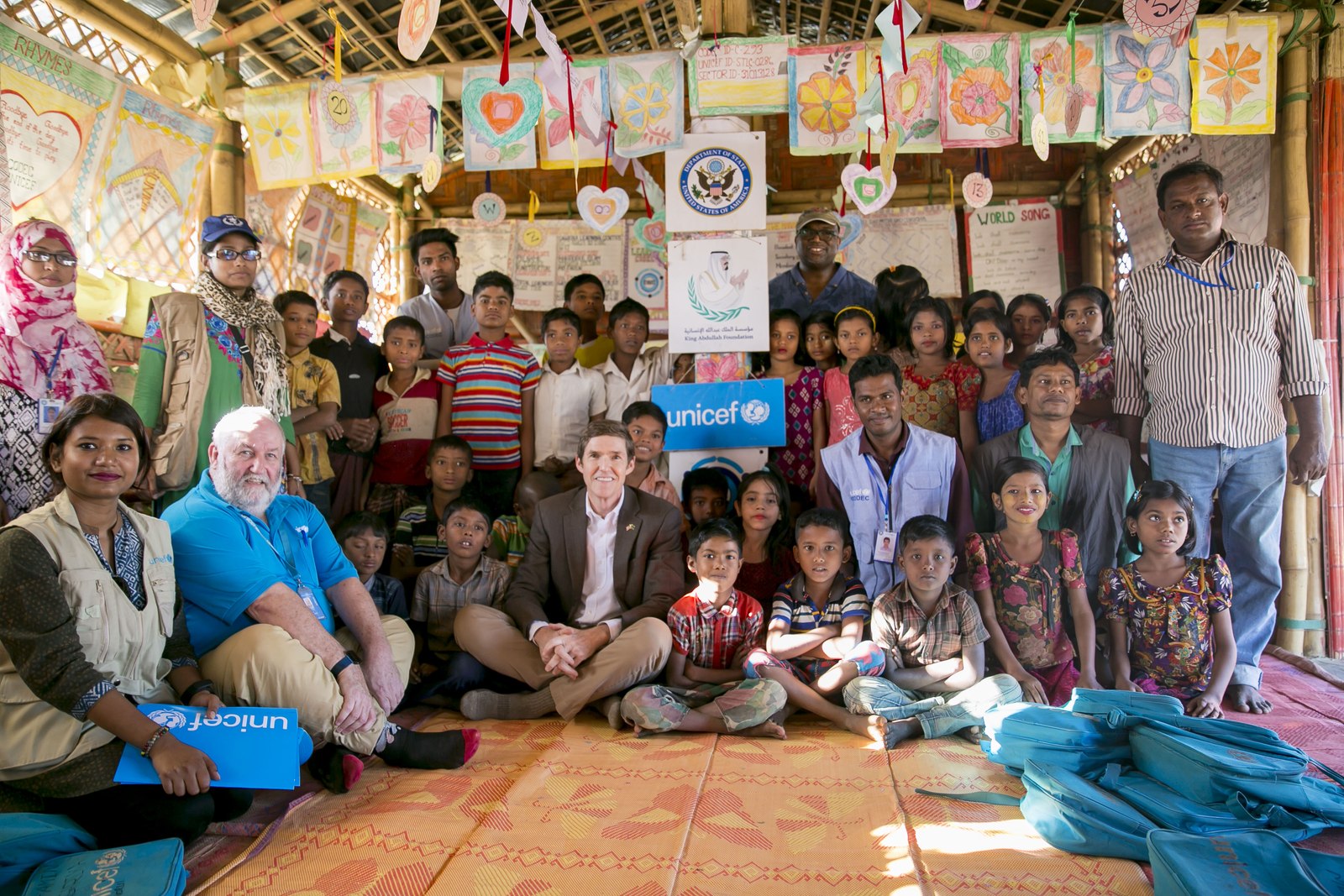
For survivors in the camps, the ruling is recognition before it is remedy. Repatriation, citizenship, compensation and accountability for commanders remain unresolved political questions, and no judgment from The Hague answers them by itself. But recognition matters: it fixes the historical record in law, where denial cannot easily reach it.
African readers will recognise the pattern — South Sudan's own commissions and courts wrestle with how to document atrocity credibly. The Rohingya ruling is a reminder that documentation done carefully, however slowly, can one day become a judgment.
Source: Juba Global News Network, reporting Open Chronicle; One Turn News; Morning Briefing coverage.