UN Fears New Crisis in South Sudan as Elections Approach
The head of UNMISS told the Security Council the country stands at a critical juncture, with weakening political consensus, rising insecurity and some 10 million people in need of humanitarian assistance.
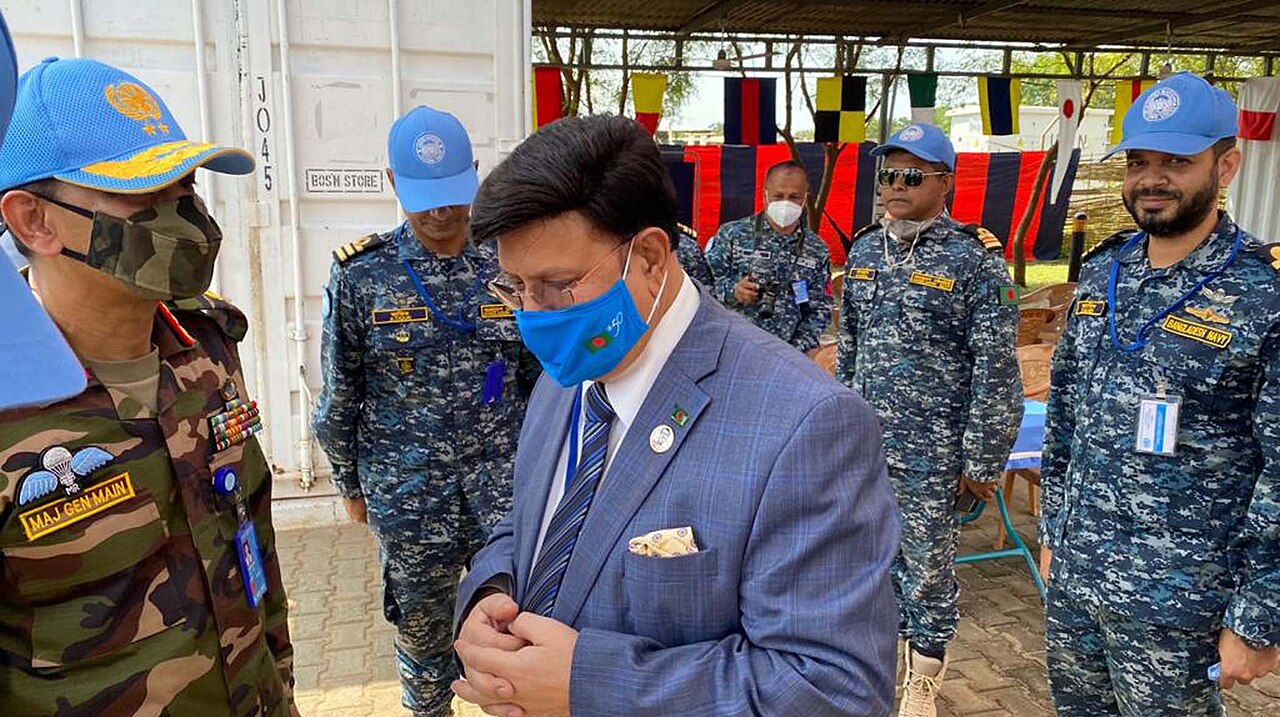
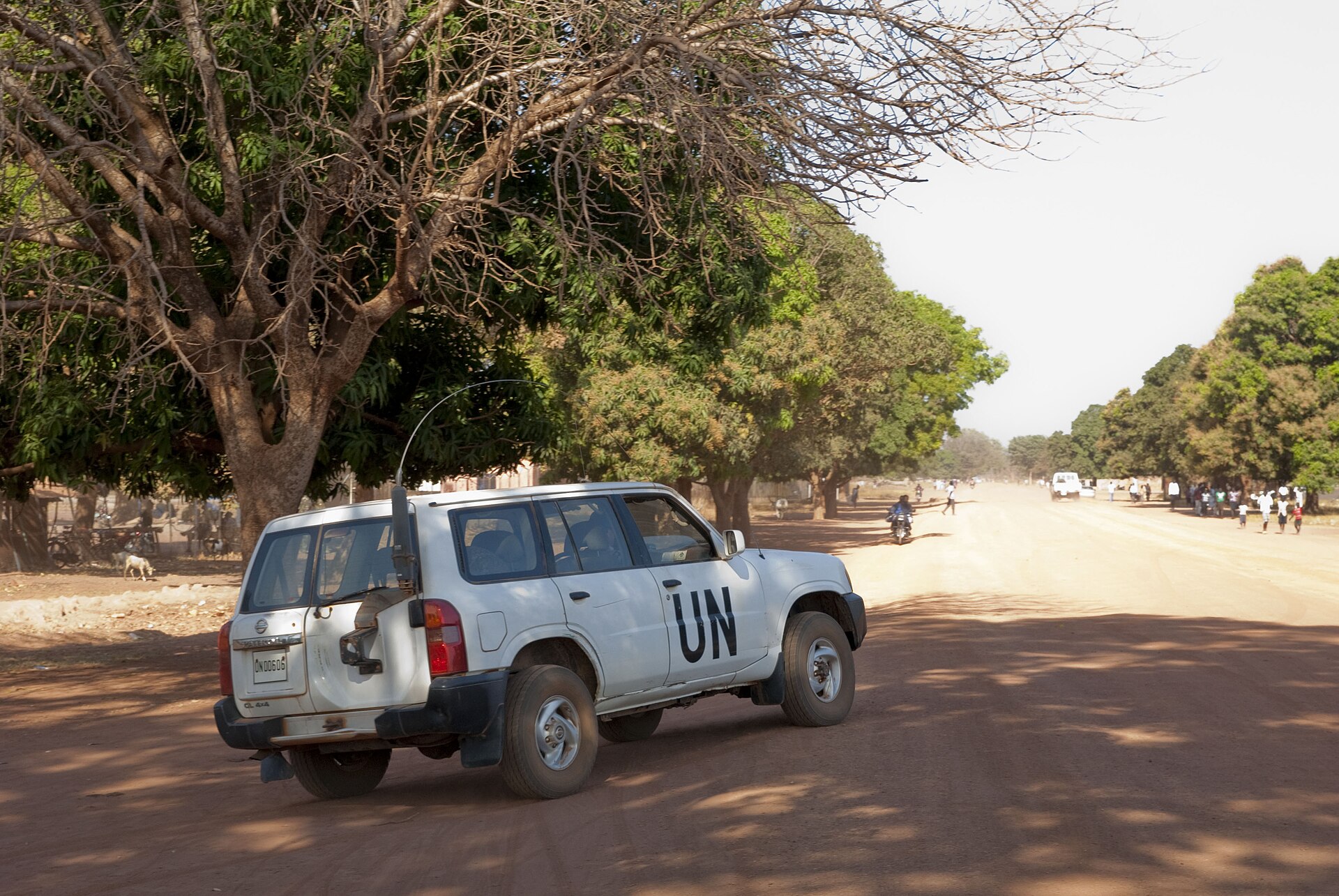
UNMISS peacekeepers in South Sudan during a visit by Bangladesh's foreign minister. (Photo: Wikimedia Commons — 'Bangladesh Foreign Minister A. K. Abdul Momen Visits UNMISS Peacekeepers in South Sudan 2021-08-20 (PID-0028020).jpg', Public domain via Wikimedia Commons (rights-cleared pool))
The head of UNMISS told the Security Council the country stands at a critical juncture, with weakening political consensus, rising insecurity and some 10 million people in need of humanitarian assistance.
NEW YORK — The United Nations fears a new crisis in South Sudan as the country's first elections since independence approach, with senior UN officials warning that political, security and humanitarian pressures are converging on the fragile transition.
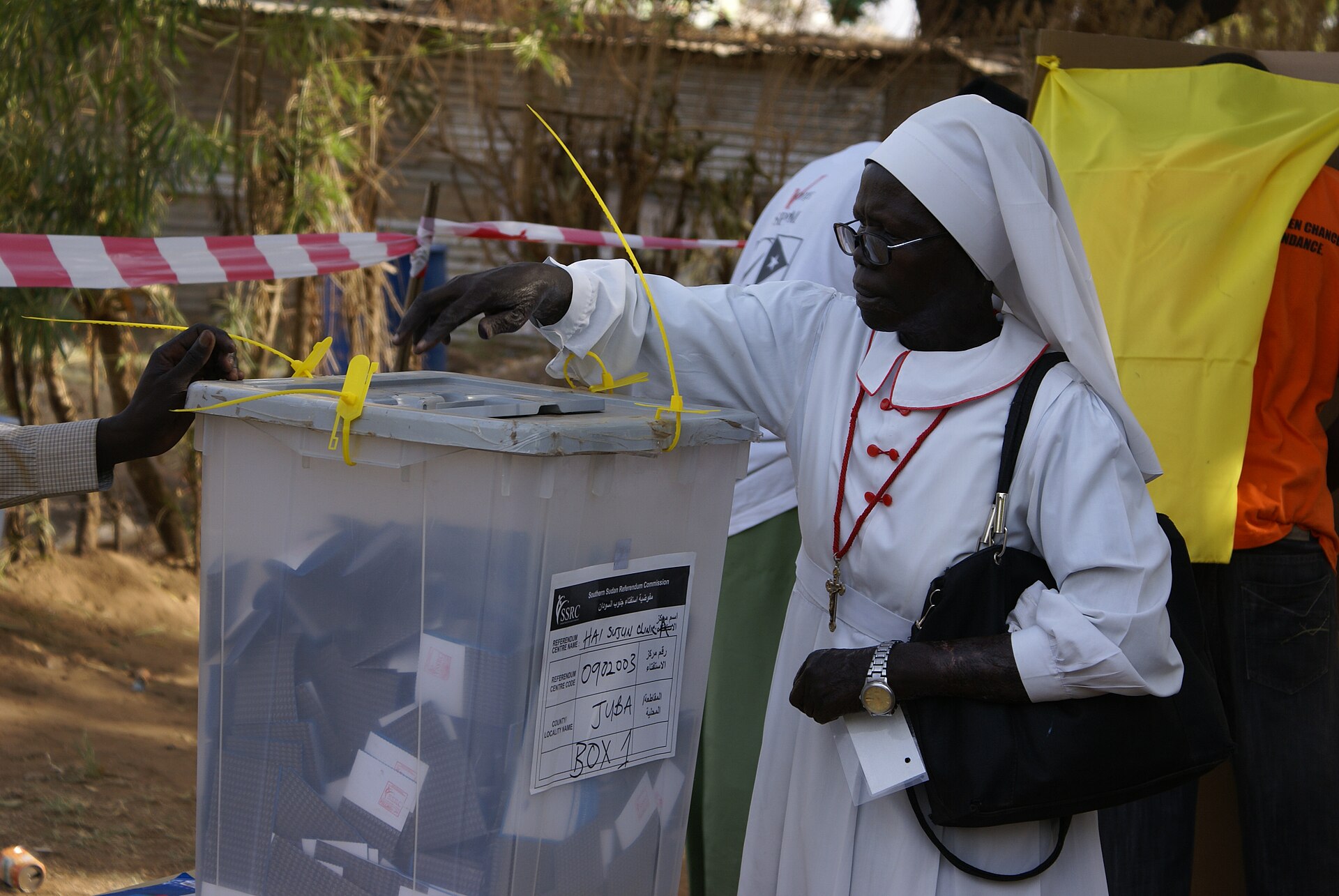
South Sudan is at a critical juncture ahead of its planned elections, the head of the United Nations Mission in South Sudan (UNMISS), Anita Kiki Gbeho, told the Security Council on Tuesday, 10 November. Gbeho, the UN Secretary-General's Special Representative, said political consensus had weakened, raising concerns about the sustainability of progress made under the 2018 peace agreement and the country's prospects for a peaceful transition beyond the polls.
"With just 42 days until South Sudan's planned first elections as a sovereign state, the country is at a critical juncture," Gbeho said, referring to the 22 December polling date then in force. She said the central question is whether the transition will remain anchored in the 2018 revitalised peace agreement, and whether its outstanding commitments will be implemented.
Gbeho noted that amendments to the National Elections Act were adopted on 21 September, a day before the Transitional Government of National Unity was dissolved and replaced by a caretaker administration. She said her engagements with government officials indicated a clear determination to proceed with the vote, but she expressed concern about security arrangements, logistical preparations, the capacity of the National Elections Commission to organise elections within a compressed timeframe, and delays in implementing outstanding provisions of the peace agreement. Recent political changes, she added, had fallen short of the agreement's requirement for 35 percent women's representation.
On security, Gbeho said armed confrontations between the main signatories to the peace agreement had generally declined, but the overall situation had become increasingly complex. The number of people killed, injured and displaced has risen since the beginning of the year, driven by local grievances, factional divisions and competition over resources. The Inter-Party Dialogue has been held, but its outcome remains pending, with some opposition groups staying outside the process.
The African Union has voiced parallel concerns. AU High Representative for the Horn of Africa Jakaya Kikwete cautioned that a poorly conducted election could plunge the country into another crisis, and urged international partners to support the electoral process. The Security Council itself remained divided over the way forward, with some members warning that elections held without adequate preparations could reignite violence, and others emphasising national ownership and the need for practical international support.
The humanitarian picture is deteriorating alongside the politics. About 10 million people are in need of assistance, Gbeho told the Council, and an Ebola outbreak in the region poses an additional threat, underscoring the need for preparedness, cooperation and an effective response. She cautioned that elections should mark a milestone in the transition rather than its conclusion, and that they cannot substitute for political dialogue, confidence-building or implementation of the peace agreement.
Gbeho warned that the political, security and humanitarian crises risk reinforcing one another, deepening tensions and vulnerabilities across the country. Since her briefing, the elections commission has moved polling to 11 February 2027 — a change that lengthens the preparation window without, on the UN's account, resolving the underlying questions of consensus, security and capacity. (Source: Pan African News Agency (PANA); additional reporting: Radio Tamazuj)
Source: Juba Global News Network, reporting Pan African News Agency (PANA) coverage.