Caretaker Rule and a Dissolved Parliament: South Sudan's Long Road to February
With the unity government dissolved, the legislatures closed and a caretaker administration in office, South Sudan heads toward its first vote since independence under a timetable that ends just 11 days before the transition expires.
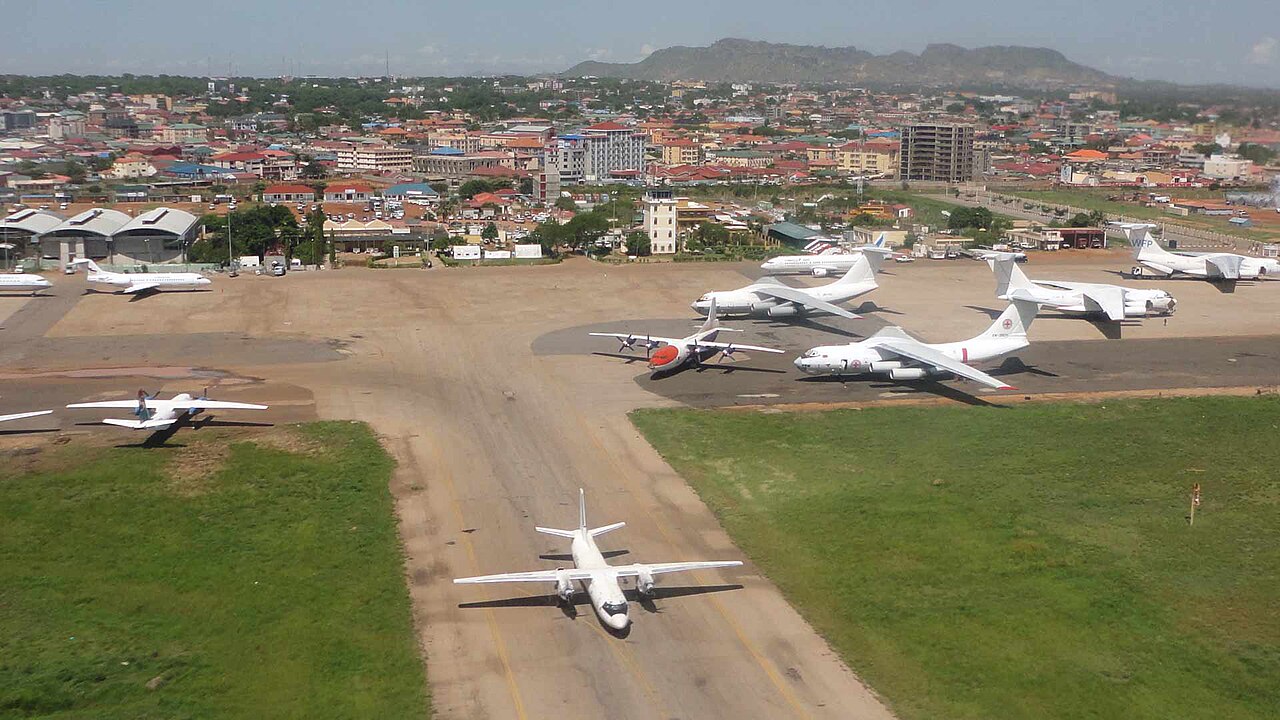
Juba International Airport in the capital, seat of the caretaker administration. (Photo: Wikimedia Commons — 'Juba-international-airport-003.jpg', CC BY-SA 4.0 via Wikimedia Commons (rights-cleared pool))
With the unity government dissolved, the legislatures closed and a caretaker administration in office, South Sudan heads toward its first vote since independence under a timetable that ends just 11 days before the transition expires.
JUBA — South Sudan is approaching its first national elections since independence in 2011 under arrangements without precedent in its short history: the transitional unity government has been dissolved, parliament is closed, and a caretaker administration appointed by the president is running the country until a new government is sworn in.
On 22 September 2026, President Salva Kiir dissolved the Revitalised Transitional Government of National Unity, the national legislature, state governments and state assemblies, removed every vice president, and named a caretaker administration. A republican order said Kiir remains president until a newly elected head of state is sworn in. The dissolution followed the adoption, on 21 September, of amendments to the National Elections Act, and earlier amendments in July that delinked the elections from the completion of a permanent constitution and a national census.
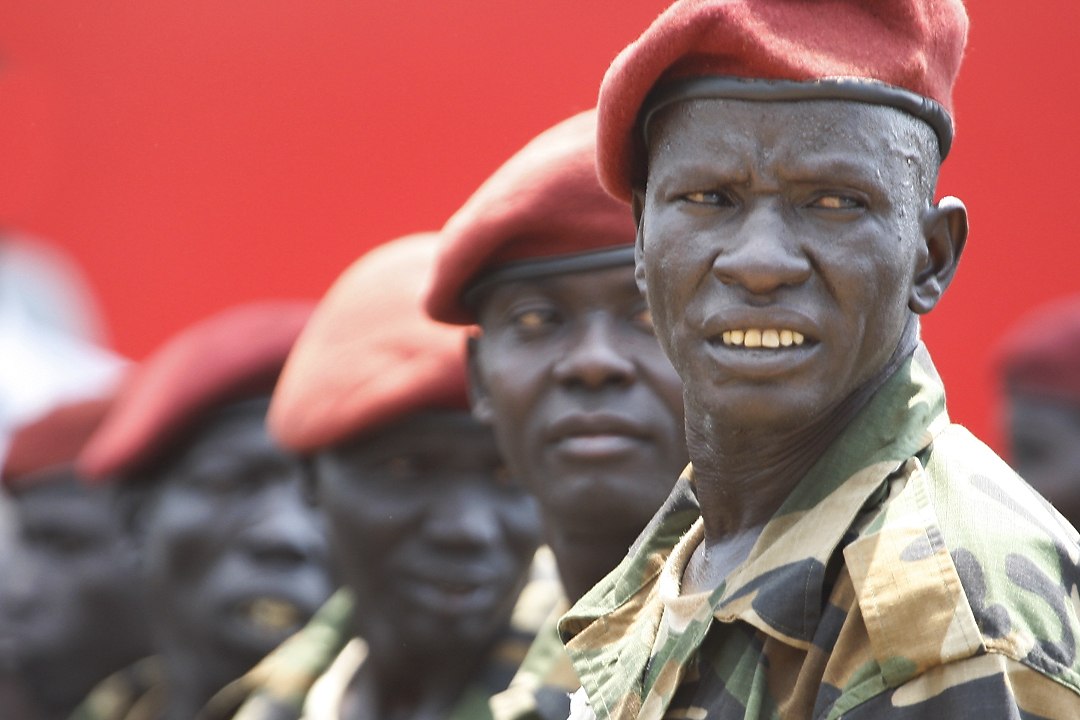
Under the peace agreement framework, a caretaker arrangement was envisaged for the final stretch before elections. What has followed, however, is a timetable under strain. The National Elections Commission's revised calendar, published on 14 November, moved polling from 22 December 2026 to Thursday, 11 February 2027 — just 11 days before the transitional period is due to end on 22 February 2027. A presidential run-off, if one is needed, is provided for by 12 April 2027, after that end date.
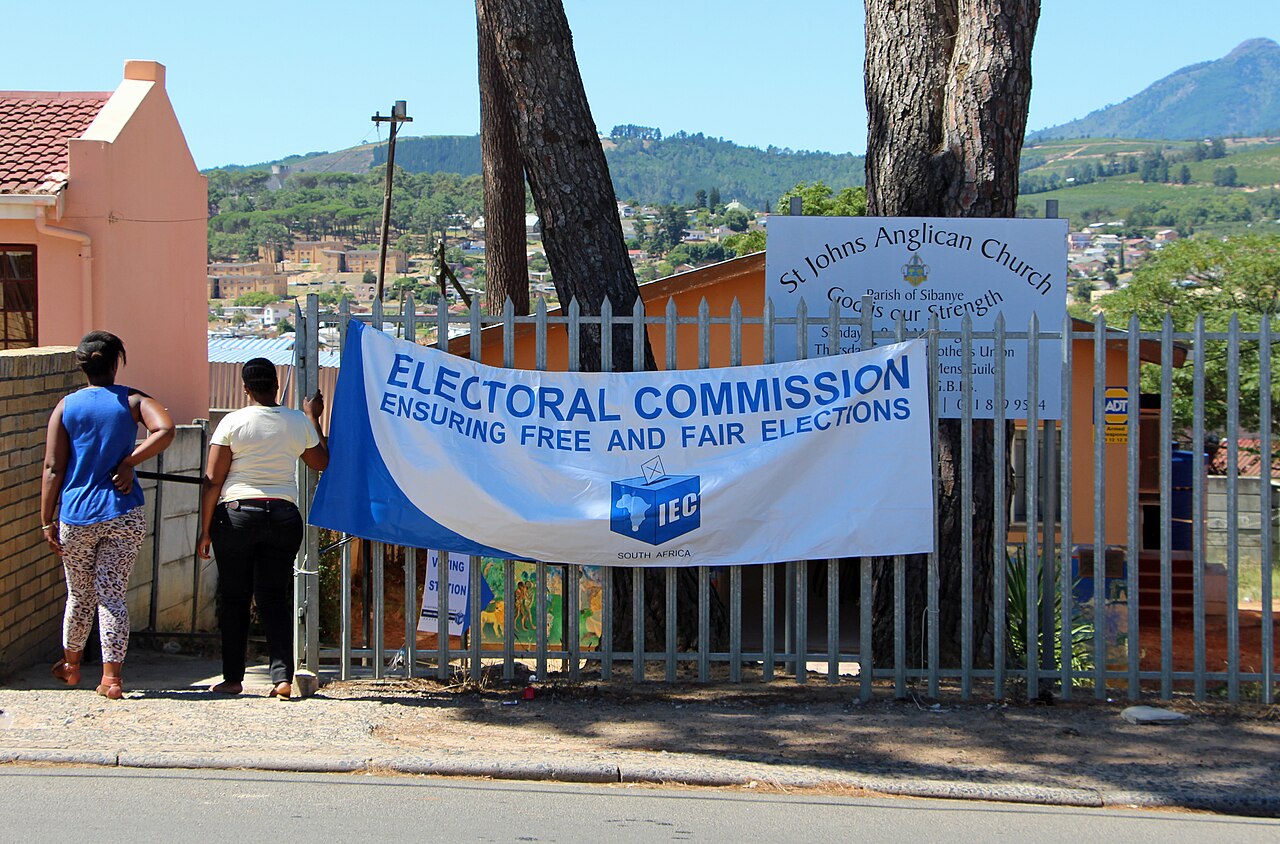
The operational challenges are stark. The UN Security Council has heard that the elections commission has received only $21 million of the $276 million it requested to organise the elections. World Bank figures cited in reporting on the process indicate that about 90 percent of South Sudanese lack state-recognised identification. The commission nonetheless says it has recruited more than 22,000 staff, and voter registration is running from 14 to 28 November at 3,161 centres.
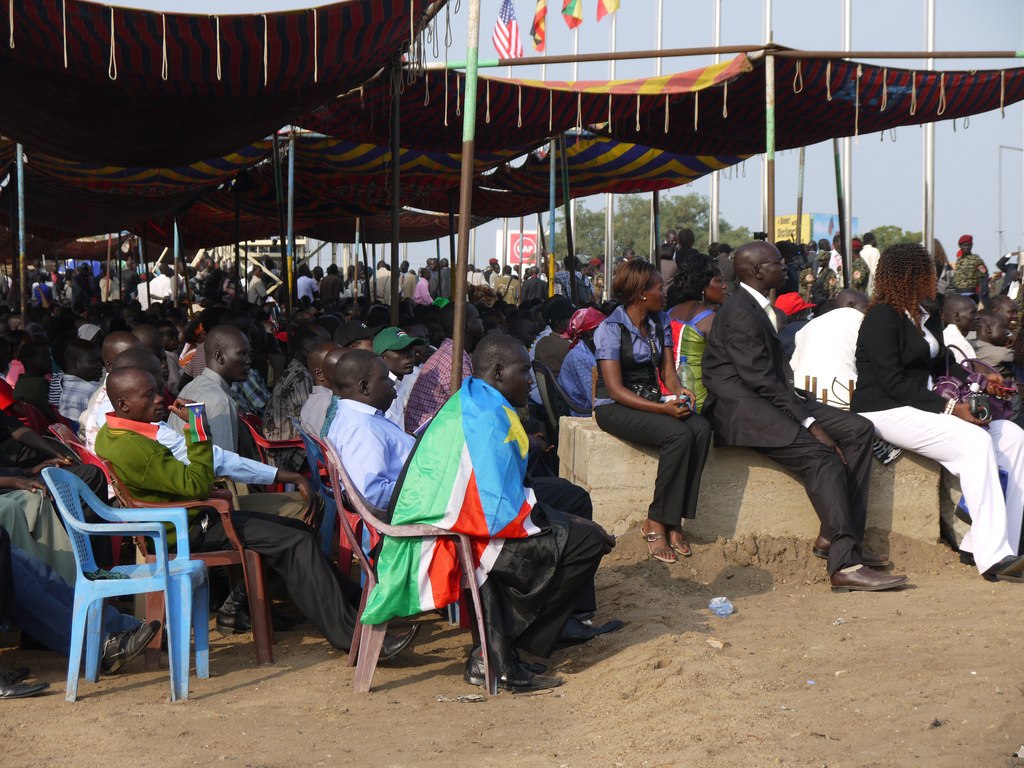
The political landscape around the vote is fractured. Former First Vice President Riek Machar has been under house arrest since March 2025 and faces trial on charges including treason and murder, which he denies. Violence has also touched the ruling party's own preparations: officials said two SPLM delegates were killed in an ambush at Miri Loko village in Western Equatoria, which the chair of the SPLM's high-level committee in the state, Deng Dau Deng, described as the third security incident aimed at party primaries there.
South Sudanese voters, for their part, have signalled readiness. Survey findings reported this month found 86 percent of respondents felt prepared to vote, 65 percent said the country was ready for elections and 63 percent wanted the December 2026 vote to go ahead — a December date that has since slipped to February.
The sequence from here is fixed on paper: a provisional register on 29 November, nominations in December, a 45-day campaign from 27 December to 9 February, polling on 11 February and final results expected in mid-February, with an election dispute window running into July 2027. Whether a state governed by a caretaker administration, without a sitting parliament, can deliver a vote whose results command general confidence is the question that will define the coming three months. (Source: Associated Press; additional reporting: Reuters)
Source: Juba Global News Network, reporting Associated Press coverage.