South Sudan Validates New Immunisation Guidelines to Protect Every Child
The Ministry of Health, with WHO support, has validated National EPI Policy Guidelines replacing the 2009 policy — a new framework for planning, financing and delivering vaccination services for all ages.
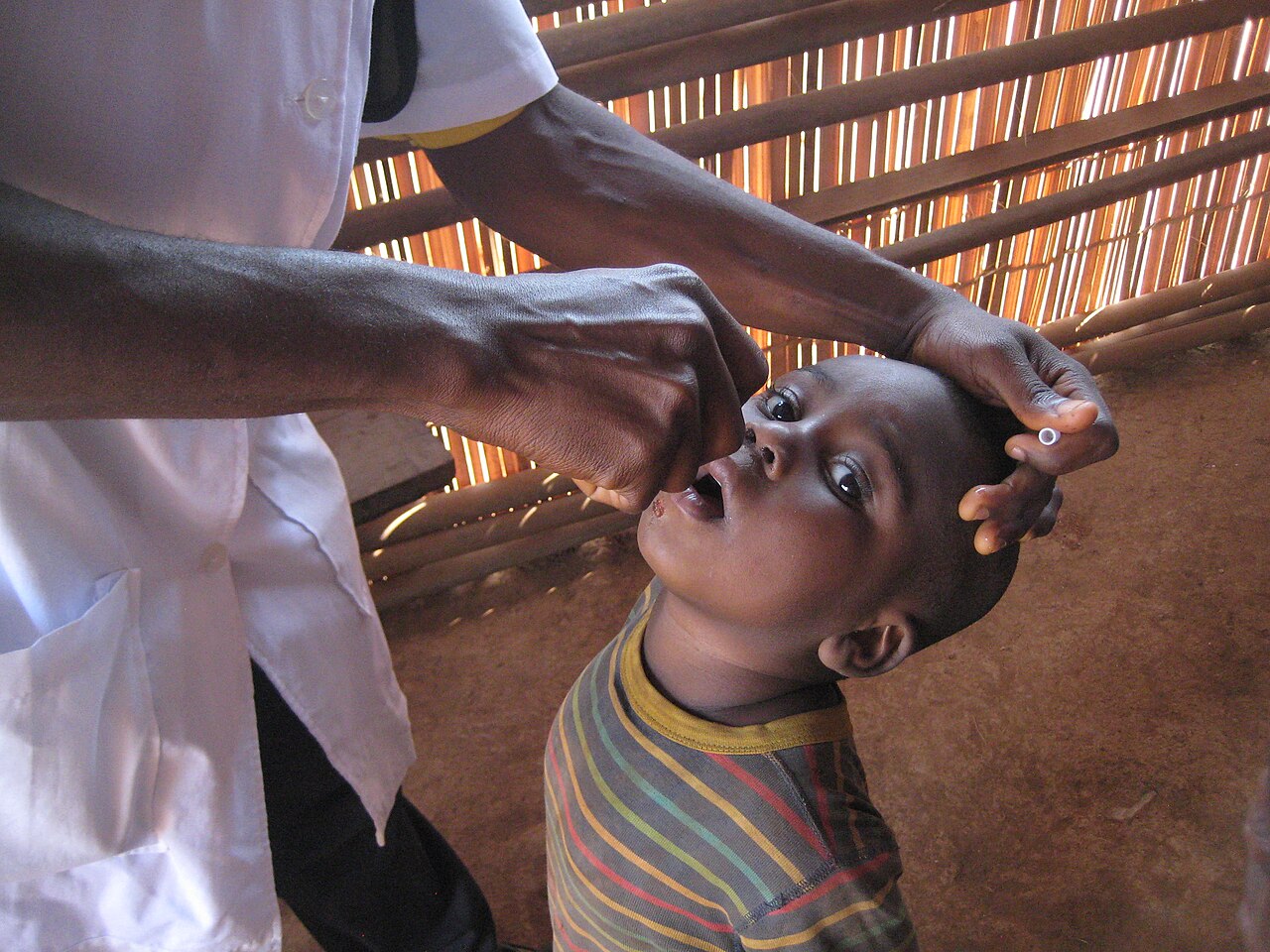
The Ministry of Health, with WHO support, has validated National EPI Policy Guidelines replacing the 2009 policy — a new framework for planning, financing and delivering vaccination services for all ages.
JUBA — South Sudan has developed and validated new National Expanded Programme on Immunization (EPI) Policy Guidelines, in what health officials describe as an important milestone in strengthening immunisation services and protecting children and communities across the country.
The document provides a comprehensive framework for the planning, governance, financing, implementation, regulation, monitoring and continuous improvement of immunisation services nationwide. It was developed by the Ministry of Health in collaboration with partners and with support from the World Health Organization (WHO), and it reaffirms the country's commitment to equitable access to safe, effective, high-quality and sustainable immunisation services for people of all ages.
The guidelines replace the 2009 National Immunization Policy. Much has changed since then: new vaccines have been introduced, vaccine science and digital health have advanced, humanitarian challenges have grown, and global commitments have evolved, including the Immunization Agenda 2030, the Sustainable Development Goals and Universal Health Coverage. The policy is aligned with the country's constitution and with key health sector documents, including the National Health Sector Strategic Plan, the Primary Health Care Strategy and the National Immunization Strategy for 2023 to 2027.
The validation comes after a period of measurable progress. In recent years South Sudan has introduced new vaccines into routine immunisation, including malaria and measles vaccines, expanded routine immunisation services, improved disease surveillance, strengthened cold chain systems and deepened collaboration with national and international partners. The malaria vaccine was added to routine childhood vaccination in July 2024, starting in the 28 counties with the highest malaria burden, and was extended to the remaining 52 counties in August 2025; it is given in four doses, at five, six, seven and 18 months.
The malaria vaccine experience shows both the progress and the unfinished work the new guidelines must address. A post-introduction evaluation published in October 2026 found that completing all four doses of the vaccine remains a challenge, particularly the final dose, which falls in a child's second year of life — long after the intensive contact with health services that surrounds birth and early infancy. Reaching children for that last dose, and for other scheduled vaccinations that fall outside the first months of life, is precisely the kind of systems problem — follow-up, records, community demand and reliable supply — that the validated framework is meant to solve.
The aims of the new policy are to strengthen governance and sustainable financing; ensure equitable life-course immunisation services; improve immunisation systems, the workforce, the supply chain, surveillance and data systems; increase vaccine demand and community participation; and promote research, innovation and evidence-based decision-making.
Dr George Awzenio Legge, the immunisation programme manager at the Ministry of Health, said the policy provides a clear vision for protecting communities against vaccine-preventable diseases, with guiding principles that include equity, accountability, community participation, evidence-based decision-making and stronger integration of vaccination services into primary health care.
Dr Mutale Nsakashalo, WHO South Sudan's health programme cluster lead, welcomed the government's commitment to improving immunisation coverage but warned that many children remain unprotected. The guidelines themselves set policy direction; turning them into higher coverage will depend on financing, supply chains and reaching underserved communities — the very systems the framework is designed to strengthen. (Source: World Health Organization — Regional Office for Africa)
Source: Juba Global News Network, reporting World Health Organization coverage.