Six Months On, Reaching Hard-to-Reach Communities Is Key to Halting DR Congo Ebola Outbreak
More than 11,000 cases and 5,400 deaths have been reported six months into the Bundibugyo Ebola outbreak in the Democratic Republic of the Congo, and agencies say conflict, displacement and late detection are still driving transmission...
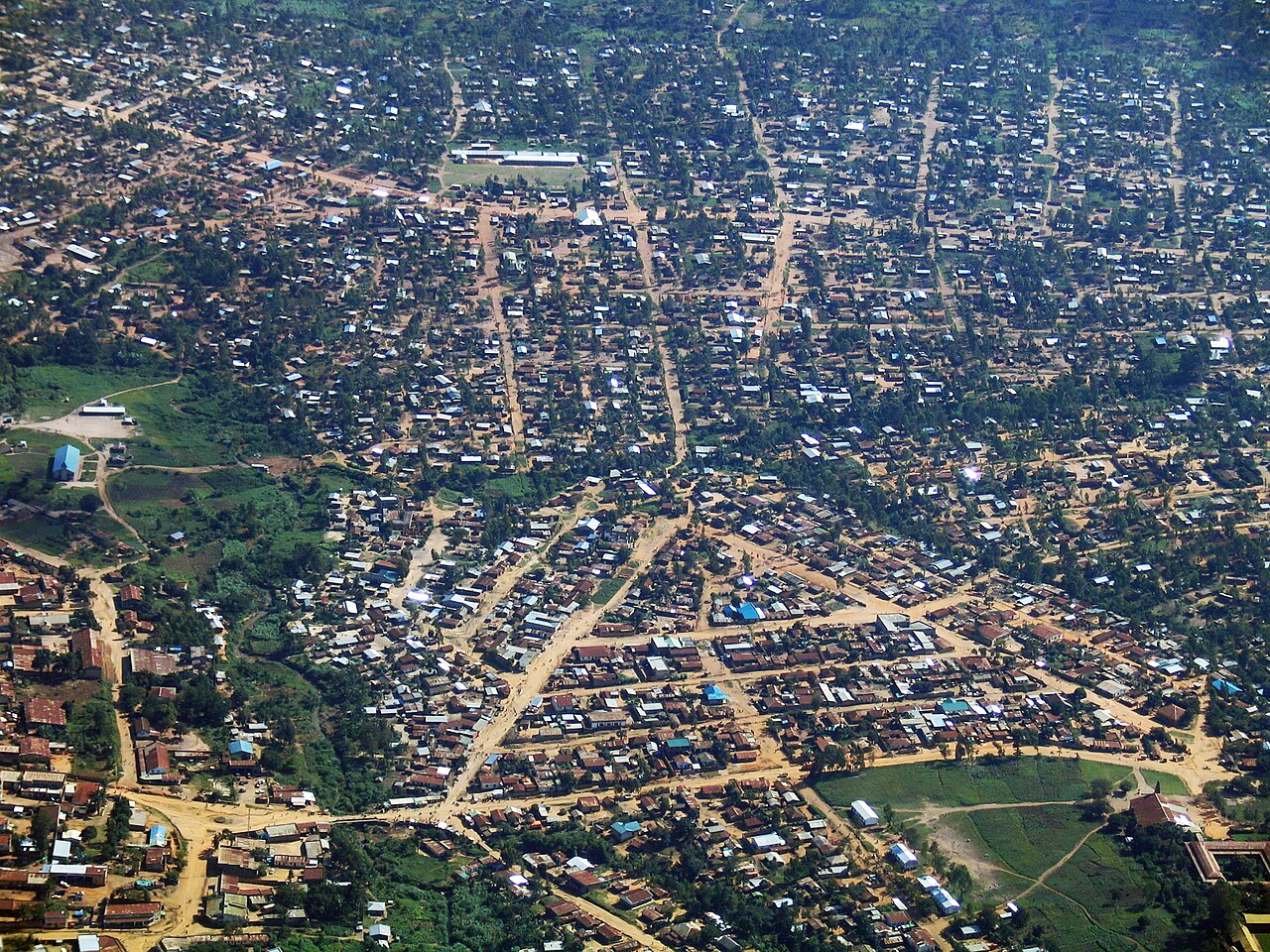
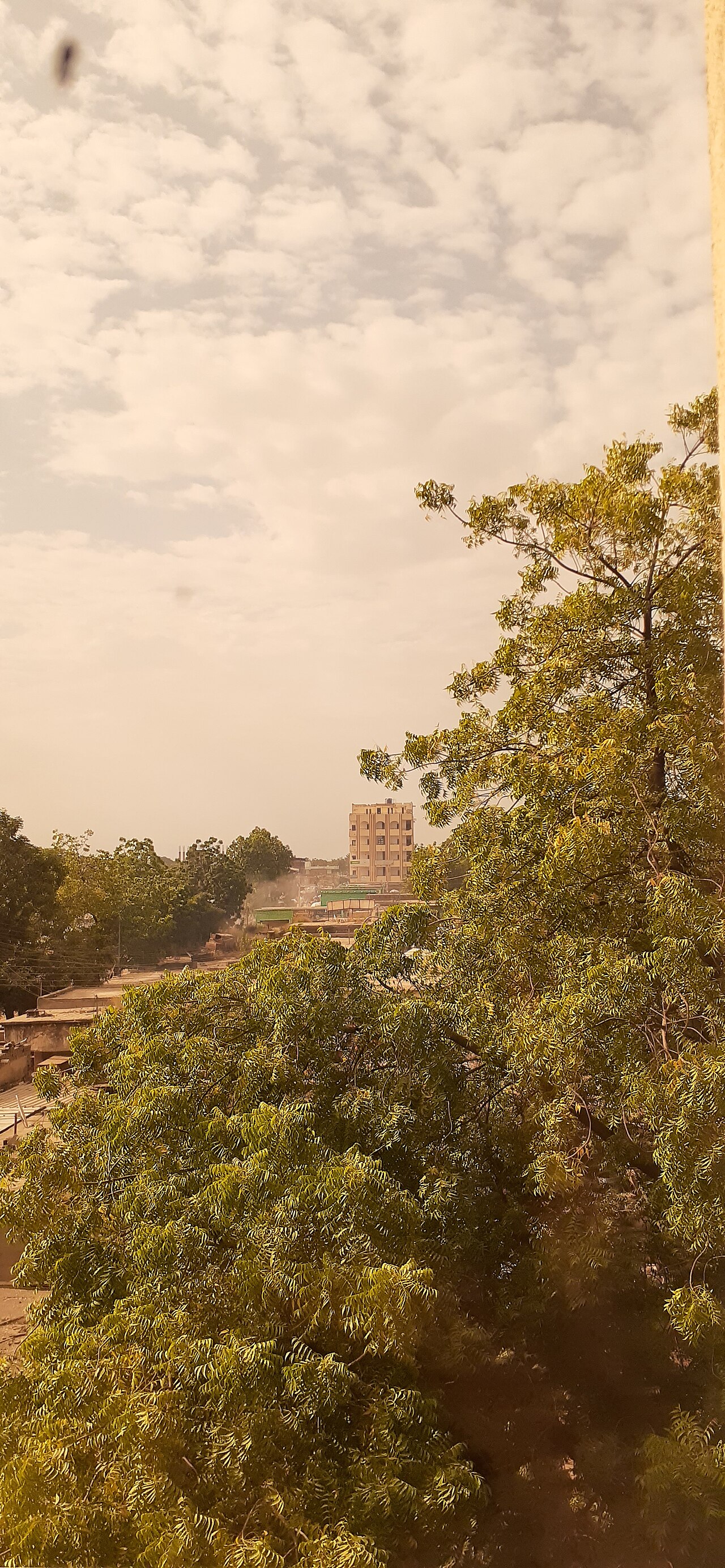
Bunia, capital of Ituri Province in the eastern DR Congo, one of the early epicentres where new Ebola cases have halved. (Photo: Wikimedia Commons)
More than 11,000 cases and 5,400 deaths have been reported six months into the Bundibugyo Ebola outbreak in the Democratic Republic of the Congo, and agencies say conflict, displacement and late detection are still driving transmission despite major gains in early epicentres.
Six months into the Ebola outbreak caused by the Bundibugyo virus in the Democratic Republic of the Congo, health agencies say significant progress has been made in bringing lifesaving services closer to affected communities, but the outbreak continues to expand. In a joint statement attributed to Africa CDC, UNFPA, UNICEF, WFP and WHO, the agencies said the response is being fuelled and frustrated at the same time by ongoing conflict, displacement and humanitarian needs across the affected areas of the east.
The scale is stark. Since the start of the outbreak, more than 11,000 cases and 5,400 deaths have been reported. While the response has slowed transmission in the initial epicentres, between 400 and 500 new cases continue to be reported each week, and the outbreak has expanded to 67 health zones in eight provinces. That weekly figure, six months in, is the clearest sign that the virus is still moving faster than the teams trying to contain it.

The pattern of deaths tells its own story. Two-thirds of confirmed deaths are occurring in communities rather than in treatment centres, which the agencies say shows that infections are still being identified too late for patients to receive timely care. Contact follow-up also remains below target, meaning that people who have been exposed are not all being found, monitored and isolated quickly enough to break chains of transmission before they pass the virus on to others.
Against that, the joint statement recorded real gains. Most of the early epicentres have been brought under control and rapid transmission has been halted, including Mongbwalu, Nyankunde, Nizi, Rwampara and Butembo. Even in Bunia, one of the larger early epicentres, new cases have halved, although significant transmission continues, and treatment centres there are reporting low occupancy. Those results show what the response can achieve where teams can reach communities consistently and safely over a sustained period.
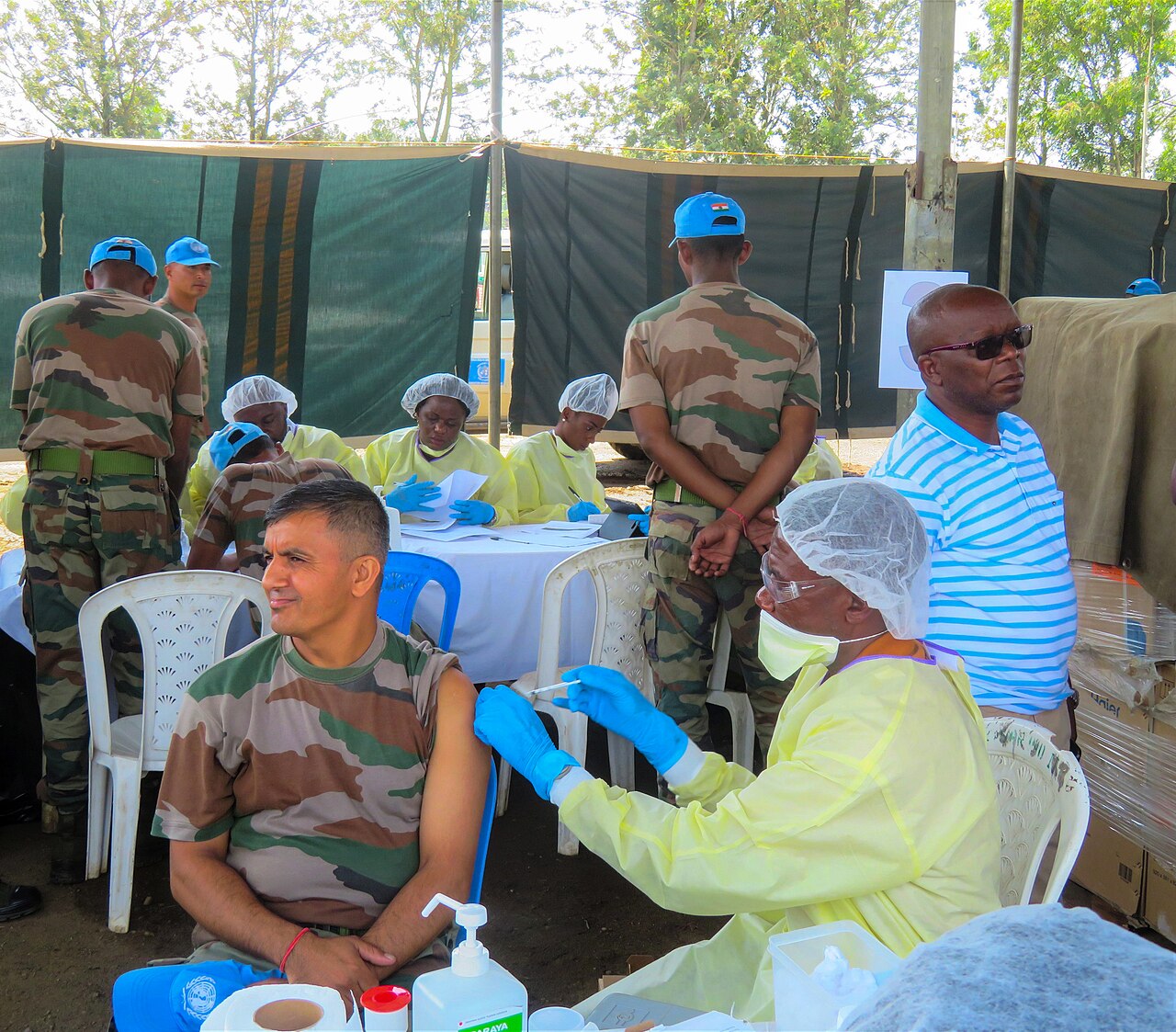
Capacity has grown dramatically. Diagnostic capacity has expanded from two laboratories to more than two dozen, and close to 2,000 treatment beds are now available in 104 treatment and transit centres. Around 3,000 people have recovered from Ebola, and about a quarter of them have enrolled in the survivor programme. More than 17,000 community health workers and 46,000 community actors have been trained and supplied, surveillance and safe and dignified burials have expanded, and almost 90 per cent of registered deaths are now managed safely.
Insecurity, however, keeps cutting across the work. The World Health Organization's Director-General told the third meeting of the IHR Emergency Committee on 17 November that insecurity is now one of the greatest obstacles to the response. He cited an attack on the town of Cantine-Aloya earlier this month that killed 66 civilians, including three health workers, looted and burned health facilities and left more than 1,000 contacts lost to follow-up, as well as the killing of a nurse responding to an Ebola alert in Tshopo province.
The agencies said the United Nations, Africa CDC, regional bodies and nearly 100 health and humanitarian partners are mobilised behind government leadership, with WHO directing the technical health response and Africa CDC and WHO co-leading the joint continental Incident Management Support Team. Their shared conclusion is simple: the tools work where they can be delivered. Halting this outbreak now depends on reaching the hard-to-reach communities where the virus still circulates unseen, and on protecting the health workers who go there. (Source: WHO / Africa CDC joint statement via UNFPA)
Source: Juba Global News Network, reporting WHO / Africa CDC coverage.