'Hunger Should Not Be a Concern': WFP Steps In for Families Who Fled Ethiopia Violence to Kenya
The World Food Programme is feeding thousands of families who crossed from Ethiopia into Kenya's Moyale area after inter-communal clashes erupted on 22 October, with roughly 30,000 people now sheltering with host families, in schools and in...
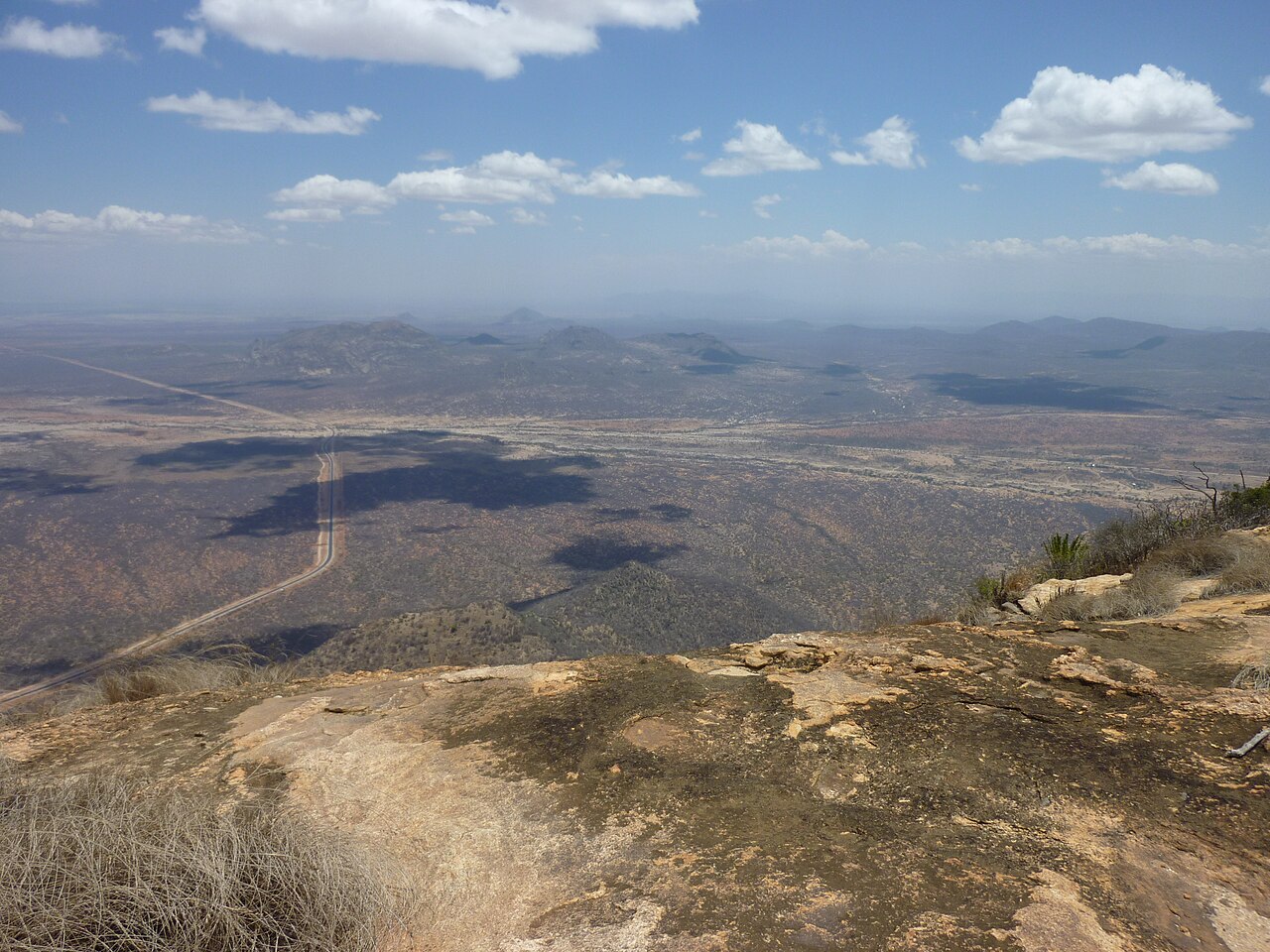
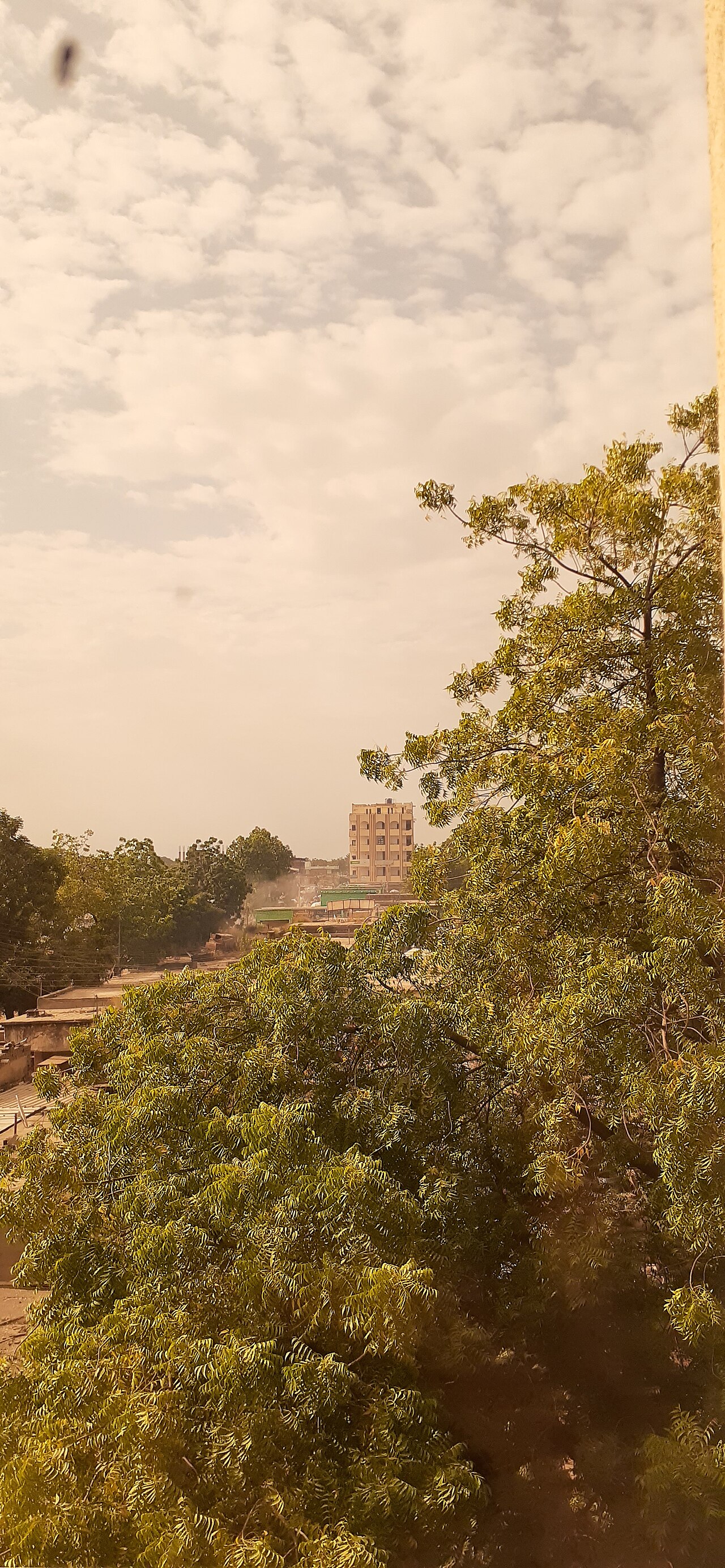
The Marsabit-Moyale road in northern Kenya, the route into the border town where families who fled Ethiopia are sheltering. (Photo: Wikimedia Commons)
The World Food Programme is feeding thousands of families who crossed from Ethiopia into Kenya's Moyale area after inter-communal clashes erupted on 22 October, with roughly 30,000 people now sheltering with host families, in schools and in communal centres.
The World Food Programme has stepped in to feed thousands of families who fled recent violence in Ethiopia for the Moyale area of neighbouring Kenya, the United Nations agency reported on Tuesday 17 November. Roughly 30,000 people crossed the border following inter-communal clashes last month, according to UN News, and are now staying with relatives and host families, or sheltering in schools and communal centres in northern Kenya while they wait to learn whether it is safe to go home.
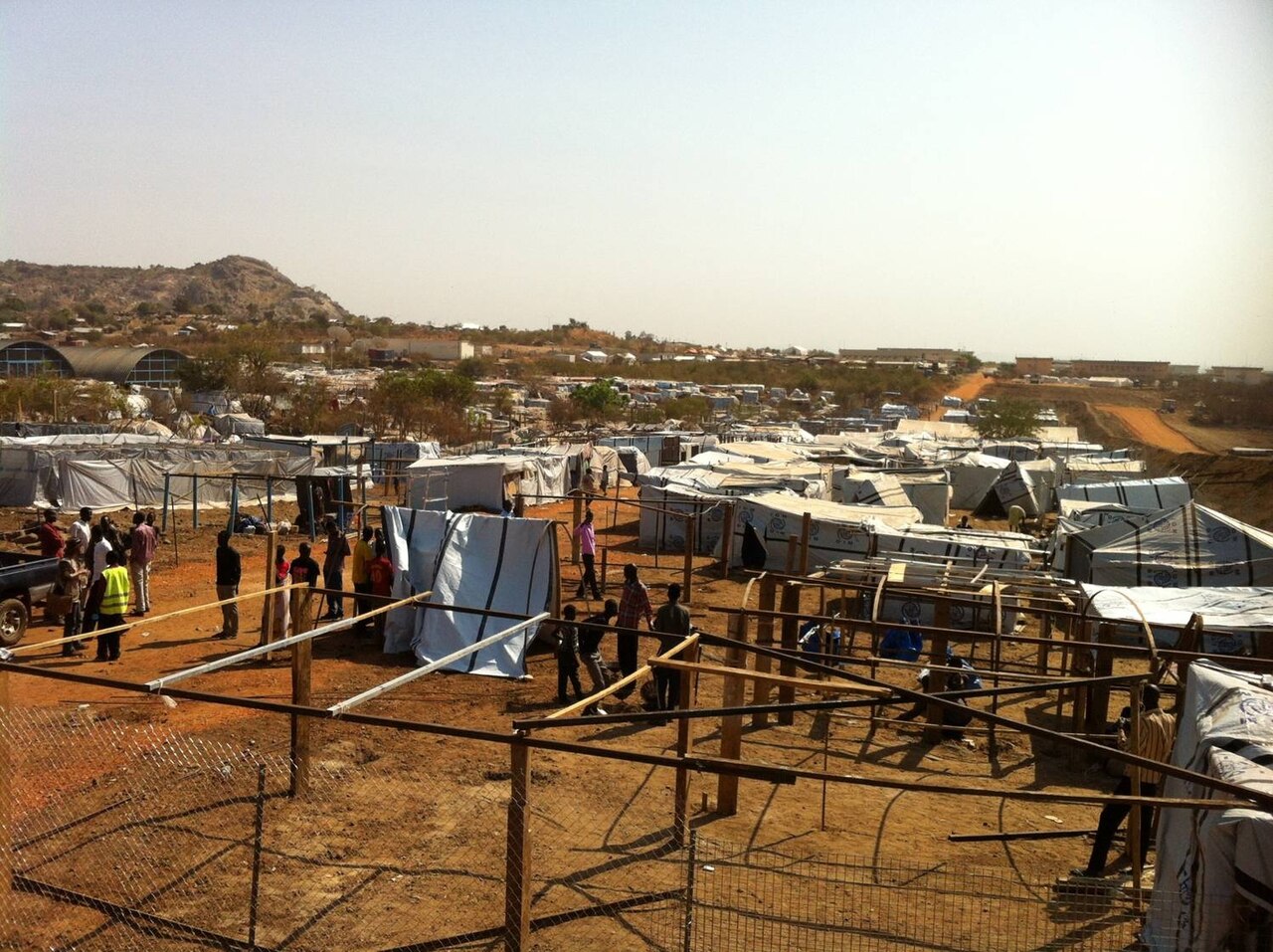
Moyale is a town that straddles the border between southern Ethiopia and northern Kenya, with the Kenyan side lying in Marsabit County. The crisis erupted on 22 October on the Ethiopian side of the town, in territory shared by two Ethiopian states, Oromia and the Somali Region. When the clashes began, families left quickly, and many arrived in Kenya carrying very little, dependent from the first day on the generosity of the communities that received them.
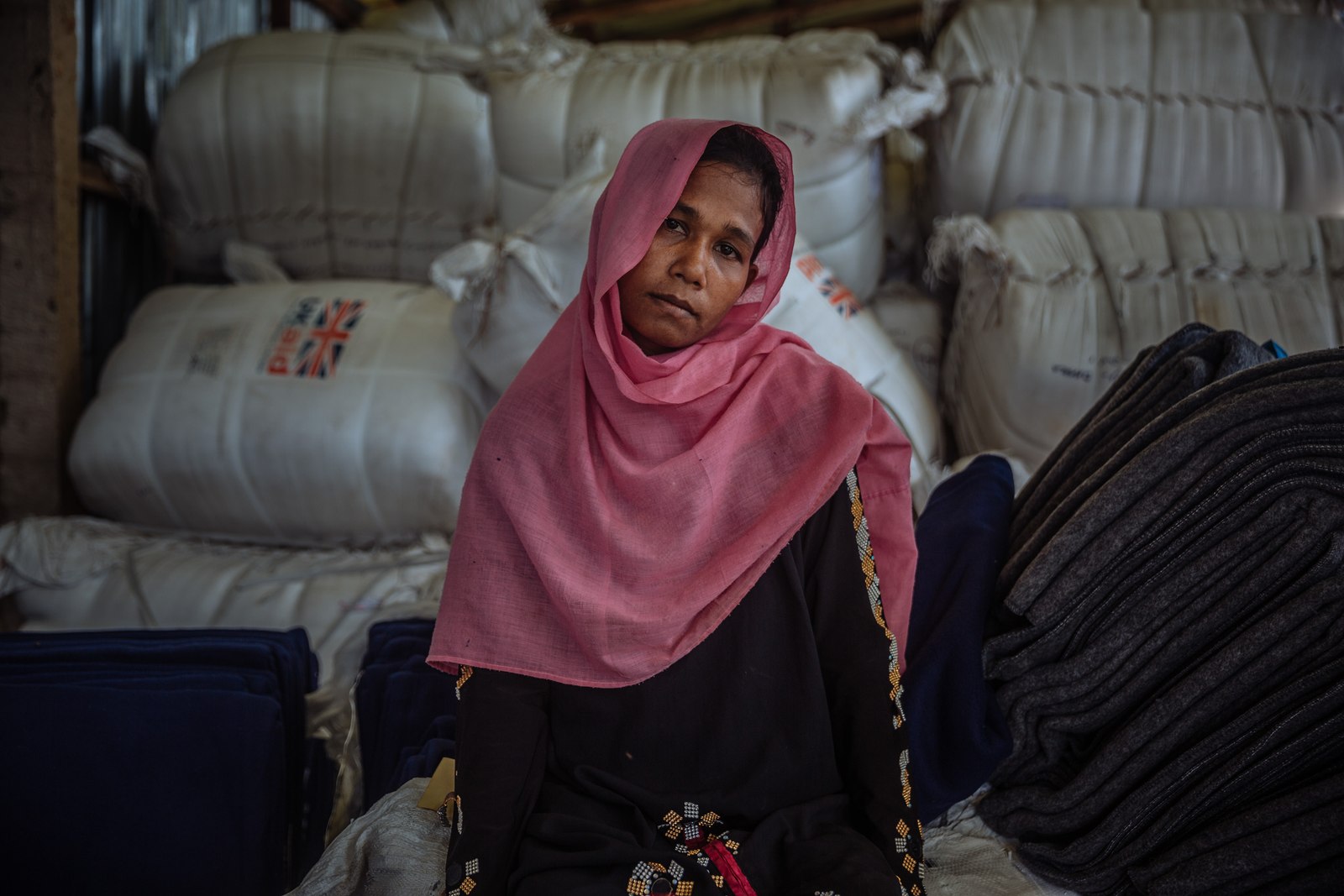
"Many have left behind their homes, their livelihoods and everything they know. They have arrived with little more than what they could carry, seeking one thing above all, safety," said Betty Ka, the WFP Country Director in Kenya, who was recently in Moyale to see the response at first hand. Her words underline the speed of the displacement: homes, farms, livestock and businesses were abandoned as people crossed the border in search of protection for their children and elderly relatives.
WFP began providing emergency food assistance to the new arrivals on 11 November, working with the Government of Kenya, the Kenya Red Cross Society and other humanitarian partners. Families who are staying with host communities are receiving dry food rations of sorghum, yellow split peas and vegetables, which they can cook where they are sheltering. Food supplies are also being distributed so that hot meals can be provided for people staying in communal centres, where cooking for oneself is harder.

"For families who have already lost so much, hunger should not be a concern," Ms Ka said. "At a time of such uncertainty, access to food is more than an immediate need. It is a source of stability, dignity, and hope." That framing matters in Moyale, where the arrivals are not in a single fenced camp but spread through a border town whose own residents are sharing homes, classrooms and public buildings, stretching local food stocks and water supplies as the weeks pass.
Other humanitarian reporting from Moyale points to needs well beyond food. Plan International, which has deployed response teams in the town, said on 18 November that displaced families are also struggling to access clean water, adequate shelter, healthcare, protection and psychosocial support, and that food shortages are a growing concern. An assessment cited by humanitarian partners found that 71 per cent of surveyed households reported they did not have enough to eat, and identified food as their most urgent need.
WFP said it mobilised its own internal resources to fund the initial response, a step that allowed distributions to start on 11 November without waiting for new donor pledges. But the agency stressed that additional funding will be needed if the displacement continues or if humanitarian needs increase. For now, the dry rations and hot meals are keeping hunger at bay in Moyale. Whether they can continue at the same scale will depend on money arriving before the emergency deepens further. (Source: UN News / World Food Programme)
Source: Juba Global News Network, reporting UN News / World Food Programme coverage.