Machar tells special court disagreements over Nasir force rotation disrupted deployment plans
Former First Vice President Dr Riek Machar has told the court that disagreements over force deployment disrupted plans to rotate SSPDF troops in Nasir before the March 2025 violence.
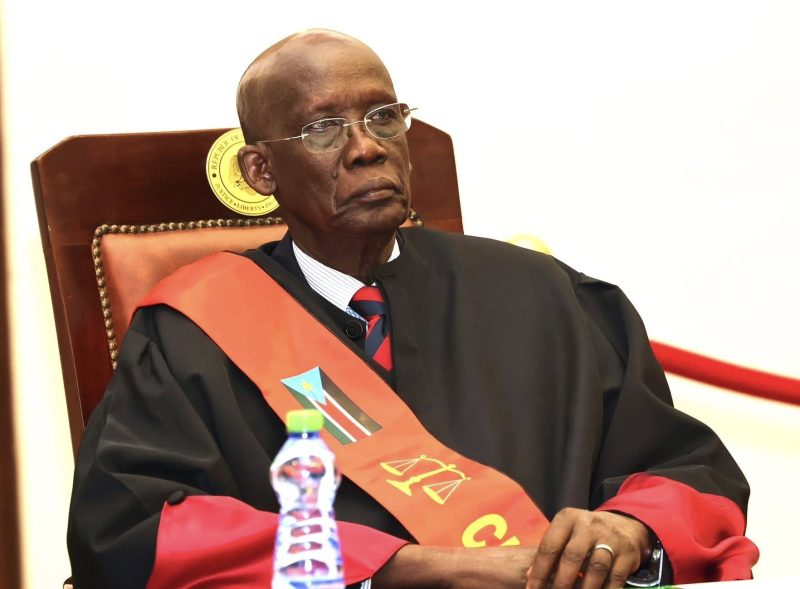
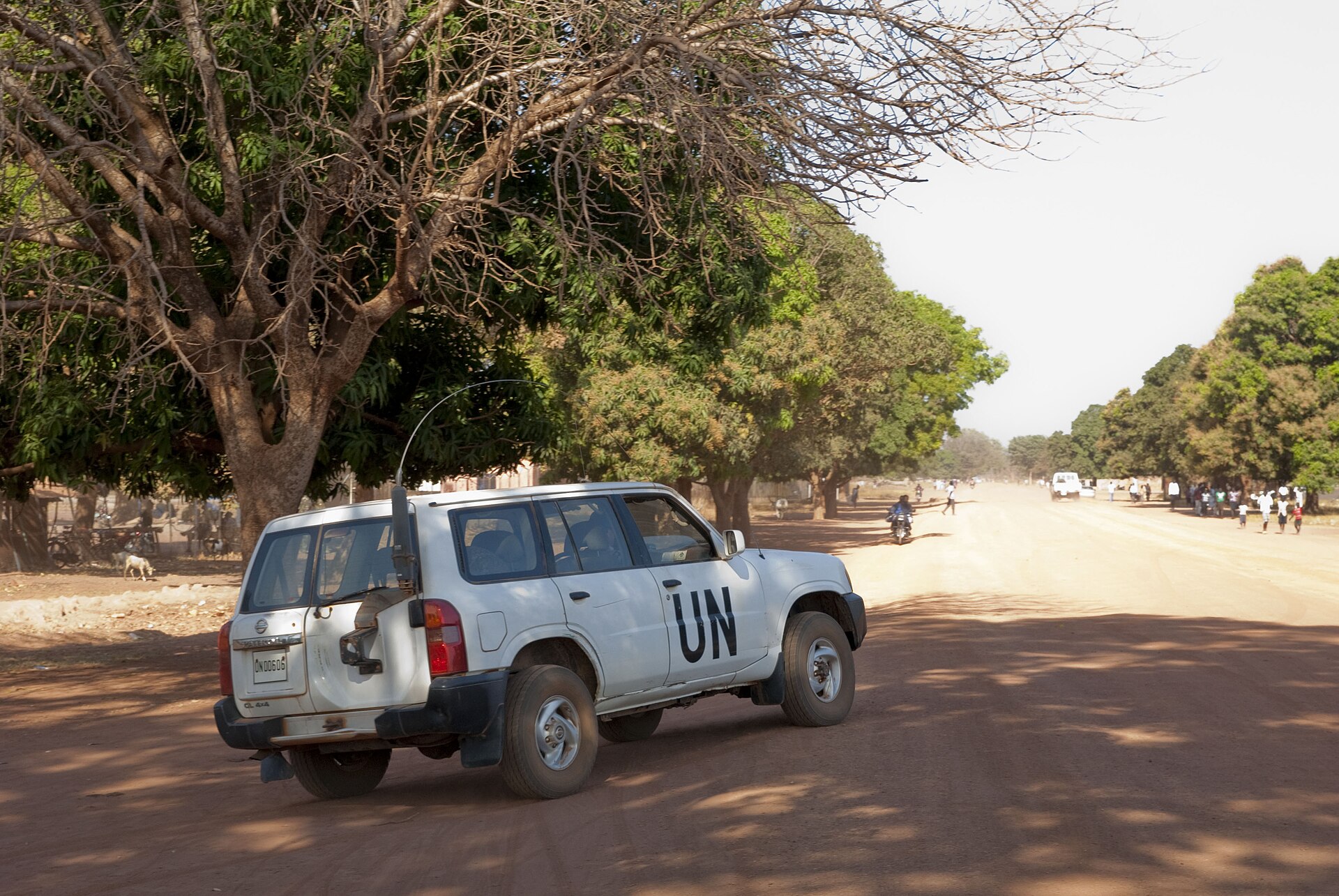
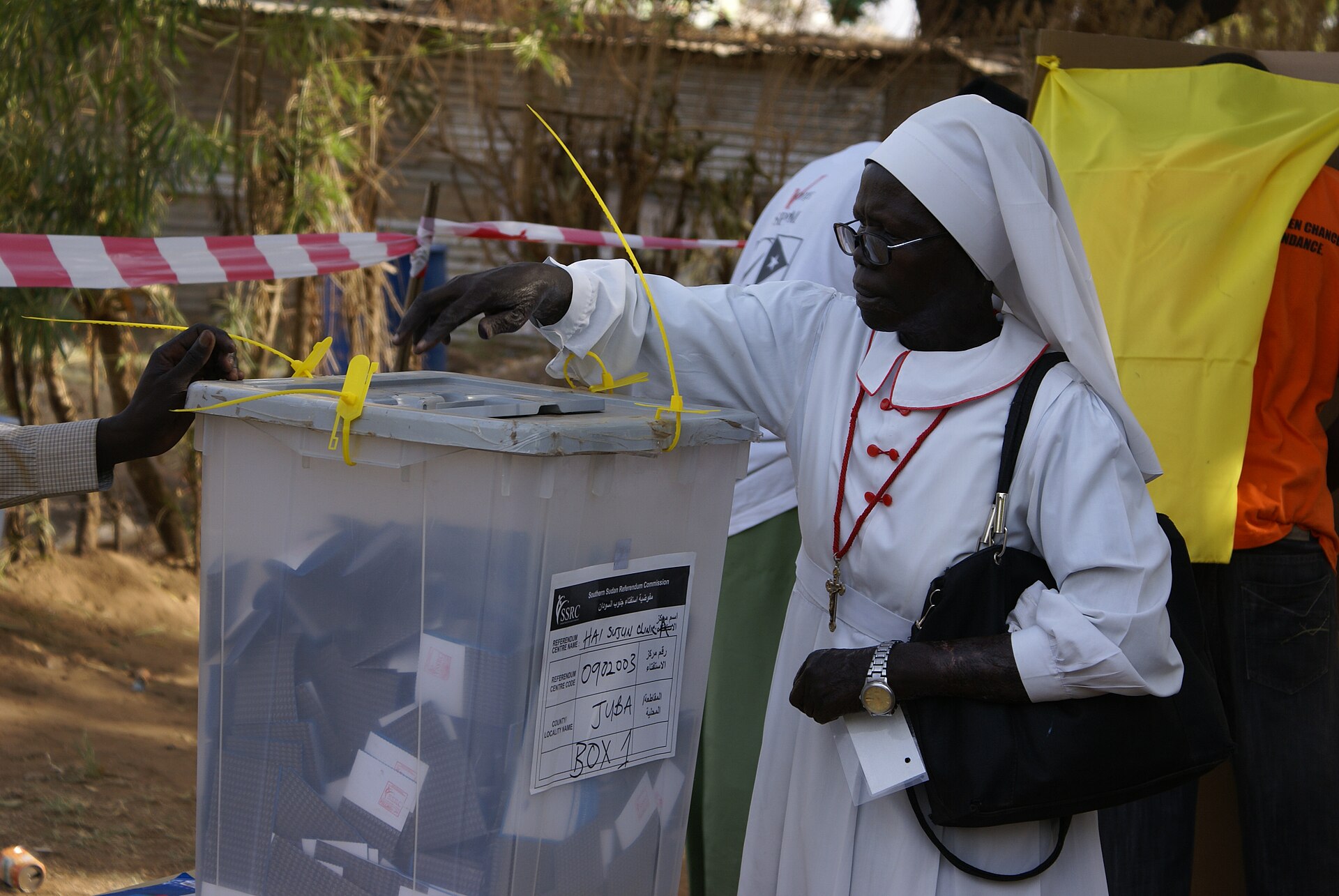
Juba, where the special court proceedings are being heard. (Photo: rights-cleared pool via image search — see edition manifest)
Former First Vice President Dr Riek Machar has told the court that disagreements over force deployment disrupted plans to rotate SSPDF troops in Nasir before the March 2025 violence.
JUBA — The former First Vice President, Dr Riek Machar, has told the special court that disagreements over force deployment disrupted plans to rotate South Sudan People's Defence Forces troops in Nasir before the March 2025 violence, according to court reporting in Juba on Friday.
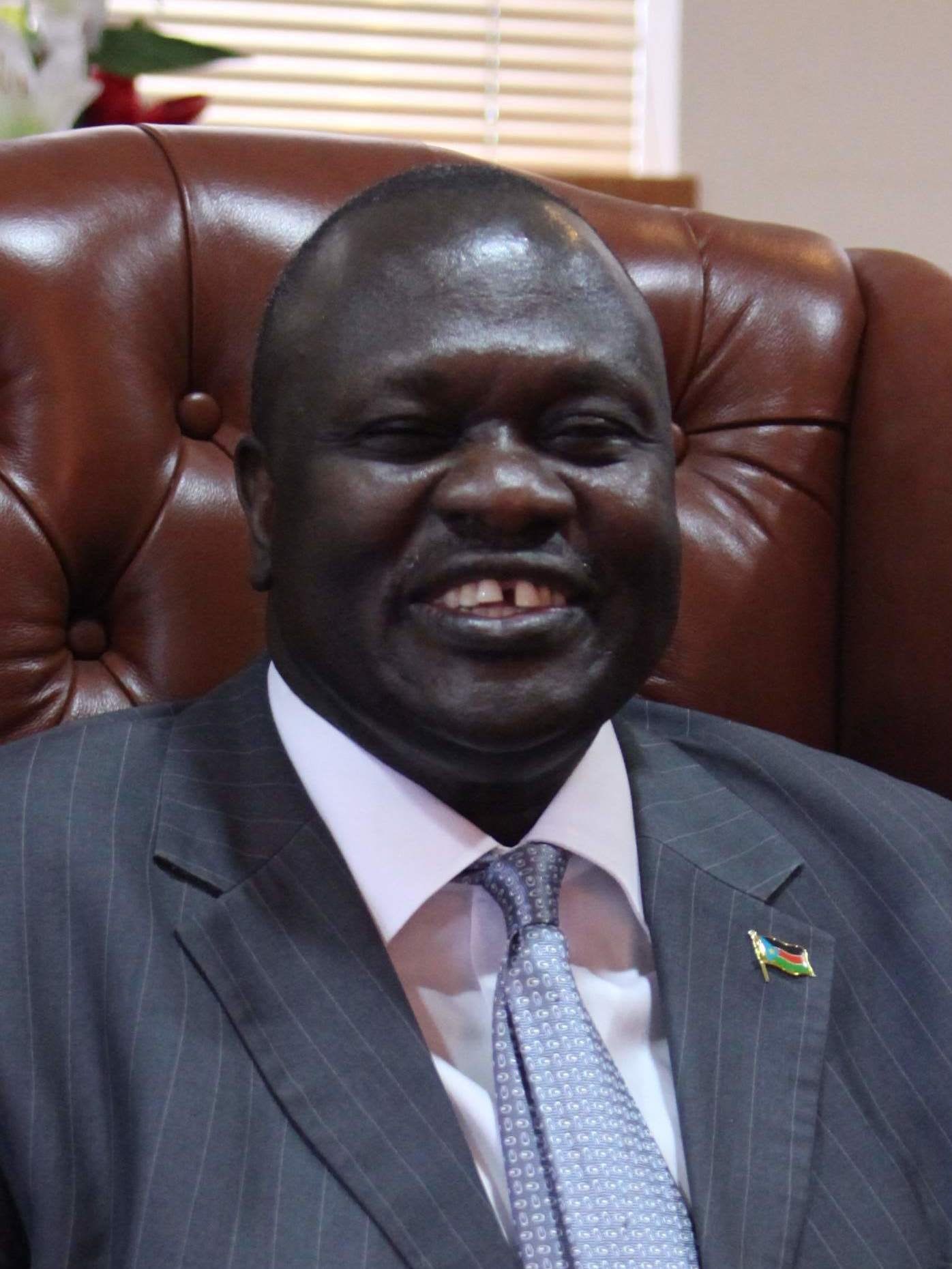
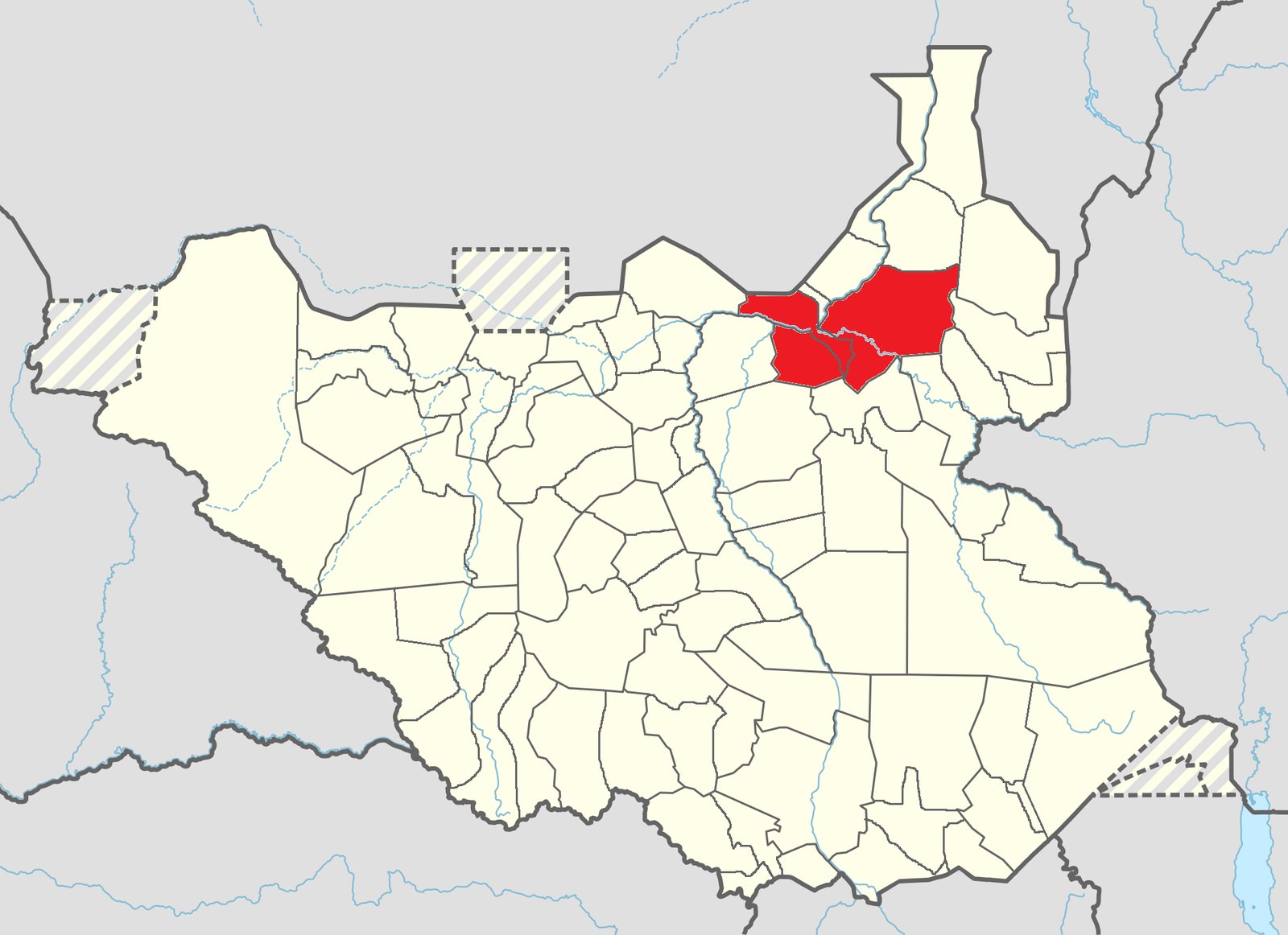
The evidence goes to the heart of the sequence of events in Upper Nile State in early 2025, when clashes around Nasir escalated into a national political crisis. How a planned rotation was discussed, agreed or disputed between the parties is one of the factual questions the court is working through, testimony by testimony.
Force rotation sounds administrative, but in a country where the peace agreement's security arrangements remain incomplete, moving troops in and out of a tense town is a political act as much as a military one. Who commands, who is replaced, and which community reads the movement as protection or as threat — these questions decide whether a rotation calms a town or ignites it.
The proceedings are being followed closely because they test whether South Sudan's courts can handle the most sensitive political questions of the transition in open process, with evidence tested in public. For families in Nasir and for displaced people still waiting to go home, the court's findings will matter long after the headlines move on.
Juba Global News Network reports court proceedings from verified reporting only, attributes claims to those who make them, and does not treat testimony as proven fact until the court itself decides.
Source: Juba Global News Network, reporting One Citizen Daily Newspaper coverage.