Museveni and Tanzania's Suluhu Launch $30 Million Truck Assembly Plant in Mpigi
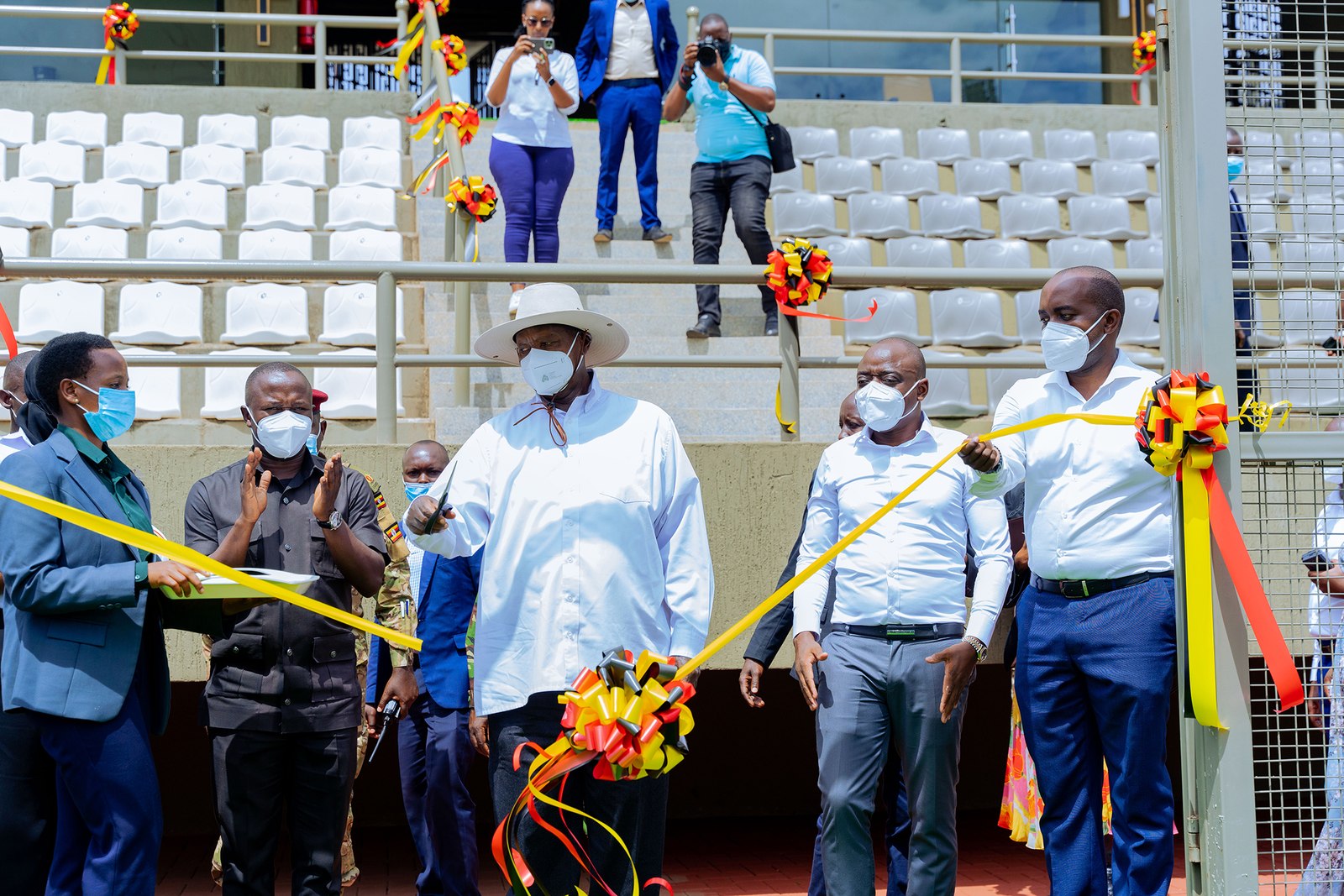
Presidents Yoweri Museveni and Samia Suluhu Hassan opened Double Q Automotive's plant in Nakirebe, Mpigi District, which can assemble 4,000 Sinotruk trucks a year and directly employs more than 1,200 Ugandans.
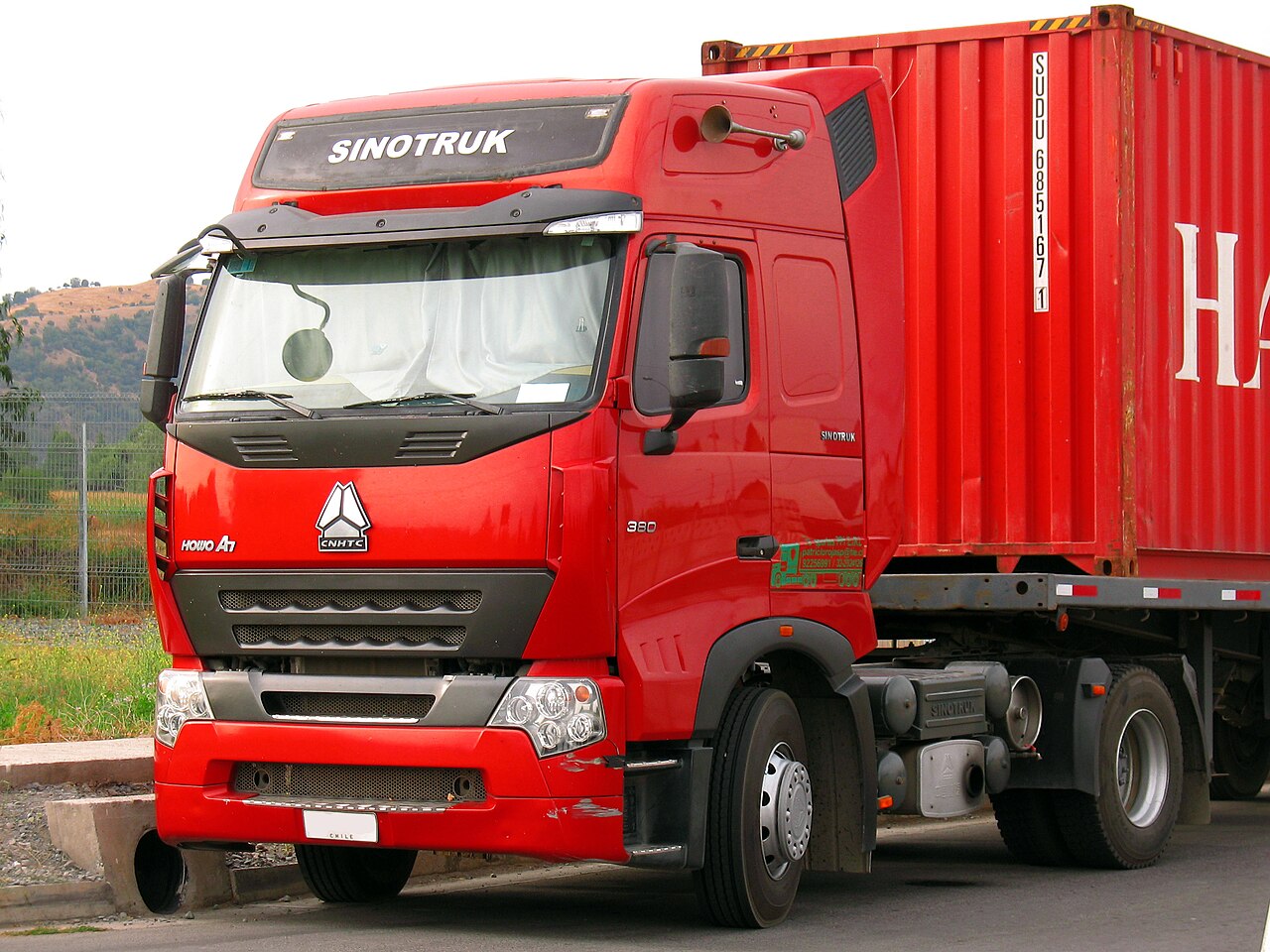
A Sinotruk Howo heavy-duty truck — the Mpigi plant assembles Sinotruk trucks, with annual capacity of 4,000 vehicles. (Photo: Wikimedia Commons — Sinotruk Howo A7, CC BY 2.0 (Flickr))
Presidents Yoweri Museveni and Samia Suluhu Hassan opened Double Q Automotive's plant in Nakirebe, Mpigi District, which can assemble 4,000 Sinotruk trucks a year and directly employs more than 1,200 Ugandans.
President Yoweri Museveni and his Tanzanian counterpart, Samia Suluhu Hassan, have launched a 30-million-dollar vehicle assembly plant in Nakirebe, Mpigi District, in a ceremony that closed President Suluhu's two-day state visit to Uganda. The Double Q Automotive Assembly Plant, built on 45 acres of independently acquired land, assembles Sinotruk heavy-duty trucks and represents the GMC and XCMG brands in Uganda. It has an annual assembling capacity of 4,000 trucks, and officials said it directly employs more than 1,200 Ugandans. Both presidents presented the launch as a step towards regional industrialisation rather than a purely national project.
Speaking at the launch, President Museveni thanked Double Q Automotive and its Chinese partners for investing in Uganda, and urged them to strengthen the link between vehicle assembly and local steel production so that more value is created inside the country. He noted that the facility was already undertaking vehicle body-building operations contributing approximately 20 per cent in local value addition, and welcomed plans to progressively incorporate locally manufactured steel and other materials. Uganda's iron ore deposits, he argued, offer an opportunity to build a domestic steel industry that supplies manufacturers, reduces reliance on imported components and keeps more value in the economy.
Museveni placed the plant in a wider regional argument. Tanzania has natural gas, Uganda has iron ore, and other neighbours have other products, he said; used together rather than in a fragmented way, those resources make better business. He identified natural resources, production, markets and communication as critical pillars of economic transformation, and said Africa must overcome fragmented markets and embrace economic integration. This is not just music, he said; it is showing the future, and those who want to succeed need a united market for Africa. He also encouraged more Chinese companies to invest, noting that Africa's population of about 1.5 billion is projected to reach 2.5 billion within 30 years.
President Suluhu described the plant as an important milestone in Uganda's industrialisation journey and congratulated the government for supporting domestic manufacturing initiatives such as Double Q Automotive and Kiira Motors. Industrialisation, she said, is no longer merely an economic option but a necessity for transforming African economies through jobs, value addition, technology transfer, export growth and reduced dependence on imported manufactured goods. She urged East African Community states to move from predominantly agricultural economies towards industrial production while modernising agriculture to supply raw materials for manufacturing. Let us turn from being consumers of imported goods to regional production and marketing hubs, she said.
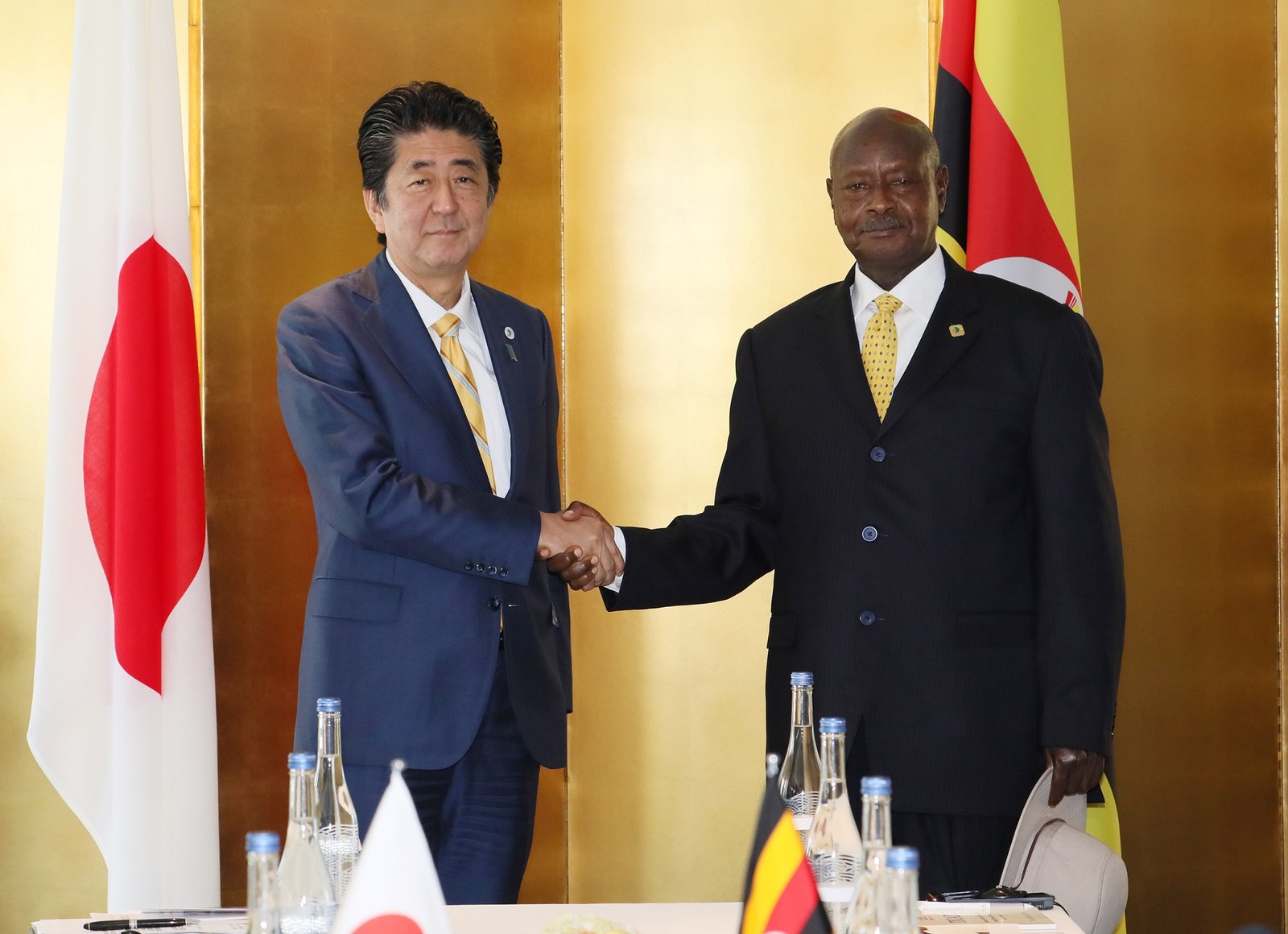
She also cautioned against unnecessary competition between East African countries building similar industries, calling instead for complementary industrial policies and harmonised regulations on vehicle assembly that would create a stronger market for locally made products. Sinotruk operations exist in both Uganda and Tanzania, she noted, and should be viewed as opportunities for cooperation rather than rival ventures: East Africa must compete with the world, not within itself. Suluhu revealed that Tanzania is exploring partnerships to establish a railway locomotive manufacturing plant, and cited the Port of Dar es Salaam, which handled about 33 million tonnes of cargo in 2026, as evidence of growing regional demand for transport capacity.
The employment figures were set out by Works and Transport Minister Fred Byamukama, who said the lowest-paid employee at the plant earns approximately 800,000 shillings a month and that many workers gained practical skills through government skilling programmes and on-the-job training. He said the government is engaging Double Q on expansion beyond assembly into manufacturing, including a proposed tyre production facility at Kayunga Industrial Park. Double Q managing director Lin Yu said the company began in Uganda in 2013, became an official Sinotruk distributor in 2017, started local assembly in 2020 and has since assembled more than 5,000 trucks through its Ugandan operations.
Chinese Ambassador Wu Guangrong said the presence of both presidents demonstrated commitment to industrial development and regional cooperation, and reaffirmed China's commitment to industrial and skills cooperation with Uganda. Sinotruk International general manager Song Yang projected more than 360,000 heavy-duty trucks produced and sold globally in 2026, about 110,000 of them destined for African markets. (Source: State House Uganda)
Source: Juba Global News Network, reporting State House Uganda coverage.