Kenya's Oldest Geothermal Station Roars Back: Olkaria I Restored With More Power After Three-Year Rebuild
KenGen has completed the rehabilitation of Olkaria I, the geothermal power station first commissioned in 1981, lifting its capacity from 45 megawatts to 63.3 megawatts and extending the life of Africa's oldest geothermal plant by more than...
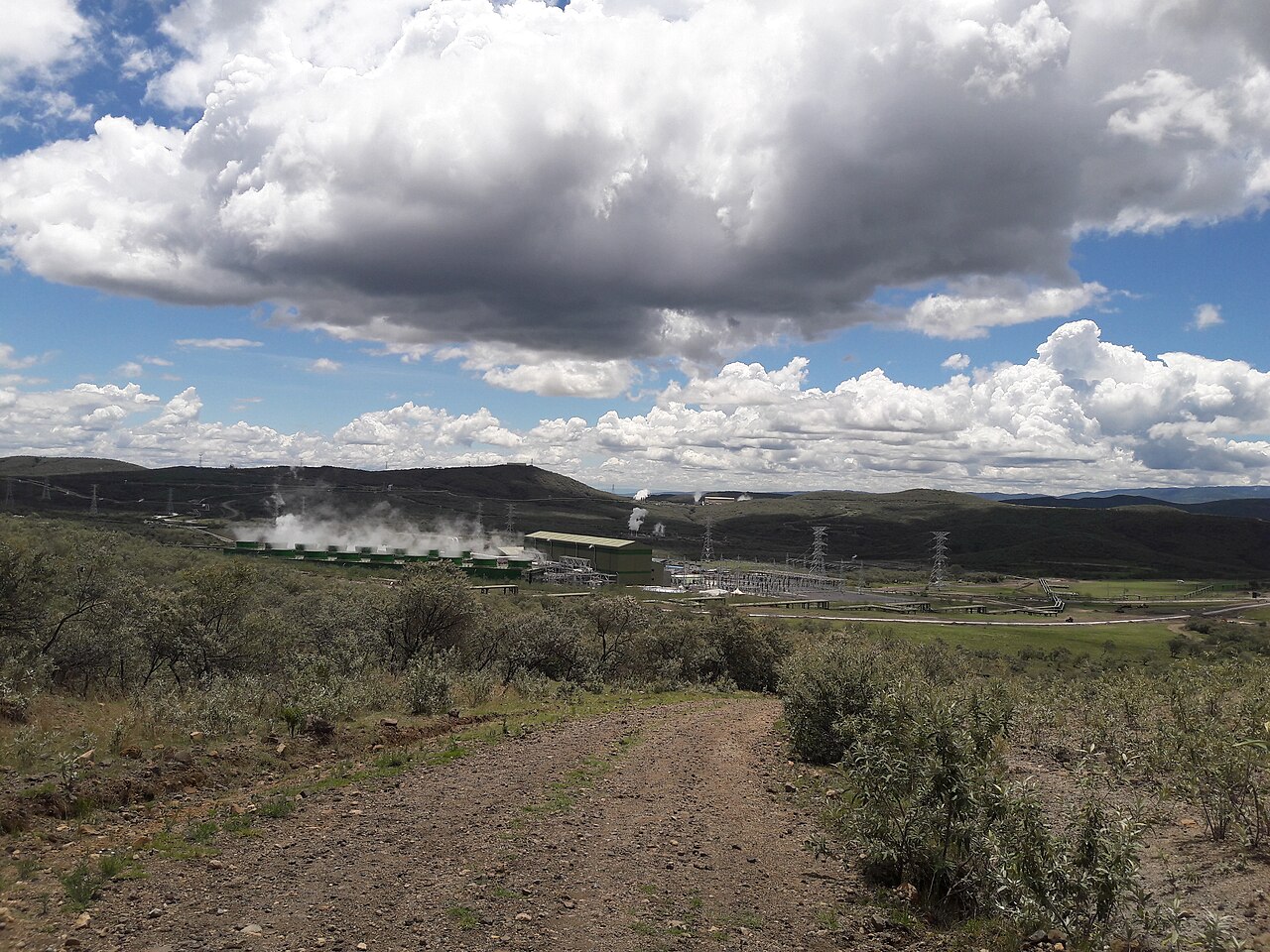
KenGen has completed the rehabilitation of Olkaria I, the geothermal power station first commissioned in 1981, lifting its capacity from 45 megawatts to 63.3 megawatts and extending the life of Africa's oldest geothermal plant by more than 25 years.
NAIVASHA — Kenya's oldest geothermal power station has been brought back to life. The Kenya Electricity Generating Company (KenGen) has completed a three-year rehabilitation of Olkaria I, increasing its generating capacity from 45 megawatts to 63.3 megawatts and restoring an additional 18.3 megawatts of reliable power to the national grid as demand from households, businesses and industry continues to grow.
KenGen Managing Director Peter Njenga announced the completion on 25 November in Naivasha, Nakuru County. The plant, which was commissioned in 1981 and became the first geothermal power station in Africa, had been shut down in 2023 to allow extensive rehabilitation of its ageing equipment. Original components of the 45-year-old facility had become increasingly difficult to source and maintain, making a comprehensive rebuild the practical path to keeping the station in service.
The rehabilitation, in which KenGen invested approximately Sh15.6 billion, replaced the heart of the power station rather than building a new one. Ageing turbines and generators across the plant's three generating units were replaced, alongside improvements to the steam-gathering system, separators, control valves, condensers, pumps and cooling infrastructure. China's SEPCOIII served as engineering and construction contractor, while Japan's Toshiba Energy Systems supplied the new turbines and generators.
The restored plant is now undergoing reliability tests ahead of its official commissioning, which is scheduled for 7 December. The completion of the works therefore marks the end of the rehabilitation itself, with formal commissioning to follow once testing confirms that all three rebuilt units can run steadily at their new, higher output.
KenGen says the upgrade is expected to extend the operating life of the three units by more than 25 years — in effect, giving a station that began generating when Kenya's geothermal industry was in its infancy a second working life well into the middle of this century. Notably, the extra capacity was achieved without drilling new wells, by redesigning how steam is gathered and converted within the existing site in the Olkaria geothermal field near Hell's Gate.
The timing matters for Kenya's power system. Geothermal energy provides steady, weather-independent baseload electricity, unlike sources that rise and fall with rainfall or sunshine, and Kenya is one of the world's leading geothermal producers, with the Olkaria field at the centre of its fleet. Returning 45 megawatts of dependable generation that had been idle since 2023, and adding roughly 18 megawatts on top, strengthens the grid at a moment of rising demand and reduces pressure to lean on more expensive or imported alternatives.
The project's path to completion ran through several public milestones. The Energy and Petroleum Regulatory Authority approved a 25-year power purchase agreement for the rehabilitated plant at the end of October, after KenGen applied earlier in the year, and the regulator noted at the time that the station was carrying out reliability tests ahead of coming online. The first of the rebuilt units had already returned to service and was reported to be running stably, and KenGen confirmed at its annual general meeting in late October that the rehabilitation was complete — setting the stage for this week's announcement in Naivasha and the formal commissioning now scheduled for December.
For Naivasha and the wider Rift Valley, the revival of Olkaria I is also a point of pride: a plant that proved, more than four decades ago, that the steam beneath the Rift Valley could light a nation. Its return — rebuilt, more powerful and expected to serve for another generation — underlines how much of Kenya's energy future still runs through the geothermal fields where that story began.
Source: Juba Global News Network.