'Hunger Should Not Be a Concern': WFP Feeds Thousands in Kenya's Moyale Who Fled Violence in Ethiopia
Around 30,000 people have crossed from Ethiopia into Kenya's border town of Moyale since violence erupted in October. The World Food Programme is providing rations and hot meals, as families say their most urgent needs are food, water and...
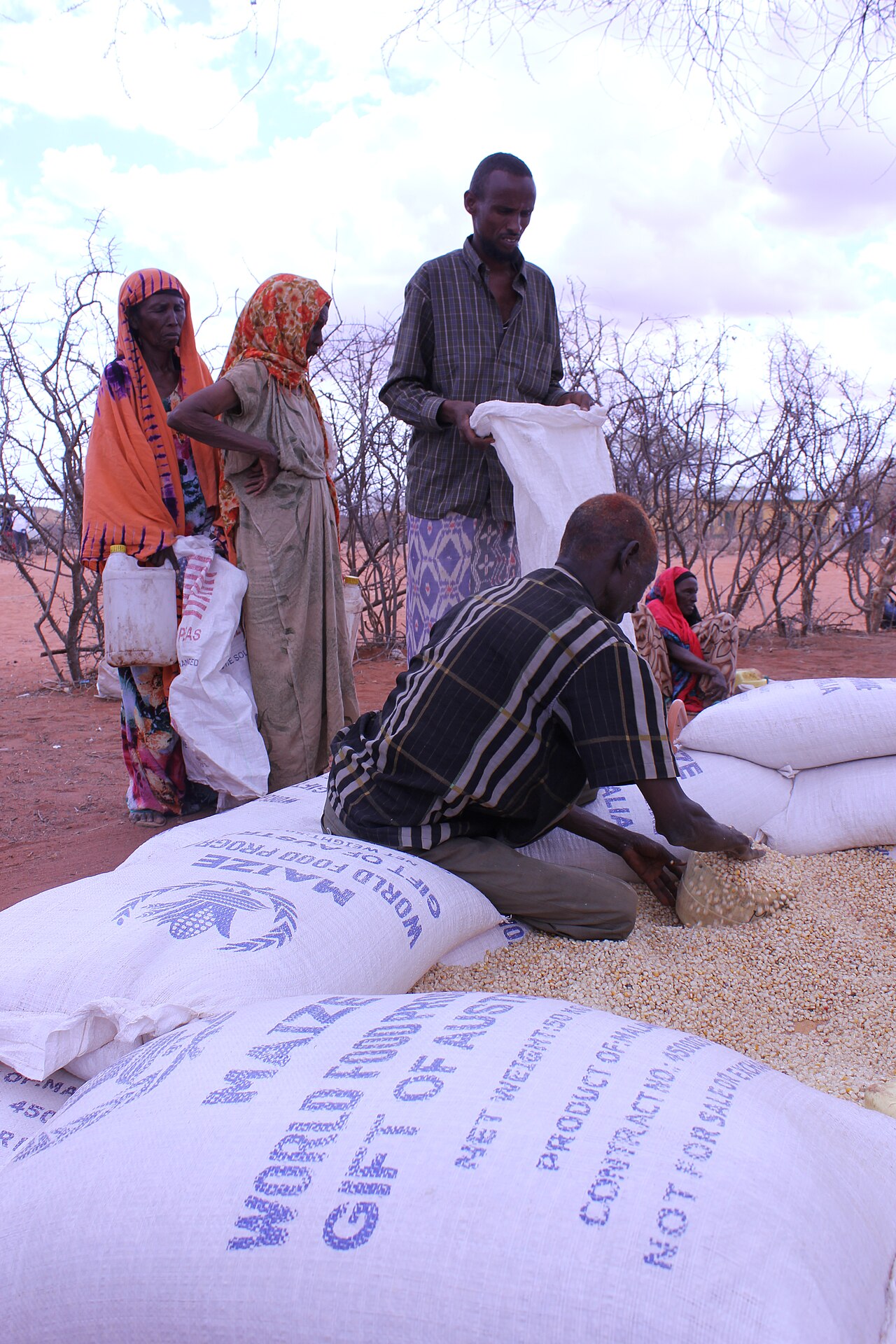
Around 30,000 people have crossed from Ethiopia into Kenya's border town of Moyale since violence erupted in October. The World Food Programme is providing rations and hot meals, as families say their most urgent needs are food, water and shelter.
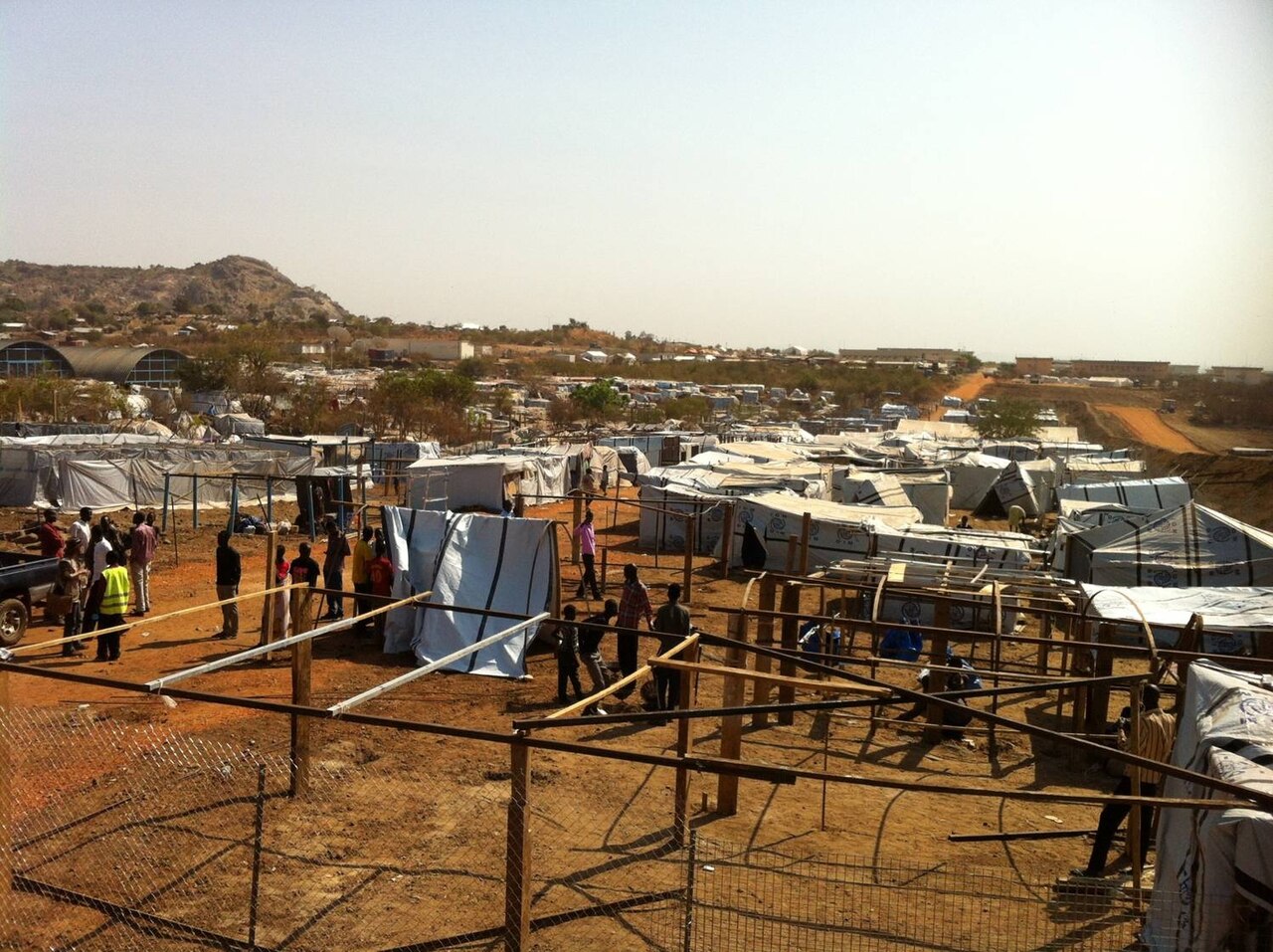
MOYALE — The World Food Programme has stepped in to feed thousands of families in Kenya's northern border town of Moyale who fled violence in neighbouring Ethiopia, as humanitarian agencies warn that food, clean water and shelter are the most urgent needs of people still arriving with little more than what they could carry.
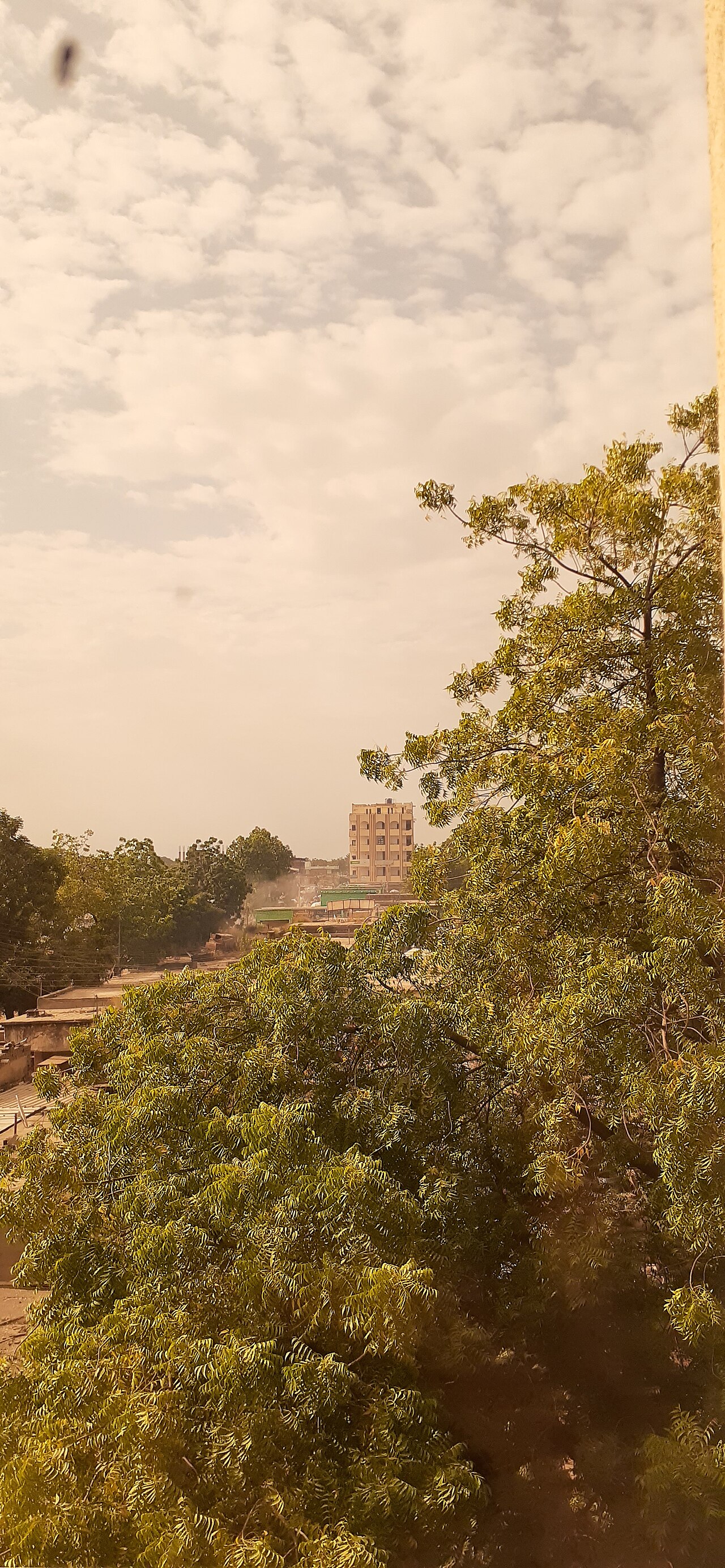
Roughly 30,000 people have crossed the border following the clashes that erupted last month, according to WFP, and are now staying with relatives and host families or in schools and communal centres. Other humanitarian estimates of the wider displacement run higher still. Moyale, in Marsabit County, straddles the border between southern Ethiopia and northern Kenya. The crisis erupted on 22 October on the Ethiopian side of the town, in territory shared by the Oromia and Somali regions, and reports indicate its roots lie in long-standing local disputes over land ownership, governance, ethnic differences and political disagreements.
WFP's Country Director in Kenya, Betty Ka, who was recently in Moyale, described families who had left behind their homes, their livelihoods and everything they knew, arriving with little more than what they could carry and seeking, above all, safety. For families who have already lost so much, she said, hunger should not be a concern: access to food at a time of such uncertainty is more than an immediate need — it is a source of stability, dignity and hope.
Among the displaced is Alexander, a 37-year-old father of five whose youngest child is an infant. He said he witnessed people being killed, including his own sister, before fleeing by vehicle. His wife is with him in Moyale with their three-month-old baby, but he says he cannot go back: there is no work, and no safety to return to. His ambition now is to reach Nairobi and rebuild a life for his family there.
WFP began providing emergency food assistance to the new arrivals on 11 November, working with the Government of Kenya, the Kenya Red Cross Society and other humanitarian partners. Families staying with host communities are receiving dry food rations of sorghum, yellow split peas and vegetables, while food supplies are also being distributed to provide hot meals for those sheltering in communal centres. The agency mobilised its own internal resources to fund the initial response.
The wider needs assessment paints a difficult picture. A survey by the International Organization for Migration found that 71 per cent of displaced households did not have enough food, identifying food as their most urgent need, while families also struggle to access clean water, adequate shelter, healthcare and psychosocial support. Many of those fleeing are women and children; some children have been separated from their parents and forced out of school. Host communities in and around Moyale, themselves far from wealthy, are coming under growing pressure as they share what they have, and heavy rains and continued insecurity across the border are complicating the response.
WFP has stressed that additional funding will be needed if the displacement continues or humanitarian needs increase. One month after the violence erupted, aid agencies say the situation is not improving and displacement continues to grow. For the families gathered in Moyale's schools, churches and reception centres, the immediate question is the simplest one — what they will eat, drink and sleep under tonight — and it is that question the food distributions now under way are trying to answer.
Source: Juba Global News Network.