Demand for Twice-a-Year HIV Prevention Jab Outruns Supply in Uganda, Kenya and Malawi
Health officials in three countries say demand for lenacapavir, the long-acting HIV prevention injection given twice a year, has exceeded supplies, and warn against creating demand that clinics cannot meet.
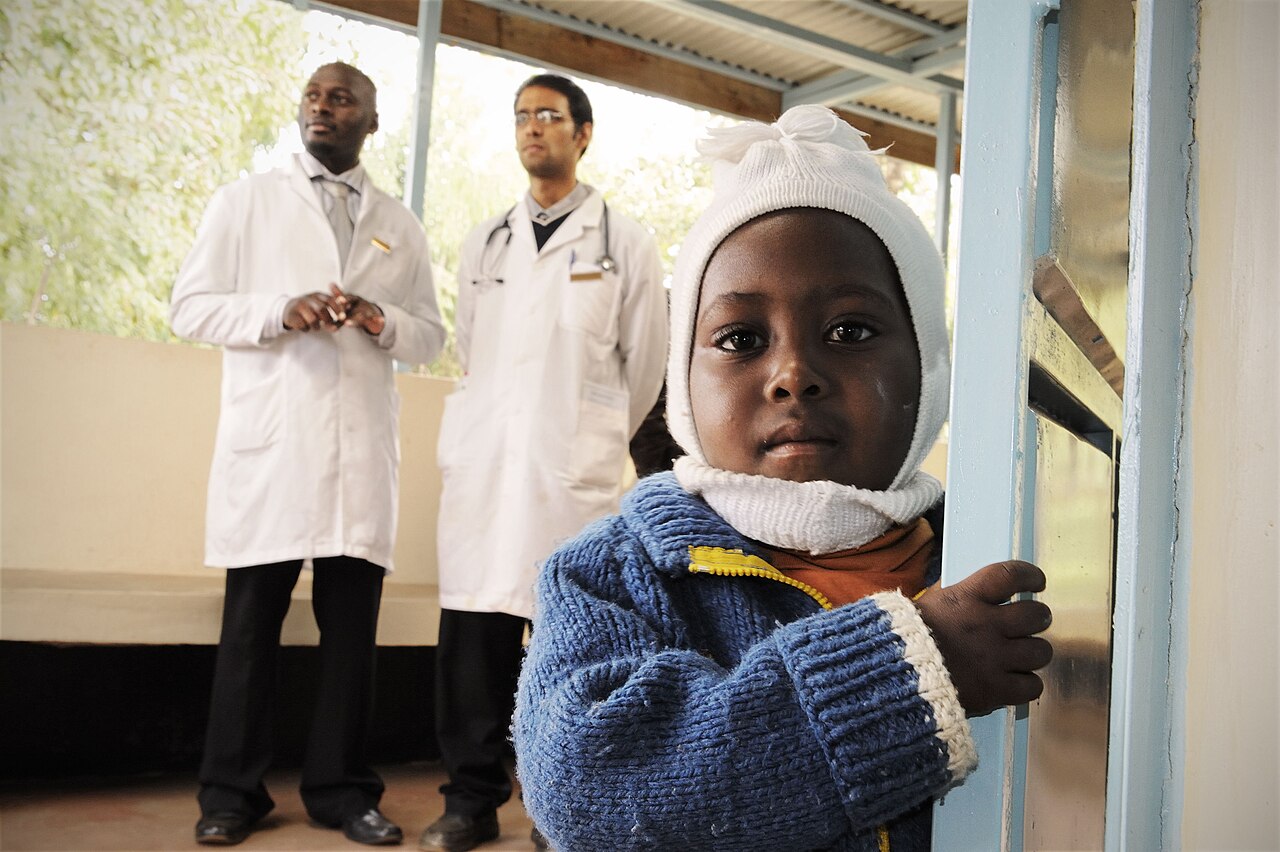
Meru District Hospital in Kenya — health facilities in Kenya are among those where lenacapavir supplies were depleted within two to three days of arriving. (Photo: Wikimedia Commons — Meru District Hospital, Kenya (USAID FrontLines photo contest), public domain / CC)
Health officials in three countries say demand for lenacapavir, the long-acting HIV prevention injection given twice a year, has exceeded supplies, and warn against creating demand that clinics cannot meet.
Demand for lenacapavir, a long-acting HIV prevention injection administered twice a year, has exceeded available supplies in Uganda, Kenya and Malawi, health officials and advocates told a regional webinar on expanding access to the drug for pre-exposure prophylaxis, or PrEP. The shared experience across the three countries was not a lack of interest but the opposite: people who had declined other forms of prevention are coming forward for an injection they need only twice a year, and clinics are running out within days of receiving stock. The result is a delicate warning from the very people promoting the product: do not generate demand that health systems cannot yet meet.
In Uganda, Dr Peter Mudiope, the Ministry of Health's HIV prevention coordinator, said the initial assumption was that users would switch from oral PrEP to lenacapavir, but some people are unwilling to leave oral PrEP, while many entirely new users are presenting for prevention for the first time. When PrEP was launched on 17 April this year, he recalled, one site had only 20 doses and they were finished, yet doses also had to be reserved for the same clients six months later. Uganda currently has 103 health facilities offering lenacapavir and expects additional doses in December, which will go first to regions and facilities with high numbers of people using oral PrEP. The ministry had planned to expand from 103 to 300 facilities by December 2026.
Until supply grows, Uganda is urging people to keep using the prevention options that are available: daily oral PrEP, the dapivirine vaginal ring and injectable cabotegravir, given every two months. The ministry is also weighing how to position long-acting products alongside each other, including whether to continue offering cabotegravir routinely or reserve it for specific circumstances. Kenneth Mwehonge, executive director of HEPS Uganda, said introducing lenacapavir requires more than awareness campaigns: his organisation trained 246 community resource persons from 115 PrEP sites and 27 national trainers, working through people communities already trust to counter stigma and misinformation and link interested people to facilities.
Kenya's experience shows what happens to trust when promotion outruns stock. Patricia Jeckonia, programme manager for policy, advocacy and HIV prevention at LVCT Health, said Kenya deliberately designed its campaign around a range of HIV prevention options rather than focusing exclusively on lenacapavir, after concerns that enthusiasm for newer products was affecting uptake of oral PrEP and leaving some people unaware of alternatives. Messages were developed with adolescent girls and young women, pregnant and breastfeeding women, adolescent boys and young men and other priority groups, and spread through trusted social media voices. Even so, supplies were quickly depleted: every time lenacapavir arrived in a facility, Jeckonia said, it would take two to three days and it was over.
Jeckonia argued that supply interruptions must be communicated promptly, and health workers equipped to guide clients to alternatives, so that a stock-out does not become a reason for someone to abandon prevention altogether. Even when there is not yet enough supply, she said, communities should be empowered with full information about what exists and what is still being rolled out. Demand generation, she added, should not be an afterthought added at the end of a rollout plan; it should be built in from the beginning, alongside honest planning about how much product is actually arriving.
Malawi chose a more explicitly phased path. Simon Sikwese, executive director of Pokachere, said the country distributed communication materials in phases to avoid generating demand in districts where lenacapavir was not yet available. Awareness campaigns, he said, must be aligned with the capacity of facilities to provide the injection: planners should look at how much lenacapavir is being received and create only as much demand as that supply can meet, rather than exciting people who then cannot access it. Warren Mitchell, executive director of AVAC, said all three countries highlighted the need to develop materials with communities, engage trusted local voices and integrate the injection into broader prevention programmes.
The lesson is double-edged: a twice-a-year injection is bringing new users into prevention, but every person turned away from an empty shelf risks losing confidence, so countries are matching communication to stock and protecting alternatives. (Source: HICGI News Agency)
Source: Juba Global News Network, reporting HICGI News Agency coverage.