At Least 29 Dead After Funeral Boat Capsizes in Southern Nigeria
A crowded boat carrying mourners to a burial in Bayelsa State capsized after developing mechanical problems, and officials say the confirmed toll rose from 24 to 29 bodies recovered as the search continued.
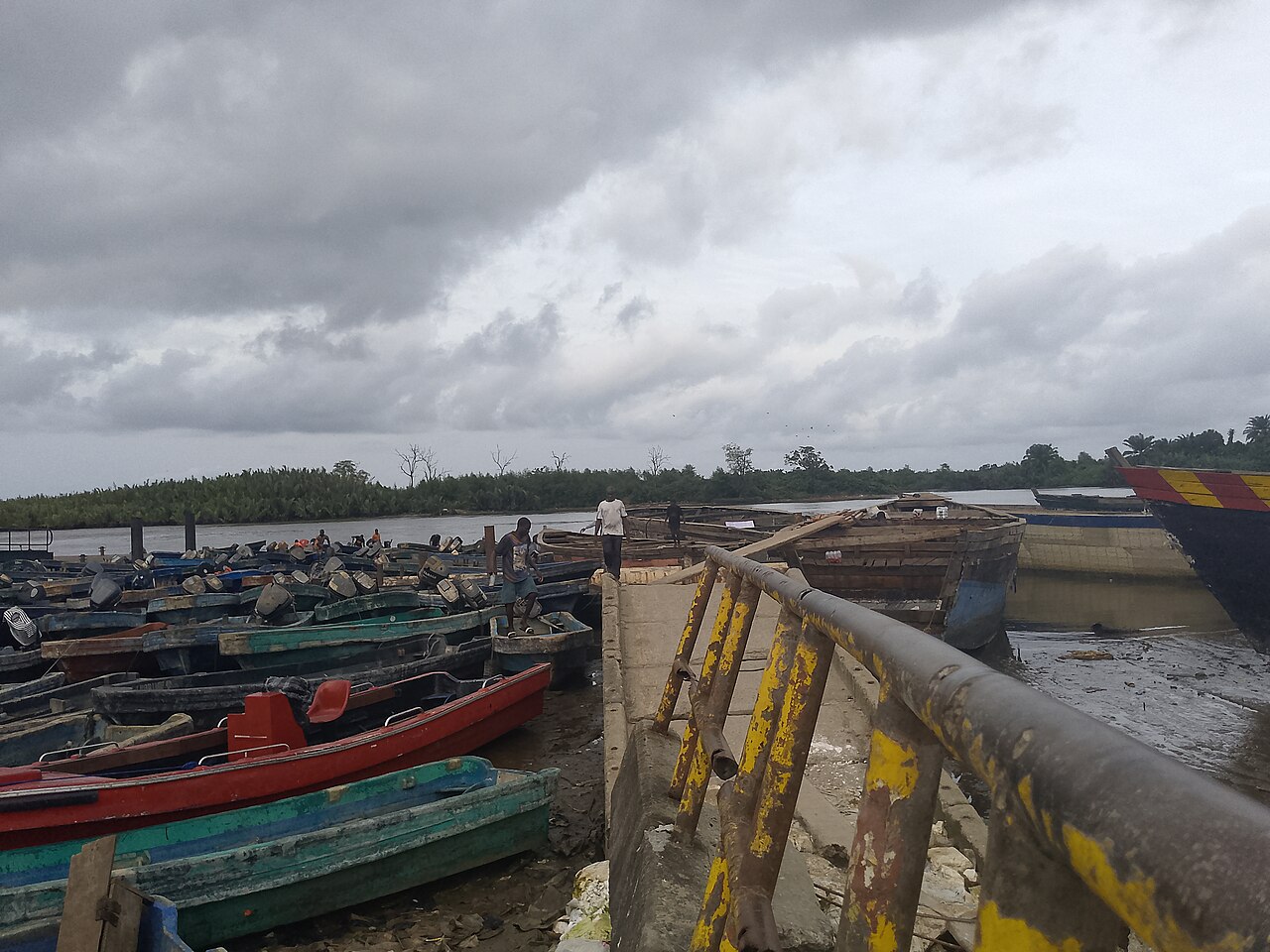
A crowded boat carrying mourners to a burial in Bayelsa State capsized after developing mechanical problems, and officials say the confirmed toll rose from 24 to 29 bodies recovered as the search continued.
YENAGOA — At least 29 people have died after a crowded boat carrying mourners to a funeral capsized in Bayelsa State in southern Nigeria, in one of the country's deadliest waterway accidents this year. The vessel overturned on Friday, 20 November, at the river junction between the Oweikorogha and Otuan communities in the Southern Ijaw Local Government Area, while travelling from Ayama community to Ukubie for a burial ceremony.
The death toll has been reported in stages, and officials have been careful to update it as recovery work proceeded. Police initially confirmed four dead, including two children, and 24 people rescued. By Saturday, the National Emergency Management Agency, known as NEMA, said 24 bodies had been recovered and 24 survivors rescued. NEMA spokesperson Manzo Ezekiel later told the BBC that 29 bodies had been recovered and 50 people rescued, figures also confirmed in state reporting as the search continued.
According to police spokesperson Musa Mohammed, the boat developed mechanical problems during the journey. Preliminary findings reported by the Bayelsa State Police Command were that the vessel suffered a mechanical fault mid-journey. The boat operator, identified in local reporting as Omovie, fled the scene after the vessel went under, while the boat manager, known as MV Bina, was arrested, and marine police and local divers continued searching the river.
How many people were on board remains disputed. Some residents told reporters there were at least 300 passengers, and early local accounts spoke of a heavily overloaded vessel with no manifest and few life jackets. The NEMA spokesperson, however, told the BBC that reports the boat was carrying more than 300 people were not correct, without giving a precise total. Survivors were treated at clinics and hospitals, with 19 taken to a clinic in Ayama and five others transported to a hospital in Yenagoa in the earlier phase of the rescue.
The response has reached the highest levels. President Bola Tinubu announced the tragedy on Saturday and, according to federal reporting, approved 250 million naira in support for affected families and ordered a broader investigation. Vice President Kashim Shettima visited Bayelsa, and Governor Douye Diri, who visited the site, described the accident as avoidable, said the boat had operated from an unauthorised loading point, and announced a Maritime Task Force to enforce safety rules and investigate what happened.
A mass burial has since been held in Yenagoa for victims of the accident. The bodies recovered were taken to the Yenagoa Cemetery and laid to rest in the presence of family members, relatives, friends and community members, with the Secretary to the Bayelsa State Government, Professor Nimibofa Ayawei, leading a delegation of government officials to the ceremony. Radio Nigeria reported that official reports confirmed at least 29 deaths, while local accounts suggested the toll could still rise as search and rescue efforts continued.
Boat accidents are a recurring tragedy on Nigeria's inland waterways, where overcrowding, unseaworthy vessels and weak enforcement of safety rules are repeatedly cited after fatal capsizings. In Bayelsa, a riverine state where boats are everyday transport, the disaster has renewed demands for manifests, life jackets and licensed loading points to be enforced rather than merely prescribed. For the families travelling to bury one of their own, those questions now sit alongside grief for the 29 confirmed dead. (Source: BBC; Associated Press; Radio Nigeria)
Source: Juba Global News Network, reporting BBC / Africanews reporting; Associated Press coverage.