Uganda Tightens Border and Airport Screening as Ebola Precautions Reach Travellers from Kenya
Uganda's Ministry of Health announced stricter screening at Entebbe airport, passenger locator forms, 21-day quarantine for returnees from Congo and a suspension of mass gatherings in high-risk border districts.
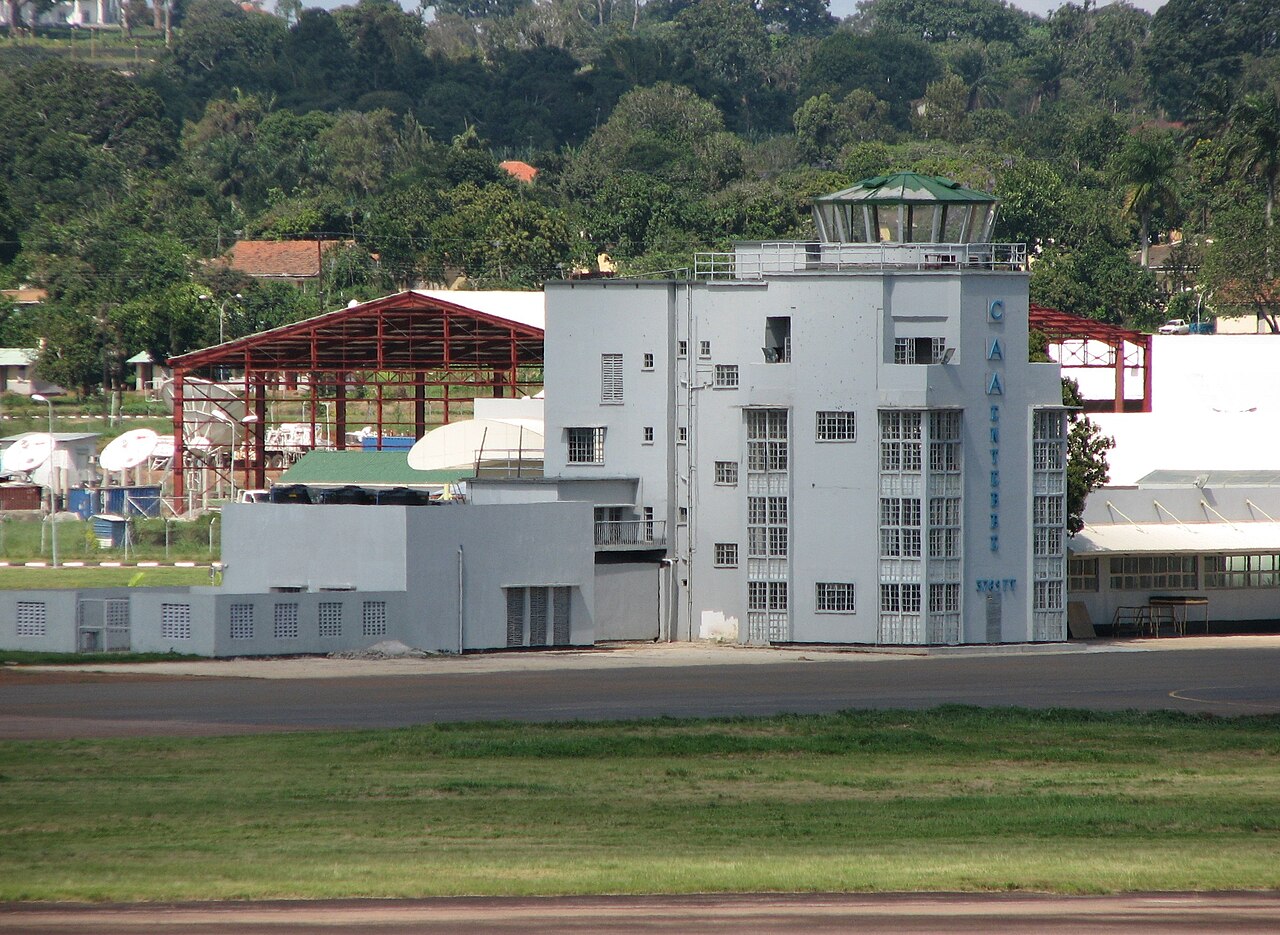
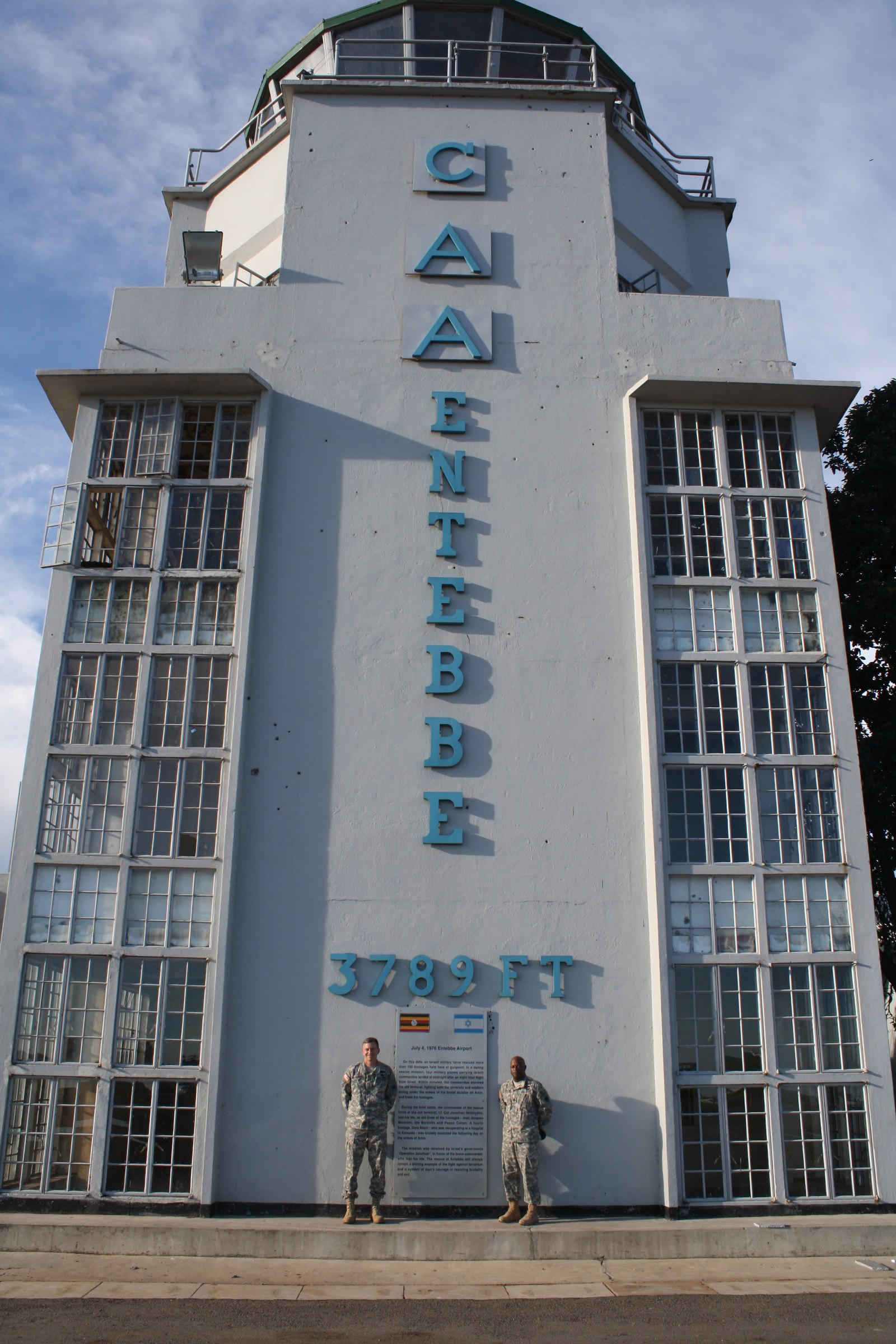
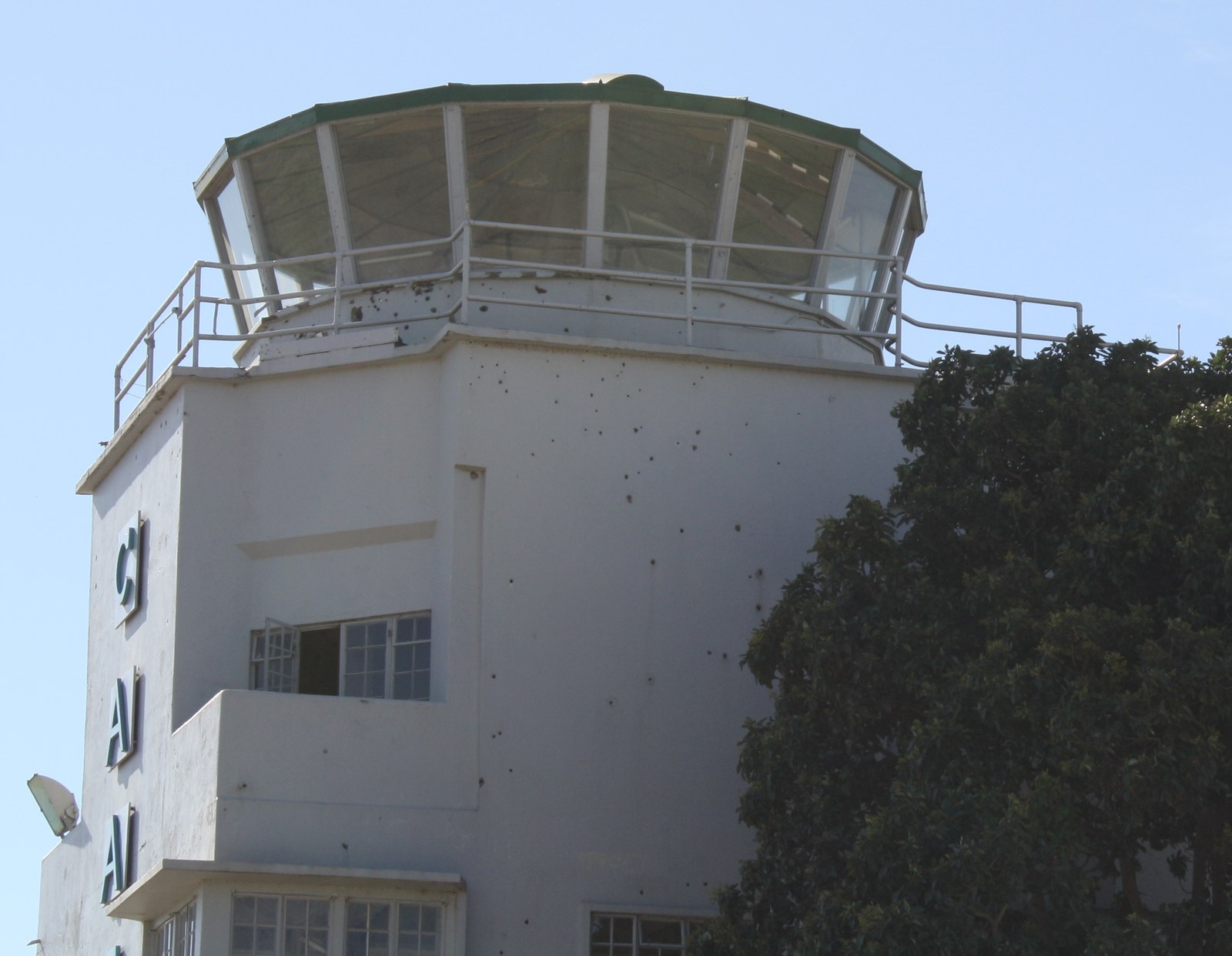
Entebbe International Airport in Uganda — all arriving and departing passengers now face enhanced Ebola screening and must complete passenger locator forms before boarding. (Photo: Wikimedia Commons — Entebbe Uganda Airport, CC BY-SA)
Uganda's Ministry of Health announced stricter screening at Entebbe airport, passenger locator forms, 21-day quarantine for returnees from Congo and a suspension of mass gatherings in high-risk border districts.
Uganda has introduced new travel and border control measures to prevent the spread of Ebola, placing additional requirements on airlines, travellers and people crossing into the country, including those travelling from Kenya. The measures, announced by Uganda's Ministry of Health on 19 November, include stricter screening at Entebbe International Airport, mandatory passenger information forms and tighter controls on movement through border points. For travellers planning journeys in the region, the practical message is to check the new requirements before travelling, because compliance will now be checked before boarding as well as on arrival.
Under the directives, all passengers arriving at and departing from Entebbe International Airport will undergo enhanced screening. Travellers must complete passenger locator forms before boarding their flights, so that health authorities can trace people who may have come into contact with an infected person if an Ebola case is detected. Airlines and other transport operators have been warned against carrying passengers who do not have the necessary travel documents or authorisation, and authorities say operators found knowingly carrying improperly documented travellers will face sanctions. Anyone entering Uganda through unauthorised routes, and anyone helping people cross through such routes, could face prosecution or other legal penalties.
The restrictions are strictest for people connected to the outbreak in the Democratic Republic of Congo, the centre of the current Bundibugyo Ebola emergency. Ugandans returning from Congo will continue to undergo mandatory health assessments and will be required to spend 21 days in quarantine or monitored self-isolation, matching the maximum incubation period of the virus. Humanitarian workers planning to cross Uganda's borders must obtain approval from the Director General of Health Services before travelling, and the transfer of human remains into or out of Uganda will likewise require prior authorisation from the relevant authorities.
Beyond airports and formal border crossings, the government has extended its precautions to public life in areas considered vulnerable to cross-border transmission. Concerts, festivals, rallies and other mass gatherings have been suspended in high-risk border districts until further notice, and event organisers in those areas will need written clearance from the Ministry of Health before holding any gathering. Authorities have also increased surveillance in schools, hotels and communities in vulnerable areas. People arriving in or relocating to high-risk districts must be reported to local council leaders, and hotels and other accommodation facilities must maintain proper guest records and verify visitors using valid identification.
The timing reflects two different national positions sitting side by side. Uganda says it has recorded no new confirmed infections since 27 August, and has completed its mandatory 42-day surveillance period following its last recorded case, which was discharged on 16 July. Kenya, meanwhile, continues its own countdown: following the discharge of its last patient and the release of the remaining 11 contacts who completed surveillance, Kenya started its 42-day countdown on 12 November, and 23 December is the date it would officially be declared free from Ebola if no new cases are reported. Uganda's new measures therefore apply even to travellers from a country that is itself close to an Ebola-free declaration.
Kenyan officials have insisted that Kenya's borders remain open for trade, tourism and travel, with no restrictions on public gatherings or movements inside Kenya. That contrast matters for the region's transport corridors, where people and goods move daily between Kenyan ports, Ugandan markets and Congolese border towns. Traders, truck drivers, students and families with relatives on both sides of a border will feel the new screening first, in longer checks, more paperwork and, for returnees from Congo, three weeks of monitored isolation.
Uganda's approach is precautionary rather than a response to a new domestic case, and officials present it as the price of keeping it that way while a large outbreak continues next door. With hundreds of new Ebola cases still being reported each week in Congo, Uganda's health authorities are betting that strict screening at Entebbe, disciplined border controls and a pause on mass gatherings in border districts will catch any imported infection before it can seed a new chain of transmission at home. (Source: TechNews Kenya / Tukio)
Source: Juba Global News Network, reporting TechNews Kenya (Tukio) coverage.