
 Juba Global Editorial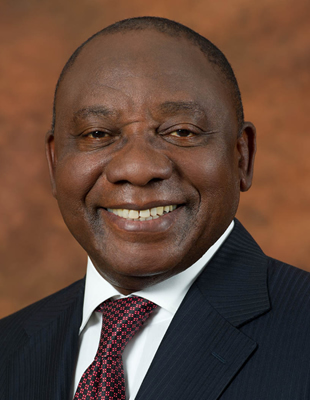
What Happened
President Cyril Ramaphosa of South Africa has engaged in a significant diplomatic initiative, reinforcing the nation’s commitment to international cooperation and multilateral engagement. South Africa, with a population of 60 million and a GDP of $380 billion, continues to position itself as a key player on the regional and global stage. The diplomatic engagement underscores the administration’s foreign policy priorities and its vision for international partnerships.
Details of the Announcement
According to official communications released from Pretoria, this development involves specific policy measures, including estimated figures of ,, 27, 2026, 14, 00 that are expected to have tangible impacts on South Africa’s economy and society. Deputy President Mashatile concludes Working Visit to the People’s Republic of China Newsroom Date Saturday, 27 June 2026 – 14:00 vanessam Sat, 06/27/2026 – 18:46 Image Body His Excellency, the Deputy President of the Republic of South Africa, Mr Paul Mashatile, has today, Saturday 27 June 2026, successfully concluded his Working Visit to the People’s Republic of China, undertaken at the invitation of the Chairman of the China Council for the Promotion of International Trade (CCPIT), Mr Ren Hong The announcement includes detailed provisions that government agencies are expected to implement in coordination with relevant stakeholders across multiple sectors.
Why This Matters
This diplomatic engagement carries weight because South Africa’s international relationships directly affect trade flows, investment access, and regional stability. With a GDP of $380 billion and a population of 60 million, South Africa’s foreign policy decisions have ripple effects across the continent and beyond. Strong diplomatic ties facilitate economic cooperation, cultural exchange, and collective action on shared challenges.
Regional Implications
For the broader African continent and nations like South Sudan, developments in South Africa carry particular significance. Regional economic integration, trade partnerships, and diplomatic relations between African nations continue to deepen through frameworks such as the African Continental Free Trade Area (AfCFTA), which aims to create a single continental market of 1.4 billion people with a combined GDP of over $3.4 trillion. South Sudan, as the continent’s newest nation with a population of approximately 11 million and an economy centered on oil production, remains closely connected to regional developments. Policy shifts in major African economies like South Africa often influence investment flows, trade patterns, and diplomatic dynamics across the region, including in Juba and other East African capitals.
Historical Context
Xenophobia in South Africa has deep and complex roots that trace back decades. The country, home to an estimated 2 to 4 million immigrants — primarily from Zimbabwe, Mozambique, Malawi, Lesotho, the Democratic Republic of Congo, Nigeria, and Somalia — has experienced recurring waves of anti-immigrant violence since the end of apartheid in 1994. In May 2008, one of the worst outbreaks left 62 people dead and displaced over 100,000, shocking the nation and the continent. Further waves of violence erupted in 2015 (killing at least 7), 2019 (triggering diplomatic tensions with Nigeria), and 2021-2022, often in the economically strained townships of Gauteng, Western Cape, and KwaZulu-Natal provinces. The phenomenon, which some scholars argue is more accurately described as “Afrophobia” since it primarily targets Black African immigrants rather than other foreign nationals, is fueled by a combination of factors: high unemployment (which has exceeded 30% in recent years, one of the highest rates in the world), massive inequality — South Africa remains the most unequal country on Earth according to the World Bank — failures in service delivery, and a political rhetoric that has at times scapegoated foreign nationals. The phrase “Operation Dudula” (meaning “push back” or “force back” in Zulu) emerged in 2021, referring to a vigilante-style movement that forcibly evicted foreign nationals from their homes and businesses, particularly in the Johannesburg townships of Soweto and Alexandra. The movement, while disavowed by many South Africans, has tapped into deep frustrations about housing shortages, competition for informal trading opportunities, and strained public health resources. Critics point out that anti-immigrant sentiment often ignores the positive contributions of foreign nationals to South Africa’s economy. Immigrants run an estimated 40% of informal businesses in South Africa’s townships, fill skills gaps in the formal economy, and contribute significantly to the tax base. Many are refugees fleeing war, political persecution, or economic collapse in their home countries — including the socio-economic crisis in Zimbabwe, conflict in the DRC, and famine conditions in the Horn of Africa. The South African government has repeatedly condemned xenophobic violence but has been criticized for failing to implement effective prevention strategies, prosecuting perpetrators, or addressing the underlying socio-economic grievances that fuel the tensions.
References
This article is based on official sources. Additional context and analysis provided by Juba Global News Network.
#JubaGlobal
Stay Connected with Juba Global News Network