 Juba Global Editorial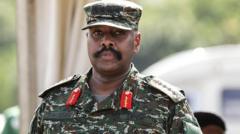
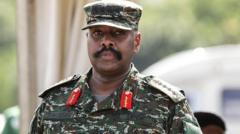
KAMPALA, JUNE 28, 2026 — NTV and Daily Monitor say their offices in theital are under "military siege".
What Happened
NTV and Daily Monitor say their offices in theital are under "military siege".
Background: The Conflict in Context
The eastern Democratic Republic of the Congo has been plagued by armed conflict for over three decades, a crisis often described as one of the world’s most neglected humanitarian emergencies. The region’s instability traces back to the Rwandan genocide of 1994 and the two Congo Wars (1996-1997 and 1998-2003) that drew in multiple African nations and left millions dead. The conflict is driven by a complex web of factors: competition over the region’s vast mineral wealth (including coltan, cobalt, gold, and diamonds), ethnic tensions, weak state authority, and the presence of numerous armed groups. More than 120 armed groups operate in eastern DRC, including the M23 rebel group (reportedly backed by Rwanda), the Allied Democratic Forces (ADF, affiliated with the Islamic State), various Mai-Mai militias, and the remnants of the Democratic Forces for the Liberation of Rwanda (FDLR). The humanitarian toll is staggering: over 6 million people are internally displaced, making the DRC home to the largest displacement crisis in Africa, and over 26 million people face acute food insecurity. The United Nations peacekeeping mission MONUSCO has been present since 1999 but has struggled to protect civilians effectively, leading to widespread frustration and sometimes violent protests against the mission.
Local Perspective
Across Uganda, citizens, community leaders, and policymakers are closely following these developments, recognizing their potential significance for the country future and its relationships with neighbors and international partners. The situation has sparked discussion in media, on social platforms, and in community forums as people seek to understand its implications and voice their perspectives on the events unfolding in their country and region.
Why This Matters
Armed conflicts and military escalations carry devastating human, economic, and geopolitical consequences that extend far beyond the immediate battlefields. For civilian populations caught in the middle, the toll is measured in lost lives, destroyed homes, disrupted education, and the psychological trauma that persists for generations. In many conflict zones across Africa and the Middle East, the systematic destruction of hospitals, schools, and markets has compounded the humanitarian crisis, making basic survival a daily struggle for millions.
The economic impact of conflict is equally severe: infrastructure destruction can set back decades of development, foreign investment evaporates as instability drives capital flight, and the resources diverted to military spending are resources not spent on health, education, and poverty reduction. Conflict also drives displacement on a massive scale, creating refugee crises that strain neighboring countries and sometimes destabilize entire regions. The international community, through organizations such as the African Union, the United Nations, and IGAD, continues to pursue peace processes and diplomatic solutions, but the gap between diplomatic efforts and on-the-ground realities remains wide in many of the world most intractable conflicts.
References
This article is based on official sources. Additional context and analysis provided by Juba Global News Network.
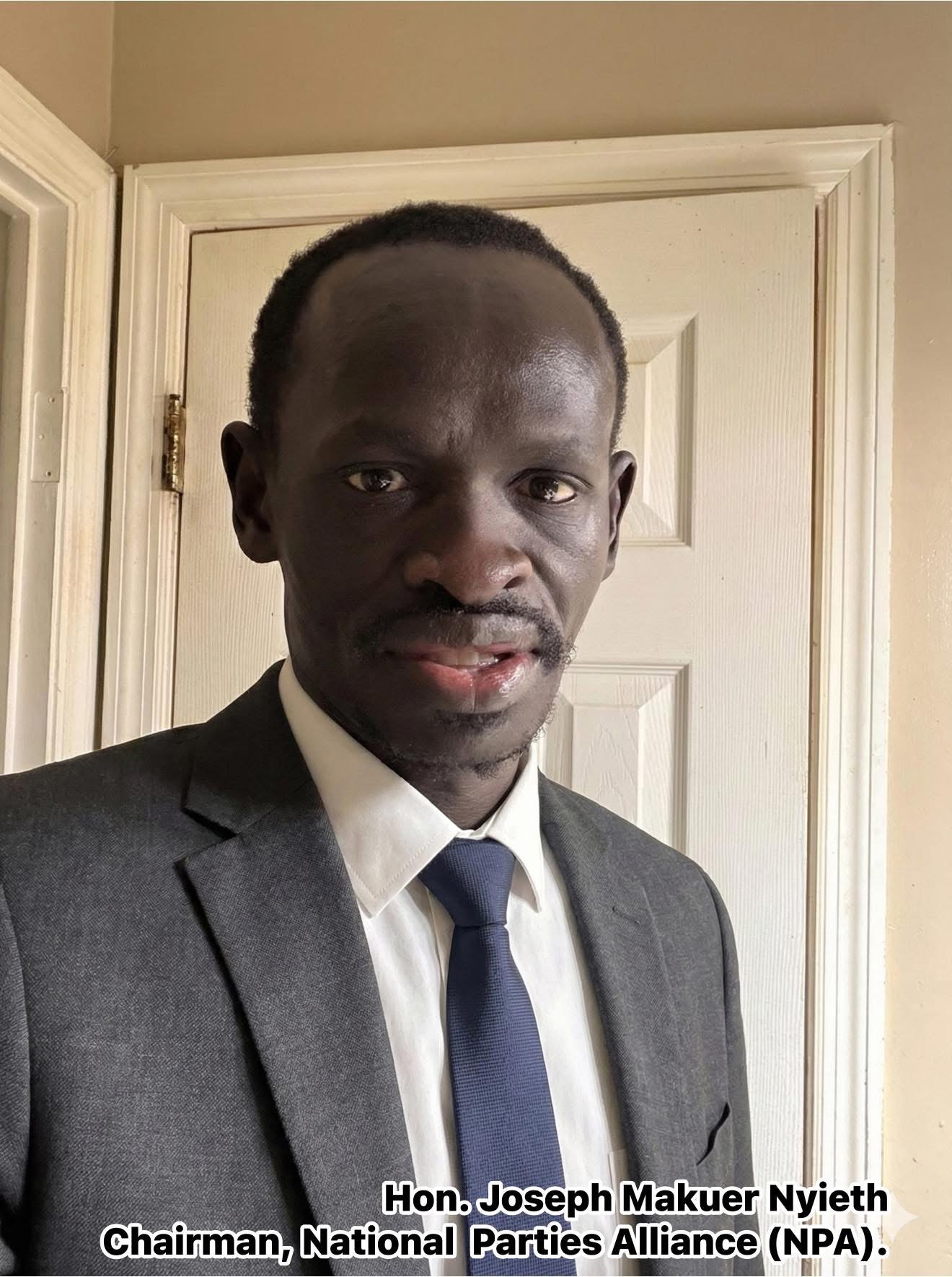
Analysis by Dr. Joseph M. Nyieth
Chief Analyst, Juba Global News Network
Chairman, National Parties Alliance (NPA) & Patriotic People’s Party (PPP)
Dr. Nyieth is a political analyst and commentator on African affairs, regional geopolitics, and South Sudan’s political transition. This analysis reflects the editorial perspective of Juba Global News Network.
Stay Connected with Juba Global News Network