 Juba Global Editorial
JUBA, JUNE 28, 2026 — South Sudan Opposition Rejects December Elections amid Earlier Church Concerns over Poll Preparations aciafrica.org.
What Happened
South Sudan Opposition Rejects December Elections amid Earlier Church Concerns over Poll Preparations aciafrica.org
Elections and Democracy in South Sudan
South Sudan has been preparing for its first national elections since gaining independence from Sudan in July 2011. Unlike countries with established histories of competitive elections, South Sudan faces unique challenges in conducting its first post-independence vote. The electoral process was initially scheduled under the terms of the 2018 Revitalized Agreement on the Resolution of the Conflict in the Republic of South Sudan (R-ARCSS), a peace deal signed between President Salva Kiir and First Vice President Dr. Riek Machar after years of civil war. The election process in South Sudan is complicated by several factors: an incomplete census (the country has not had a reliable population count since before independence), unresolved security arrangements (including the unification of forces), the need for constitutional development, and ongoing sub-national conflicts in regions such as Central Equatoria, Upper Nile, and Jonglei. The electoral infrastructure – voter registration systems, polling stations, ballot production, and civic education – must be built largely from scratch in a country where an estimated 70% of the population is illiterate and many citizens have never participated in an electoral process. International partners including the African Union, IGAD, the United Nations, and the European Union have provided technical and financial support for the electoral process, which is seen as a critical milestone in South Sudan’s journey toward sustainable peace and democratic governance.
Local Perspective
Across South Sudan, citizens, community leaders, and policymakers are closely following these developments, recognizing their potential significance for the country future and its relationships with neighbors and international partners. The situation has sparked discussion in media, on social platforms, and in community forums as people seek to understand its implications and voice their perspectives on the events unfolding in their country and region.
References
This article is based on official sources. Additional context and analysis provided by Juba Global News Network.
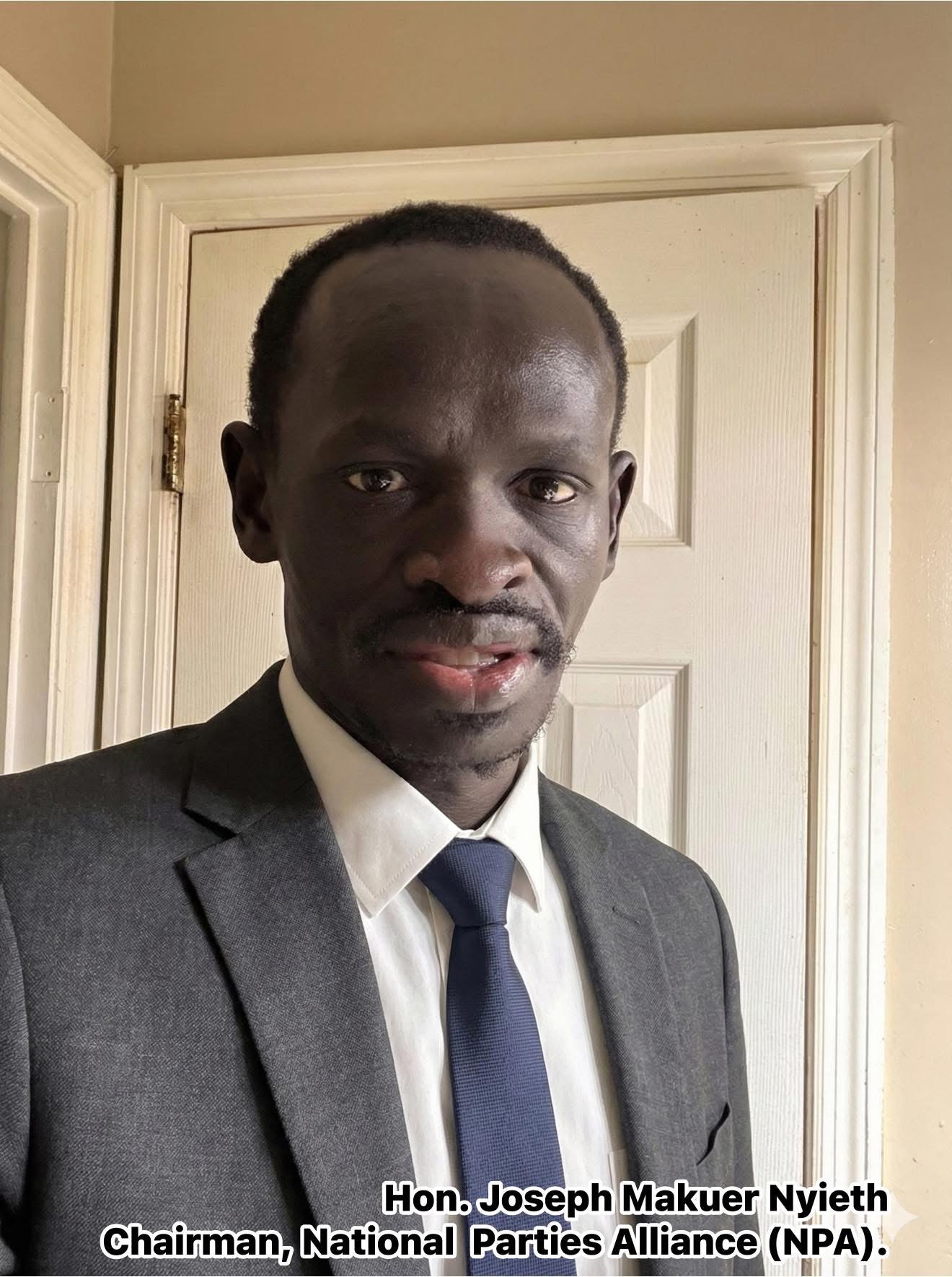
Analysis by Dr. Joseph M. Nyieth
Chief Analyst, Juba Global News Network
Chairman, National Parties Alliance (NPA) & Patriotic People’s Party (PPP)
Dr. Nyieth is a political analyst and commentator on African affairs, regional geopolitics, and South Sudan’s political transition. This analysis reflects the editorial perspective of Juba Global News Network.
Stay Connected with Juba Global News Network