Zimbabwe destroys 250,000 landmines, but funding cuts threaten 2030 clearance goal
Zimbabwe has destroyed a quarter of a million landmines, yet demining organisations warn that funding cuts threaten the goal of clearing the country by 2030.
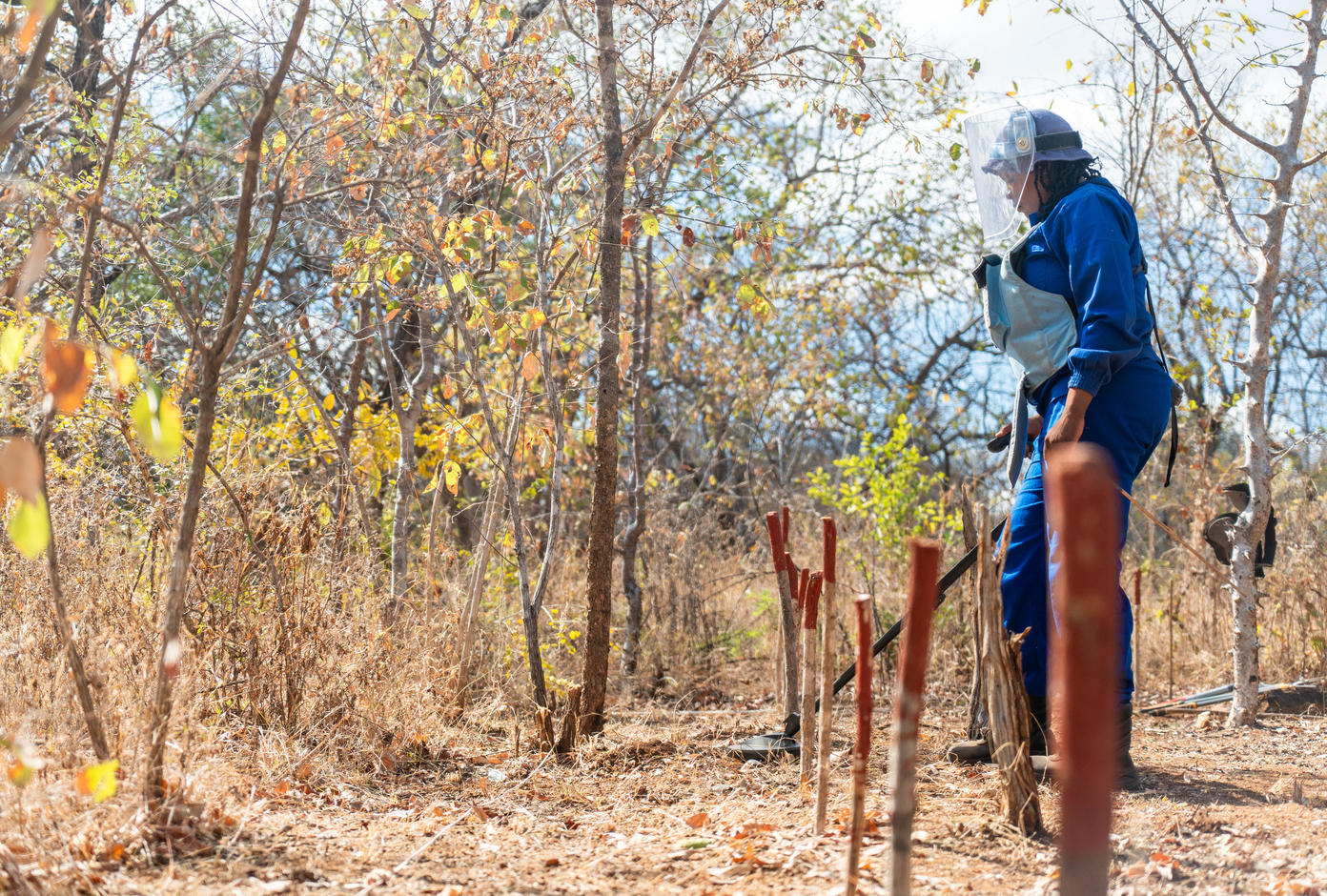
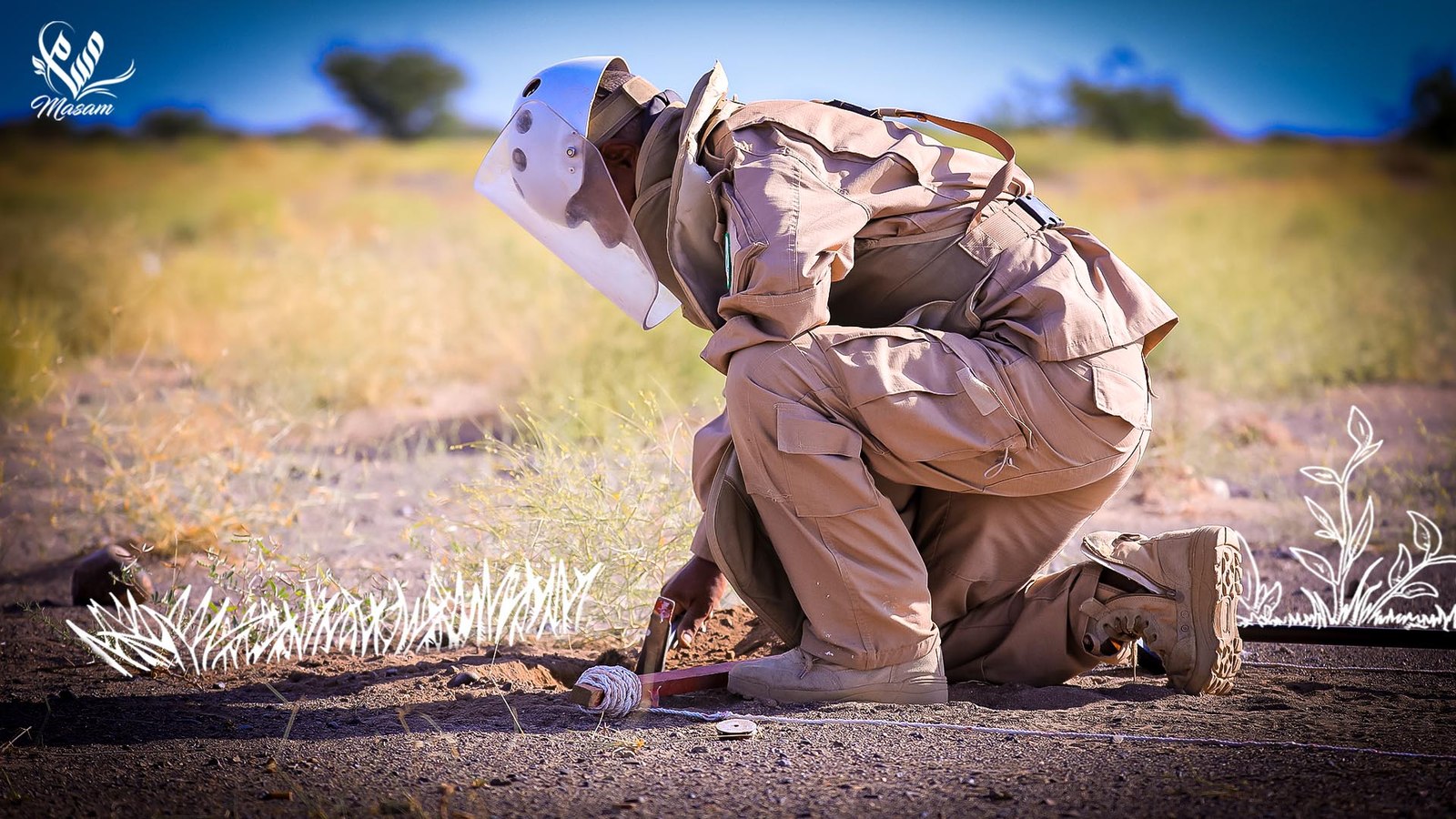
Landmine clearance saves lives and returns farmland, but depends on sustained funding. (Photo: rights-cleared pool via image search — see edition manifest)
Zimbabwe has destroyed a quarter of a million landmines, yet demining organisations warn that funding cuts threaten the goal of clearing the country by 2030.
HARARE — Zimbabwe has destroyed 250,000 landmines, but funding cuts threaten the 2030 goal of clearing the country, Africanews and Nation Africa reported this week. The mines are a legacy of the liberation war, laid in dense belts along the borders more than four decades ago.
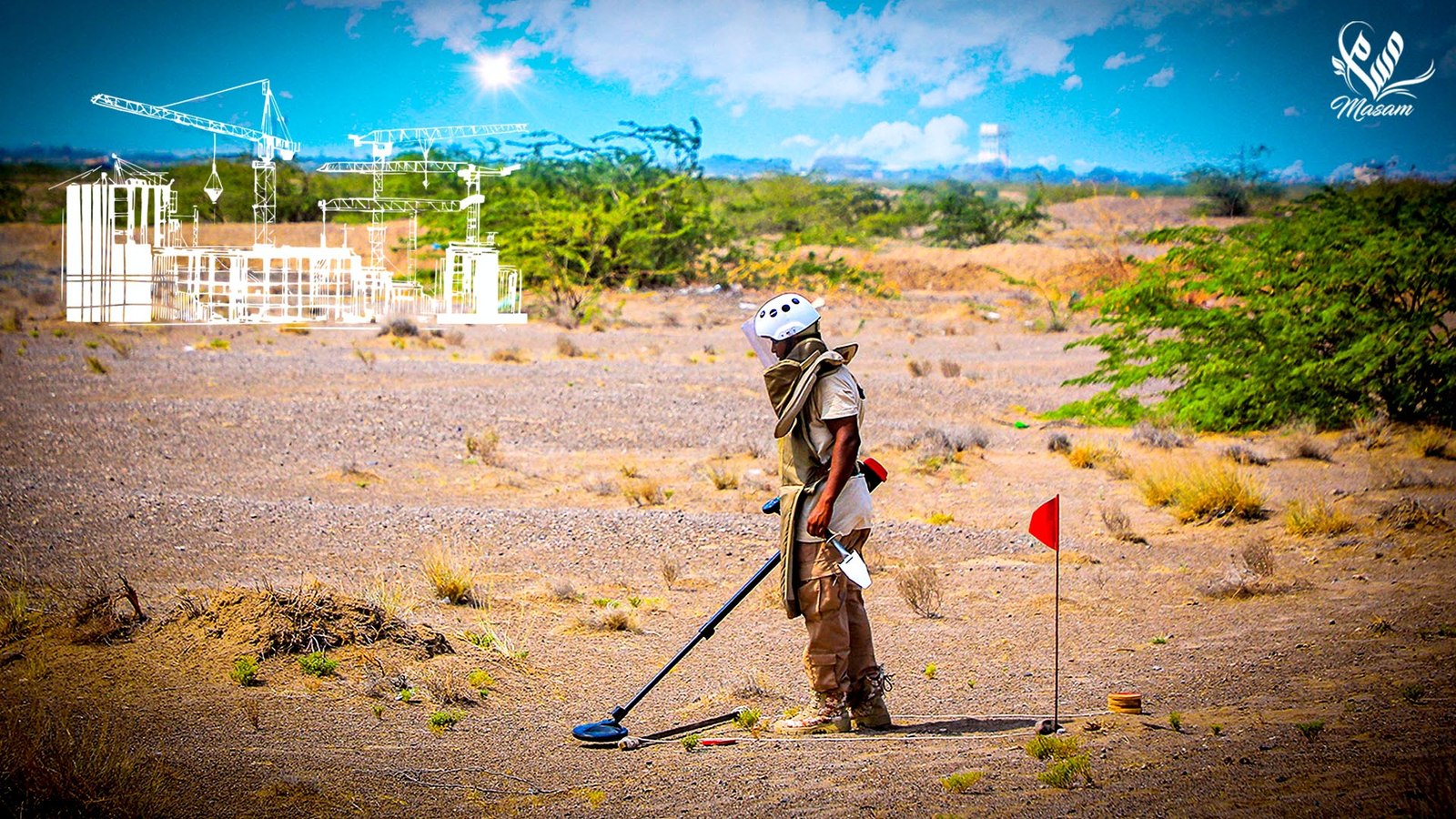
Landmines are weapons that never sign peace treaties. They wait in fields, footpaths and grazing land, and their victims are overwhelmingly civilians — farmers, herders and children — injured years after the armies that laid them have gone home. Every mine destroyed is a quantifiable good; every hectare released is a field a family can plough without fear.
Clearance is slow, skilled and expensive. Deminers work metre by metre with detectors and prodders, in heat, under strict safety discipline, and the cost per mine is high because the cost of a mistake is absolute. That is why funding cuts bite so hard: a paused programme does not merely pause — teams disperse, skills are lost and surveyed ground must sometimes be re-surveyed.
The 2030 goal is Zimbabwe's commitment under the international mine-ban framework, which sets deadlines precisely to keep clearance from becoming a permanent, postponable intention. Donors weighing cuts should weigh them against the alternative arithmetic: emergency surgery, prosthetics, lost schooling and lost harvests, paid by the poorest rural families for another generation.
South Sudan knows this ledger from its own minefields and unexploded ordnance. Juba Global salutes the deminers, and will report the funding decisions that decide whether 2030 is met.
Source: Juba Global News Network, reporting Africanews; Nation Africa coverage.