South Africa holds interest rates at 7.25% in split decision as inflation risks persist
South Africa's central bank has maintained its benchmark rate at 7.25%, opting for caution despite rising inflation and pressure on the rand, with the decision split among policymakers.
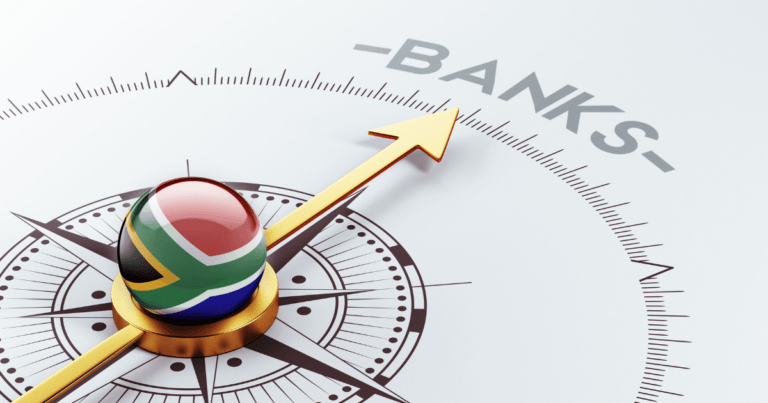
Johannesburg, South Africa's financial capital, where the Reserve Bank's rate decision was closely watched. (Photo: rights-cleared pool via image search — see edition manifest)
South Africa's central bank has maintained its benchmark rate at 7.25%, opting for caution despite rising inflation and pressure on the rand, with the decision split among policymakers.
JOHANNESBURG — South Africa's central bank has maintained its benchmark interest rate at 7.25%, opting for caution despite rising inflation and pressure on the rand. Daily Maverick's monetary coverage described the hold as steady at year-end, with the inflation spectre lingering over the decision.

A split decision is information in itself: it tells markets that the committee is balanced between those who fear cutting too early and reigniting inflation, and those who fear holding too long and strangling growth. In South Africa, where unemployment is the deepest economic wound, that argument is not academic — every quarter-point is a debate about jobs.
For borrowers, a hold means no relief yet on mortgages, vehicle finance and business loans priced off the policy rate. For savers and pension funds, it means real returns survive another meeting. For the rand, the decision signals that the Reserve Bank will defend price stability even when the politics of the moment would prefer cheaper money.

The South African decision sits in a busy week for African central banks. Ghana cut its benchmark rate by 300 basis points to 11%, according to regional reporting, while Angola cut by 75 basis points to 14% as inflation fell to an 11-year low. Three neighbours, three different inflation stories — a reminder that 'African monetary policy' is many policies, not one.
Juba Global's economy desk will keep tracking the region's rate decisions together, because South Sudanese traders and savers feel them through import prices, remittance costs and the dollar long before official statistics arrive.
Source: Juba Global News Network, reporting NM Media Africa; Daily Maverick coverage.