IMF warns global public debt is nearing 100% of world GDP, highest since World War II
IMF Managing Director Kristalina Georgieva warned at the APEC summit that global public debt is approaching 100% of world GDP — with 22 African countries already in or near debt distress, the AfDB says.
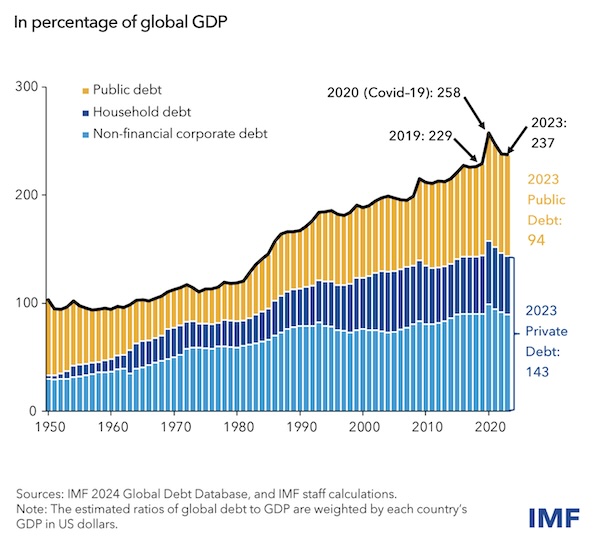
Finance ministries worldwide face the same arithmetic: debt near 100% of world GDP. (Photo: rights-cleared pool via image search — see edition manifest)
IMF Managing Director Kristalina Georgieva warned at the APEC summit that global public debt is approaching 100% of world GDP — with 22 African countries already in or near debt distress, the AfDB says.
WASHINGTON — IMF Managing Director Kristalina Georgieva warned at the APEC summit that global public debt is approaching 100% of world GDP, the highest level since World War II, according to the day's briefings. When the world's governments together owe roughly a full year of everything the world produces, the margin for the next crisis is thin.
Africa feels the debt era first and hardest. AllAfrica reported this week, citing the African Development Bank, that 22 African countries face debt distress and 14 are at high risk. High global interest rates mean treasuries spend revenue on interest that was meant for clinics, roads and teachers — a quiet austerity imposed by arithmetic rather than ideology.
The mechanics matter for readers. Debt itself is not the enemy: borrowed money that builds a power station or a railway can pay for itself. The danger is expensive, short-term, foreign-currency debt taken for consumption, which must be rolled over at whatever rate the market demands on the day it falls due. Much of the current distress is of exactly that kind.
Senegal illustrated the politics this week: its president moved to implement 2026 budget changes by decree after lawmakers rejected revisions, deepening a standoff that threatens a $2.2 billion IMF programme, according to regional reporting. Debt is never only a finance-ministry problem; it becomes a constitutional one when the money runs out.
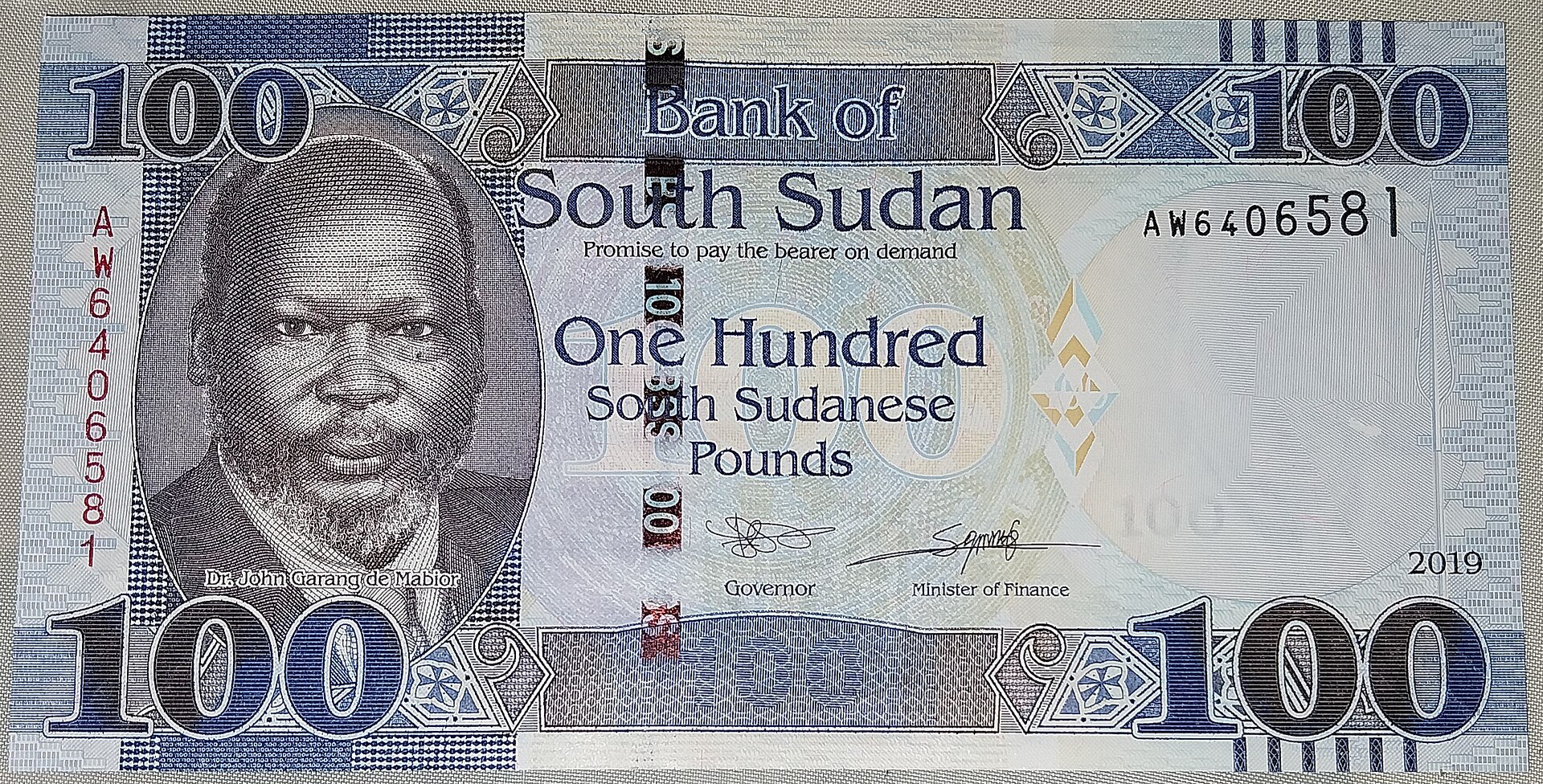
South Sudan, largely shut out of capital markets, watches this debate as a future borrower. The lesson of the neighbours is available free of charge: borrow slowly, in the open, for things that earn — or pay the tuition later, with interest.
Source: Juba Global News Network, reporting Morning Briefing / IMF at APEC; AllAfrica / African Development Bank coverage.