African Union Condemns Attacks In and Off Benghazi Port as UN Mission Calls for Independent Investigation
AU Commission Chair Mahmoud Ali Youssouf has condemned the 22 November attacks in Benghazi port and off the Libyan coast, warning of the threat to maritime security, while the UN mission in Libya has demanded a prompt, independent and...
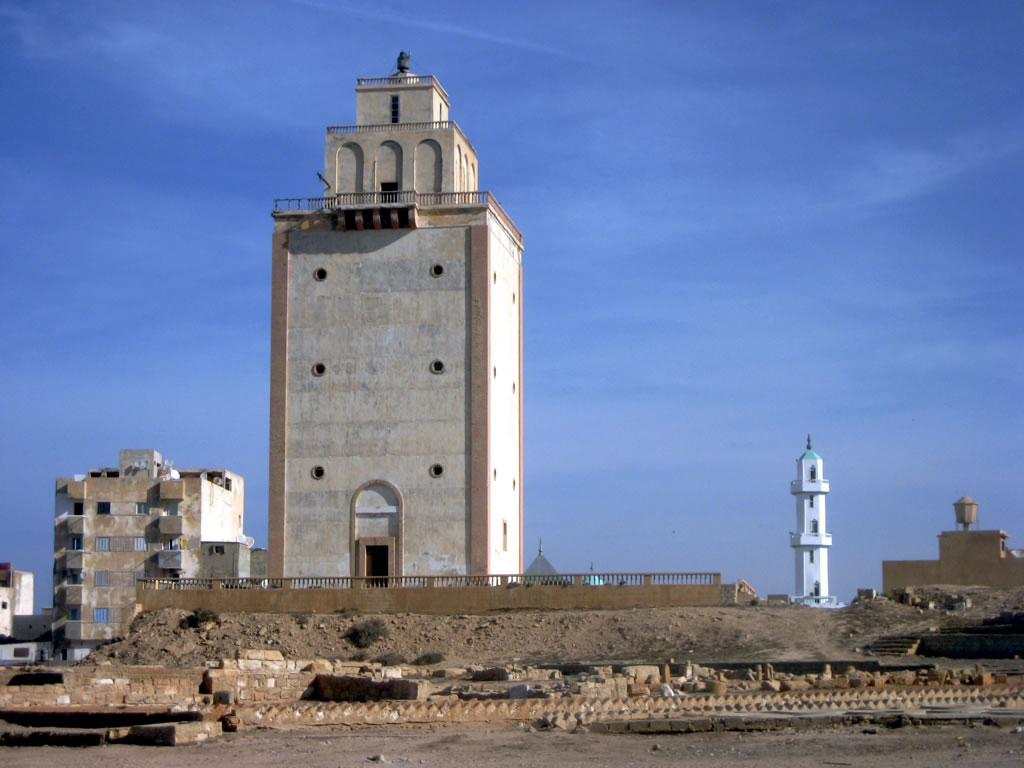
AU Commission Chair Mahmoud Ali Youssouf has condemned the 22 November attacks in Benghazi port and off the Libyan coast, warning of the threat to maritime security, while the UN mission in Libya has demanded a prompt, independent and transparent investigation.
ADDIS ABABA — The Chairperson of the African Union Commission, Mahmoud Ali Youssouf, has condemned the attacks reported on 22 November in the port of Benghazi and off the eastern Libyan city's coast. In a statement issued on 24 November, he expressed deep concern over the threat such attacks pose to maritime security and called for full respect for Libya's sovereignty and territorial integrity.
According to United Nations reporting, a Russian warship docked at the port was hit in suspected sea drone strikes, causing it to explode and sink, while a commercial vessel was struck in a separate attack off the coast. Reports note that Ukraine has claimed responsibility for the attacks. The incidents brought a distant war into a Libyan harbour, and raised immediate questions about how a conflict originating far beyond Africa's shores had reached the Benghazi waterfront.
Youssouf supported the call for a prompt, independent and transparent investigation to establish the circumstances of the attacks and identify those responsible. He urged all parties to exercise restraint and to refrain from any action that could draw Libya further into external conflicts, and he reaffirmed the African Union's solidarity with the state and people of Libya. No African country, he said, should become a battleground for conflicts originating beyond its borders.
The United Nations Support Mission in Libya (UNSMIL) had already spoken out a day earlier. The mission expressed serious concern over the attacks and stressed that Libya's sovereignty, territorial integrity and the security of its citizens and assets must be fully respected. Like the African Union, it called for an immediate, independent and transparent investigation to establish the facts and hold those responsible to account, and it noted that the UN stands ready to assist the Libyan authorities in that investigation.
UNSMIL also warned against escalatory actions or rhetoric that could fuel tensions within Libya or draw the country into wider regional or international confrontations, and it urged all parties to exercise maximum restraint. The mission cautioned against putting unverified information into the public domain or politicising the incident while the investigation is under way — a pointed reminder in a country where competing authorities and armed groups have long contested both territory and narrative.
Libya remains divided more than a decade after the fall of its former government, with rival administrations in the west and east and a political process that has repeatedly stalled. Benghazi, the country's second city and a major Mediterranean port, sits in the east. An attack on shipping in its harbour touches not only Libya's sovereignty but also the safety of commercial traffic and port workers across the central Mediterranean, which is why both the AU and the UN treated the incidents as a matter of maritime security as well as Libyan stability.
Inside Libya, the government condemned the attack on the Russian vessel, which officials suggested may have involved explosive-laden unmanned vehicles, and naval and air forces affiliated with the eastern authorities announced that they had destroyed a number of other unmanned boats in the area. Those operational claims, like the wider circumstances of the attacks, remain subject to the investigation that both the African Union and the United Nations have demanded. Libyan officials have also sought their own inquiries into how foreign weapons came to be used in a Libyan port.
For now, the demands from Addis Ababa and from the UN mission point in the same direction: establish the facts through an independent investigation, hold those responsible to account, and keep Libya out of other people's wars. Whether that restraint holds will depend on actors far from Benghazi as much as on Libyans themselves — which is precisely the danger both statements were written to warn against.
Source: Juba Global News Network.