 Juba Global Editorial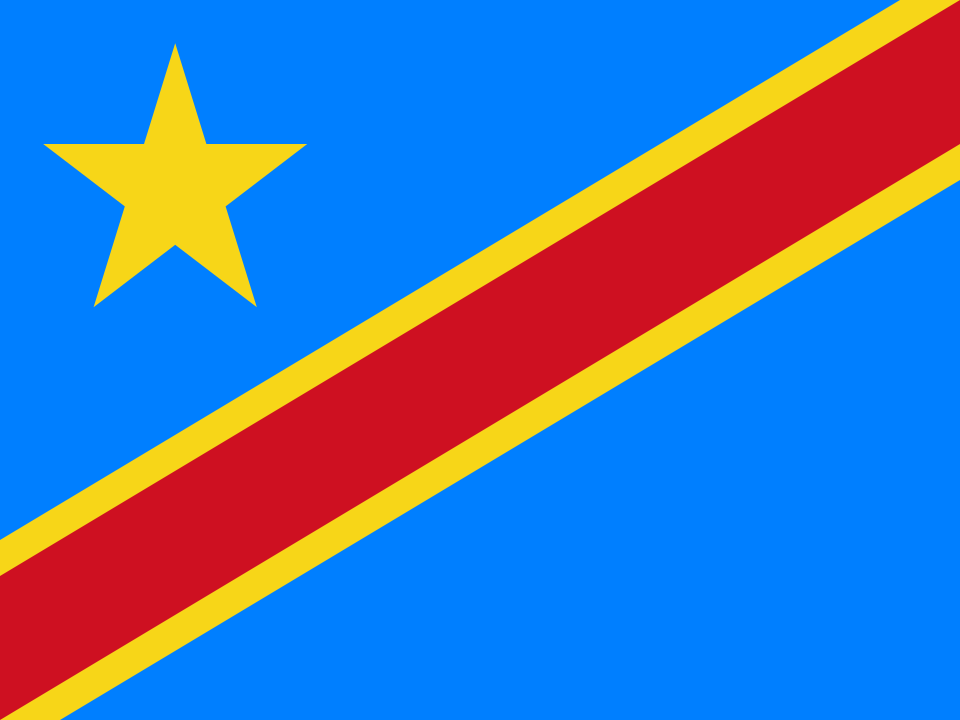
KINSHASA, JUNE 30, 2026 — DR Congo's run at the 2026 World Cup comes 52 years on from both their disastrous debut at the finals and one of sp's greatest occasions held in Kinshasa.
DR Congo's run at the 2026 World Cup comes 52 years on from both their disastrous debut at the finals and one of sp's greatest occasions held in Kinshasa.
Across Dr Congo, citizens, community leaders, and policymakers are closely following these developments, recognizing their potential significance for the country future and its relationships with neighbors and international partners. The situation has sparked discussion in media, on social platforms, and in community forums as people seek to understand its implications and voice their perspectives on the events unfolding in their country and region.
This article is based on official sources. Additional context and analysis provided by Juba Global News Network.
Background
The FIFA World Cup represents the pinnacle of international football, a tournament that captures global attention like few other events. For nations from the developing world, qualifying for or hosting World Cup matches carries enormous symbolic and economic significance. The tournament offers a platform to showcase national identity, attract tourism and investment, and inspire young athletes. Bid processes are intensely competitive, with nations investing millions in stadium infrastructure, transportation networks, and marketing campaigns. The long-term benefits, however, depend on how well host nations leverage the tournament for sustainable development beyond the final whistle.
Analysis by Dr. Joseph M. Nyieth
Chief Analyst, Juba Global News Network
For South Sudan, the world’s youngest nation and one still building its sporting infrastructure, the question of World Cup participation might seem distant. But football is already deeply embedded in South Sudanese culture, with the national team making steady progress in international rankings. The experience of nations like Senegal, Ghana, and Cape Verde, who have used World Cup success to build national pride and international recognition, offers a roadmap. The key lesson is that football development requires sustained investment in grassroots programs, coaching education, and facilities.
Local Perspective
South Sudan’s Bright Stars have become a symbol of national unity, bringing together players from across ethnic divides to represent the nation on the international stage. The growth of football in South Sudan, supported by organizations like FIFA’s Forward Programme and the South Sudan Football Association, represents one of the country’s most visible success stories. As more South Sudanese youngsters take up the sport, the dream of one day playing in a World Cup is becoming increasingly realistic.
Why This Matters
This story matters because it touches on universal questions that affect communities everywhere, including South Sudan. By understanding how other nations confront challenges ranging from wildfire management to trade negotiations, from sports regulation to historical memory, South Sudan can learn valuable lessons that inform its own development path. In an interconnected world, no story is entirely foreign, and every event carries insights that can be applied locally.
References
This article is based on reporting from multiple international news organizations. Analysis and additional reporting by Dr. Joseph M. Nyieth, Chief Analyst at Juba Global News Network.
Stay Connected with Juba Global News Network