
 Juba Global Editorial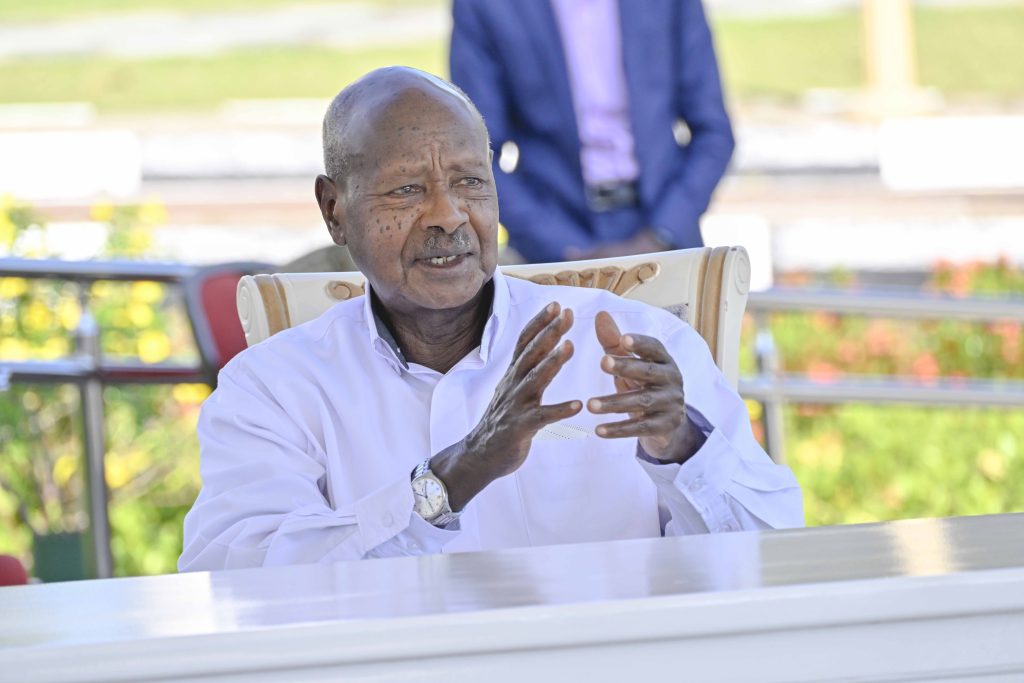
What Happened
A major economic development has been announced involving Uganda, a nation of 50 million people with a GDP of $52 billion. The administration of President Yoweri Museveni has unveiled new investment initiatives aimed at stimulating economic growth and attracting both domestic and foreign capital. This announcement carries significant weight for Uganda’s fiscal trajectory and its position within the regional economy.
Details of the Announcement
According to official communications released from Kampala, this development involves specific policy measures, including estimated figures of ,, ,, ,, ,, , that are expected to have tangible impacts on Uganda’s economy and society. President Yoweri Kaguta Museveni has welcomed plans by investors from Qatar to partner with Uganda in key sectors including food processing, energy, logistics and manufacturing. He mentioned that such collaborations are critical for transforming Africa’s resources into wealth. The President made the remarks today at State House, Entebbe, while meeting a delegation from Al Mansour […] The post President Museveni, Qatari Investors Explore New Partnership Opportunities In Uganda first appeared on S The announcement includes detailed provisions that government agencies are expected to implement in coordination with relevant stakeholders across multiple sectors.
Why This Matters
This investment announcement matters because Uganda’s economic growth trajectory depends heavily on sustained capital inflow and infrastructure development. With a GDP of $52 billion, every percentage point of growth translates into substantial improvements in living standards for 50 million. The investment signals confidence in Uganda’s economic fundamentals and its potential for long-term growth.
Regional Implications
For the broader African continent and nations like South Sudan, developments in Uganda carry particular significance. Regional economic integration, trade partnerships, and diplomatic relations between African nations continue to deepen through frameworks such as the African Continental Free Trade Area (AfCFTA), which aims to create a single continental market of 1.4 billion people with a combined GDP of over $3.4 trillion. South Sudan, as the continent’s newest nation with a population of approximately 11 million and an economy centered on oil production, remains closely connected to regional developments. Policy shifts in major African economies like Uganda often influence investment flows, trade patterns, and diplomatic dynamics across the region, including in Juba and other East African capitals.
Historical Context
The eastern Democratic Republic of the Congo has been plagued by armed conflict for over three decades, a crisis often described as one of the world’s most neglected humanitarian emergencies. The region’s instability traces back to the Rwandan genocide of 1994 and the two Congo Wars (1996-1997 and 1998-2003) that drew in multiple African nations and left millions dead. The conflict is driven by a complex web of factors: competition over the region’s vast mineral wealth (including coltan, cobalt, gold, and diamonds), ethnic tensions, weak state authority, and the presence of numerous armed groups. More than 120 armed groups operate in eastern DRC, including the M23 rebel group (reportedly backed by Rwanda), the Allied Democratic Forces (ADF, affiliated with the Islamic State), various Mai-Mai militias, and the remnants of the Democratic Forces for the Liberation of Rwanda (FDLR). The humanitarian toll is staggering: over 6 million people are internally displaced, making the DRC home to the largest displacement crisis in Africa, and over 26 million people face acute food insecurity.
References
This article is based on official sources. Additional context and analysis provided by Juba Global News Network.
#JubaGlobal
Stay Connected with Juba Global News Network