 Juba Global Editorial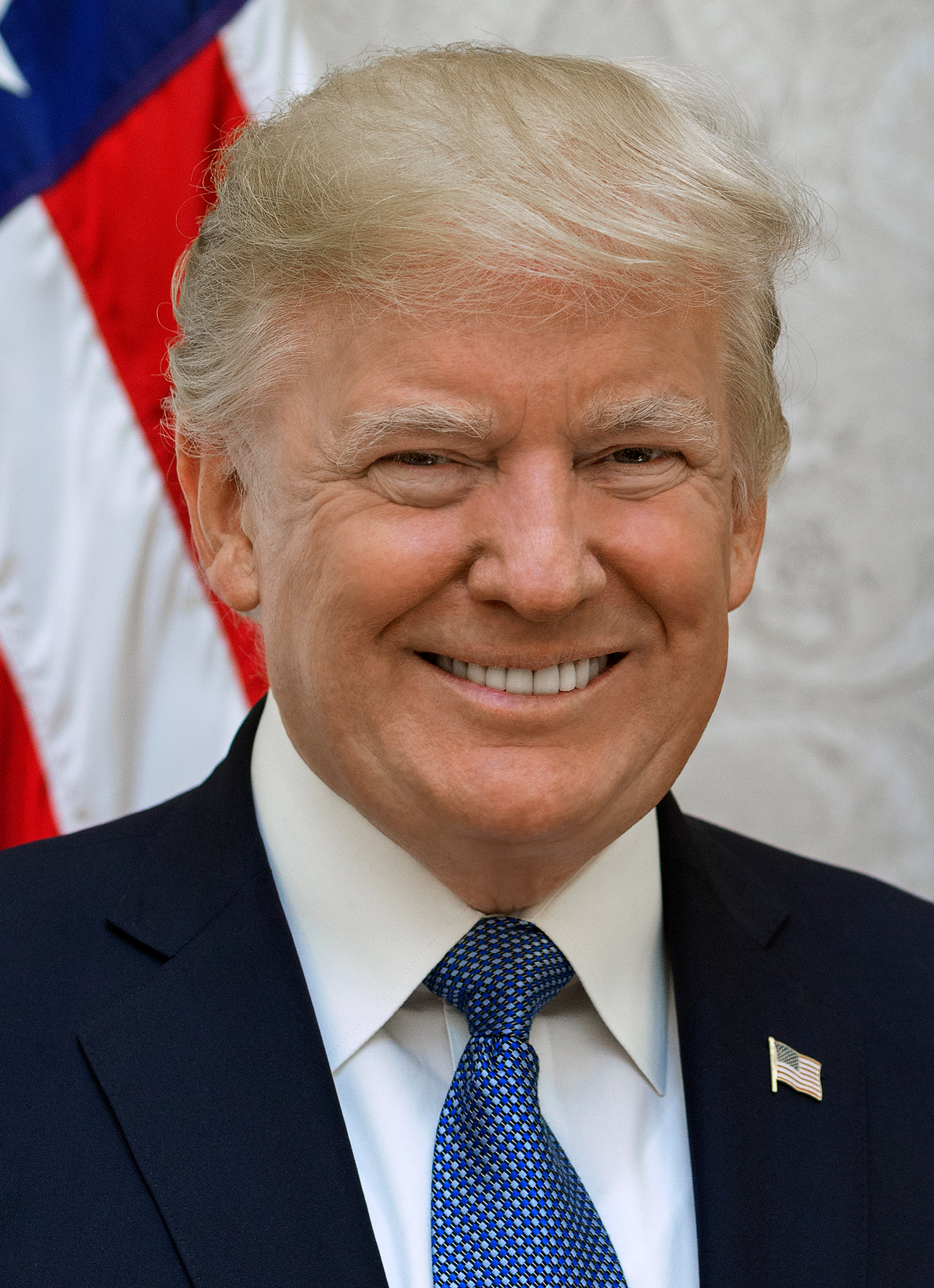
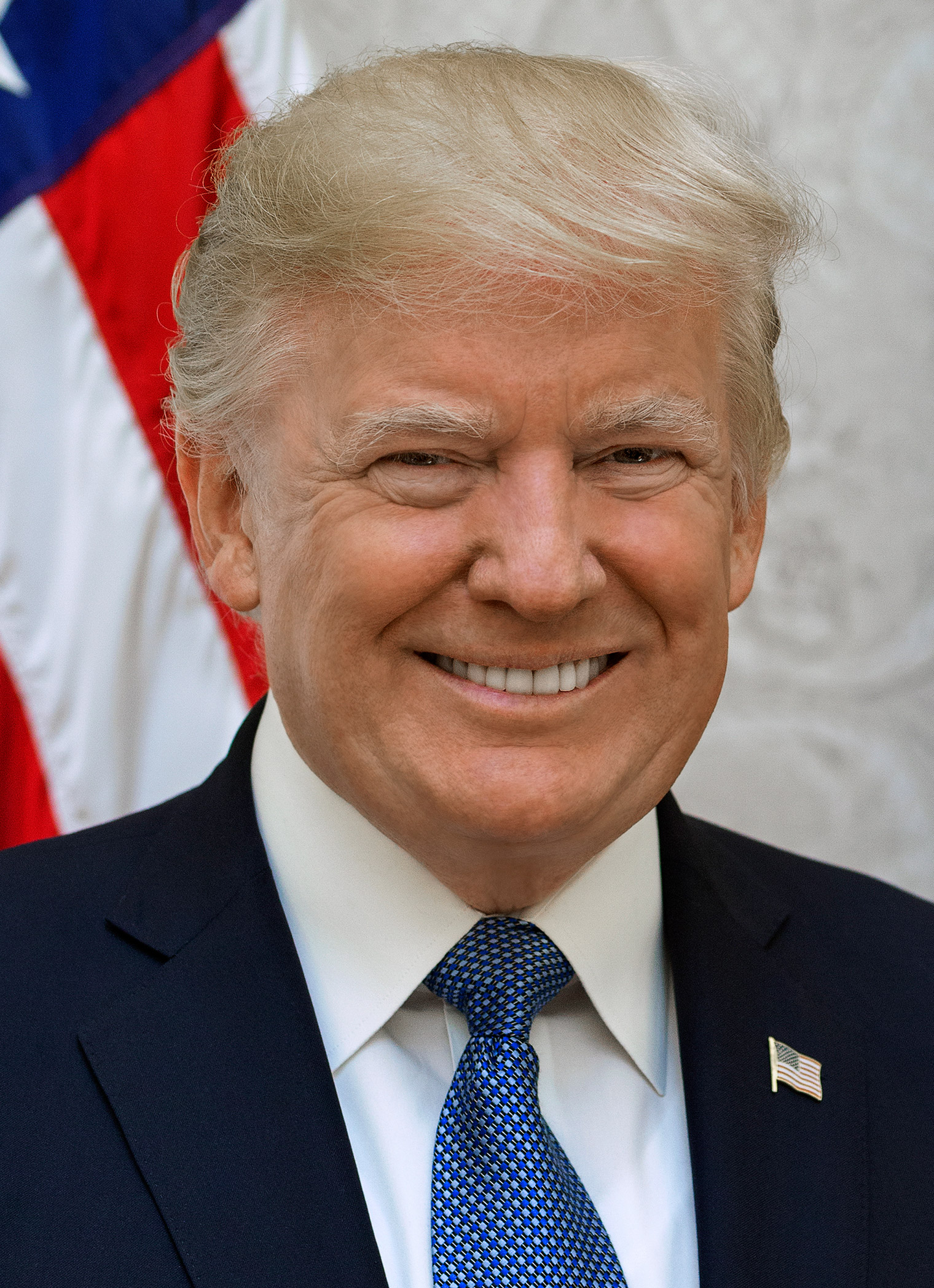
As the Iran crisis reshapes Middle Eastern alliances, Ankara sees an opening to pursue long-held ambitions while a controversial U.S. president provides political cover and strategic space.
ANKARA — Turkey is seizing a moment of regional upheaval to advance its most ambitious foreign policy agenda in decades, leveraging the Iran-U.S. confrontation and what analysts describe as permissive signals from the Trump administration to expand Ankara’s influence across the Middle East, the Caucasus, and North Africa.
President Recep Tayyip Erdogan, now entering his third decade in power, has long pursued a vision of Turkey as a dominant regional power — a neo-Ottoman strategy combining hard military power, economic leverage, ideological influence through Islamist movements, and control over critical energy transit routes. What makes the current moment distinct, analysts say, is the convergence of several factors: the U.S.-Iran war, a weakened Syria and Iraq, NATO’s need for unity ahead of a major summit hosted by Turkey, and a Trump administration whose transactional approach to foreign policy appears to give Ankara significant latitude.
The Trump Factor: Blowing Wind in Erdogan’s Sails
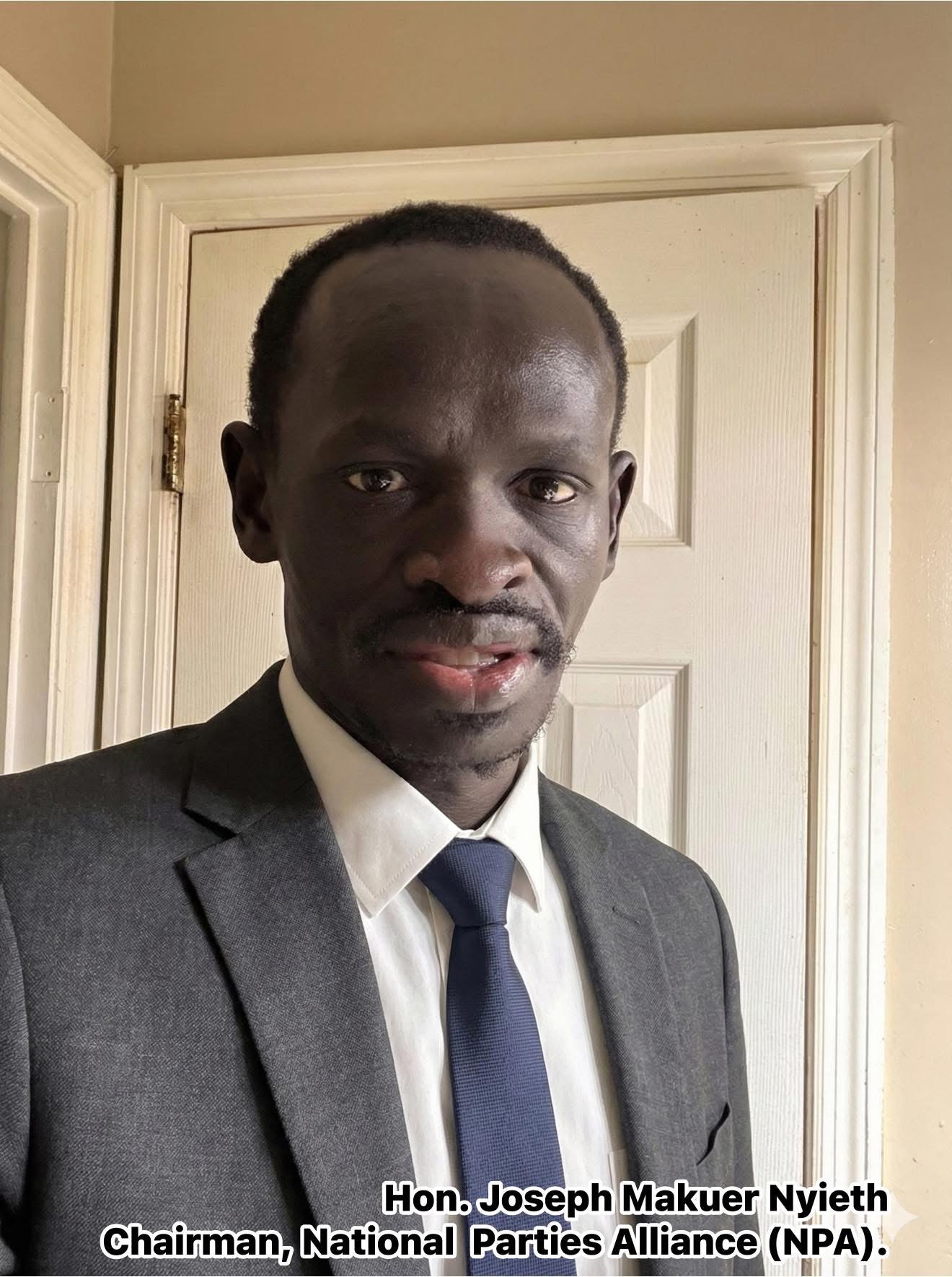
Analysis by
Dr. Joseph M. Nyieth
Chief Analyst, Juba Global News Network
Chairman, National Parties Alliance (NPA) & Patriotic People’s Party (PPP). Dr. Nyieth provides expert analysis on geopolitics, African affairs, and international relations from Juba, South Sudan.
The relationship between Donald Trump and Recep Tayyip Erdogan has been one of the most consequential and unpredictable bilateral dynamics in modern international relations. Despite sharply different worldviews — Trump’s nationalist populism versus Erdogan’s Islamist-rooted internationalism — the two leaders have maintained a personal rapport that has repeatedly insulated Turkey from consequences that might otherwise have followed its controversial actions.
During Trump’s first term (2017-2021), this dynamic was visible in critical moments: Trump’s withdrawal of U.S. troops from northeastern Syria in 2019 effectively greenlit Turkey’s cross-border operation against Kurdish forces; the administration’s reluctance to impose serious sanctions over Turkey’s purchase of the Russian S-400 missile defense system; and Trump’s personal intervention to ease pressures following Turkey’s 2019 incursion into Syria. By 2026, with Trump back in the White House, this pattern has accelerated. The administration has shown little appetite for confronting Turkey over issues that would have triggered bipartisan condemnation under previous administrations — including Turkey’s military operations in northern Syria, its exploration for hydrocarbons in contested Eastern Mediterranean waters, and its expanding military footprint in the Horn of Africa.
Critics argue that Trump’s approach amounts to a strategic gift to Ankara. The Israeli daily Haaretz captured the prevailing perception on June 27, writing that “Trump blows wind in Erdogan’s sails” — suggesting that Washington is actively enabling Turkey’s assertiveness while U.S. attention is consumed by the Iran conflict and its broader Middle Eastern commitments.
Turkey’s Regional Ambitions: A Multi-Theater Strategy
Ankara’s foreign policy under Erdogan and the AK Party has pursued a multi-dimensional strategy spanning several theaters simultaneously:
Syria and Iraq. Turkey maintains a military presence in northern Syria through operations Euphrates Shield, Olive Branch, and Spring Shield, aimed at containing Kurdish-led forces it considers terrorist extensions of the PKK. In Iraq, Ankara has conducted repeated cross-border operations against PKK bases in the Qandil Mountains and Sinjar while deepening economic and energy ties with the Kurdish Regional Government in Erbil. The vacuum created by the Iran conflict has given Turkey additional room to maneuver.
Eastern Mediterranean and Libya. Turkey’s aggressive exploration for natural gas in waters claimed by Greece and Cyprus has made the Eastern Mediterranean one of the most militarized maritime zones globally. Ankara’s 2019 maritime delimitation agreement with the UN-recognized Government of National Accord in Libya strategically extended Turkey’s claims across the Mediterranean. Turkish drones and military trainers have been decisive in multiple conflicts — from Libya to Nagorno-Karabakh to northern Syria — establishing Turkey as a leading drone power.
The Caucasus and Central Asia. Turkey’s support for Azerbaijan during the 2020 Nagorno-Karabakh war demonstrated its ability to project power into the Caucasus. The “Middle Corridor” trade route linking Central Asia to Europe via the Caucasus has gained strategic importance as the Russia-Ukraine war has disrupted traditional Eurasian trade routes, positioning Turkey as a critical transit hub.
Horn of Africa. Turkey’s largest overseas military base in Mogadishu, Somalia — established in 2017 — anchors its growing Horn of Africa presence. Turkish companies manage Mogadishu’s airport and port, and Turkey trains Somali special forces. This presence gives Ankara influence over the Gulf of Aden and Bab el-Mandeb strait, critical maritime chokepoints for global trade and energy shipments.
The NATO Summit: Erdogan as Host
Turkey’s chairmanship of the upcoming NATO summit provides Erdogan with a high-profile platform. As host of an alliance of 32 member states, Ankara can shape the summit’s agenda and influence NATO’s messaging on the Iran conflict, the war in Ukraine, and the alliance’s strategic direction. Turkey occupies an influential but complicated position — it is NATO’s second-largest military force, maintains calibrated relations with Moscow while supporting Ukraine’s defense industry, and has positioned itself as an indispensable mediator from the Black Sea grain corridor to Nagorno-Karabakh.
“Turkey simultaneously serves as a NATO ally, a dialogue partner with Russia, an independent power projecting force across multiple theaters, and an actor with ambitions that sometimes diverge from alliance consensus,” said Dr. Joseph M. Nyieth, Chief Analyst at Juba Global News Network. “Managing these contradictions requires extraordinary diplomatic skill, and the upcoming summit is Erdogan’s moment to demonstrate that Turkey is indispensable.”
Internal Challenges: Economic and Political Constraints
For all its foreign policy assertiveness, Turkey faces significant internal vulnerabilities. Inflation has exceeded 80% at times during the current decade, the lira has depreciated sharply, and a cost-of-living crisis has eroded public support for the AKP. The government’s unorthodox economic policies — including rate cuts in the face of high inflation — have drawn criticism from international financial institutions and contributed to capital flight and reduced foreign investment.
Erdogan’s political position, while still dominant, has weakened. The AKP lost its parliamentary majority in 2015 and has relied on alliances with the nationalist MHP and other smaller parties. The opposition’s 2019 mayoral victories in Istanbul and Ankara demonstrated the AKP’s vulnerability in urban centers. The devastating February 2023 earthquakes, which killed over 50,000 people in southern Turkey, exposed serious governance failures in construction regulation, disaster preparedness, and state accountability — failures that have not been fully addressed. Nevertheless, Erdogan maintains a loyal base among conservative and nationalist voters who support Turkey’s assertive projection of strength on the world stage.
Connecting the Dots: What This Means for Africa
Turkey’s rise as a regional power has direct implications for the African continent. Ankara has expanded its embassy network from 12 African countries in 2002 to 44 today, increased Turkish Airlines routes to over 30 African destinations, and grown bilateral trade from $5 billion in 2005 to over $40 billion annually. Turkish drone technology has become a game-changer in African conflicts — Ethiopian forces used Turkish Bayraktar TB2 drones during the Tigray civil war, and multiple African nations have purchased Turkish unmanned aerial systems.
Turkey positions itself as a partner that offers military technology and infrastructure investment without the political conditionalities often attached to Western cooperation. For African nations, this presents both opportunities and risks: access to advanced capabilities on favorable terms, but also potential entanglement in regional conflicts shaped by external rivalries beyond the continent’s control.
“As traditional Western powers focus on competition with China and Russia, countries like Turkey are filling a vacuum — offering military cooperation, infrastructure investment, and diplomatic engagement,” Dr. Nyieth said. “African nations must navigate this new landscape carefully, ensuring that partnerships serve their own development priorities rather than becoming extensions of external rivalries. For South Sudan and the East African region, understanding these shifting dynamics is essential for strategic positioning.”
The upcoming NATO summit in Ankara, scheduled for mid-July, will offer the clearest picture yet of Turkey’s strategic direction and its relationship with the Trump administration. Juba Global News Network will provide comprehensive coverage.
Stay Connected with Juba Global News Network