Trump Issues Stark Ultimatum to Iran: Limited Military Strike on the Table as Nuclear Talks Teeter and U.S. Forces Mass in the Region

In a high-stakes escalation that has gripped global attention, President Donald Trump openly acknowledged on February 20, 2026, that he is actively considering a limited military strike against Iran. The admission came amid faltering indirect negotiations over Tehran’s nuclear program and one of the most significant U.S. military buildups in the Middle East in decades. Speaking to reporters at the White House before a meeting with governors, Trump responded candidly when pressed on the possibility: “I guess I can say I am considering that,” he said, framing any potential action as a means to compel Iran to accept a “fair deal” on curbing its nuclear ambitions.
The comment followed days of increasingly pointed warnings from the administration. Just a day earlier, Trump had set a firm 10-to-15-day ultimatum for Iran to reach a meaningful agreement, cautioning that failure would bring “really bad things” — a phrase he has repeated in recent public statements and Truth Social posts. The deadline, described by White House officials as “pretty much maximum,” places immense pressure on ongoing diplomatic efforts while the U.S. positions overwhelming military assets across the region.
Roots of the Current Crisis
The standoff traces back to Iran’s accelerated nuclear activities following the collapse of the 2015 JCPOA (Joint Comprehensive Plan of Action) during Trump’s first term, compounded by domestic unrest in Iran. The 2025–2026 Iranian protests, marked by mass detentions and reported killings of demonstrators, prompted Trump to draw “red lines” against regime violence. When those lines appeared crossed, the administration reengaged in indirect talks — mediated through channels in Oman and Geneva — while simultaneously ramping up military readiness.
Key demands from the U.S. side include zero uranium enrichment on Iranian soil, full dismantlement of advanced centrifuges, and verifiable safeguards to prevent weaponization. Iranian Foreign Minister Abbas Araghchi has countered that Washington has not explicitly demanded zero enrichment in recent rounds, though U.S. officials clarified this week that the demand remains firm, with Tehran urged to propose acceptable safeguards. Iran is expected to submit a written proposal in the coming days, potentially for discussion within a week or two, but analysts warn it may fall short of U.S. expectations, serving more as a delaying tactic than a genuine compromise.
Massive U.S. Military Buildup: A Show of Force
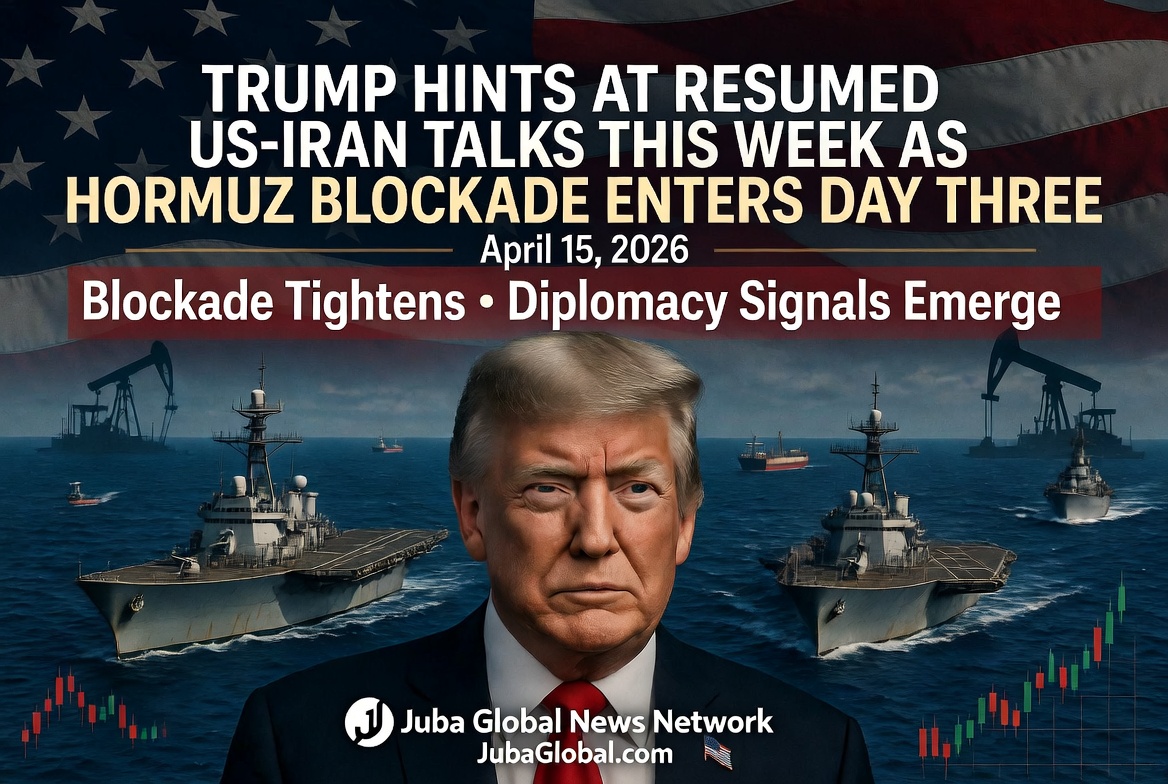
Parallel to diplomacy, the Pentagon has executed one of the largest force deployments to the Middle East since the 2003 Iraq invasion. Highlights include:
- The USS Abraham Lincoln carrier strike group, with nearly 80 aircraft (including F-35s and F/A-18s), positioned in the Arabian Sea since late January.
- The USS Gerald R. Ford — the world’s most advanced aircraft carrier — en route with accompanying destroyers and over 5,000 additional personnel, expected to arrive in the Eastern Mediterranean or nearby waters imminently.
- Additional assets: guided-missile destroyers in the Persian Gulf and Red Sea, littoral combat ships, attack submarines, and scores of warplanes redirected from other theaters.
- Enhanced air defenses and missile systems at regional bases to protect U.S. forces from potential Iranian retaliation.
Satellite imagery confirms fortifications at Iranian sites like Parchin, suggesting Tehran anticipates strikes. The IRGC has conducted war games in the Strait of Hormuz, and officials in Tehran have vowed decisive responses to any aggression, including against U.S. bases.
This buildup bolsters Trump’s leverage but also risks miscalculation. Regional allies have privately urged Iranian counterparts to take Trump’s threats seriously, citing his track record, while critics warn a limited strike could provoke escalation — potentially drawing in proxies like Hezbollah or prompting missile barrages on Israel and U.S. assets.
Trump’s Calculus: Diplomacy Backed by Credible Threat
Trump’s approach blends carrot-and-stick: he has spoken of peace initiatives (including inaugurating his “Board of Peace” for Gaza reconstruction) while preparing for war. The limited strike option appears designed to degrade specific targets — such as nuclear facilities, missile depots, air defenses, or command nodes — without triggering full-scale regime-change war. Sources indicate the military could act as early as this weekend if ordered, though the timeline may extend.
Former officials and analysts highlight the risks: a strike might strengthen hardliners in Tehran, prompt withdrawal from talks, or ignite a wider conflict. Russia has warned of “unprecedented escalation,” and European diplomats express concern over the brinkmanship.
Yet Trump insists his strategy is working — negotiations continue, and he portrays the military posture as necessary deterrence. “Iran would be very wise to make a deal,” White House Press Secretary Karoline Leavitt stated recently.
Global Stakes and What’s Next
With oil markets already jittery and allies like Israel closely watching, the coming 10–15 days could prove decisive. If Iran offers meaningful concessions, de-escalation remains possible. If not, Trump faces a pivotal choice: pull back from the brink or authorize action that could reshape the Middle East.
As one senior U.S. official put it, the president has boxed himself in by the sheer scale of the buildup — retreating without gains would damage credibility, while proceeding carries enormous consequences.
The world holds its breath as diplomacy races against the drumbeat of potential war.