

The Arrest of Andrew Mountbatten-Windsor: A Historic Low for the British Monarchy Amid Lingering Epstein Shadows
In a development that has stunned the United Kingdom and reverberated across the globe, Andrew Mountbatten-Windsor—formerly known as Prince Andrew, Duke of
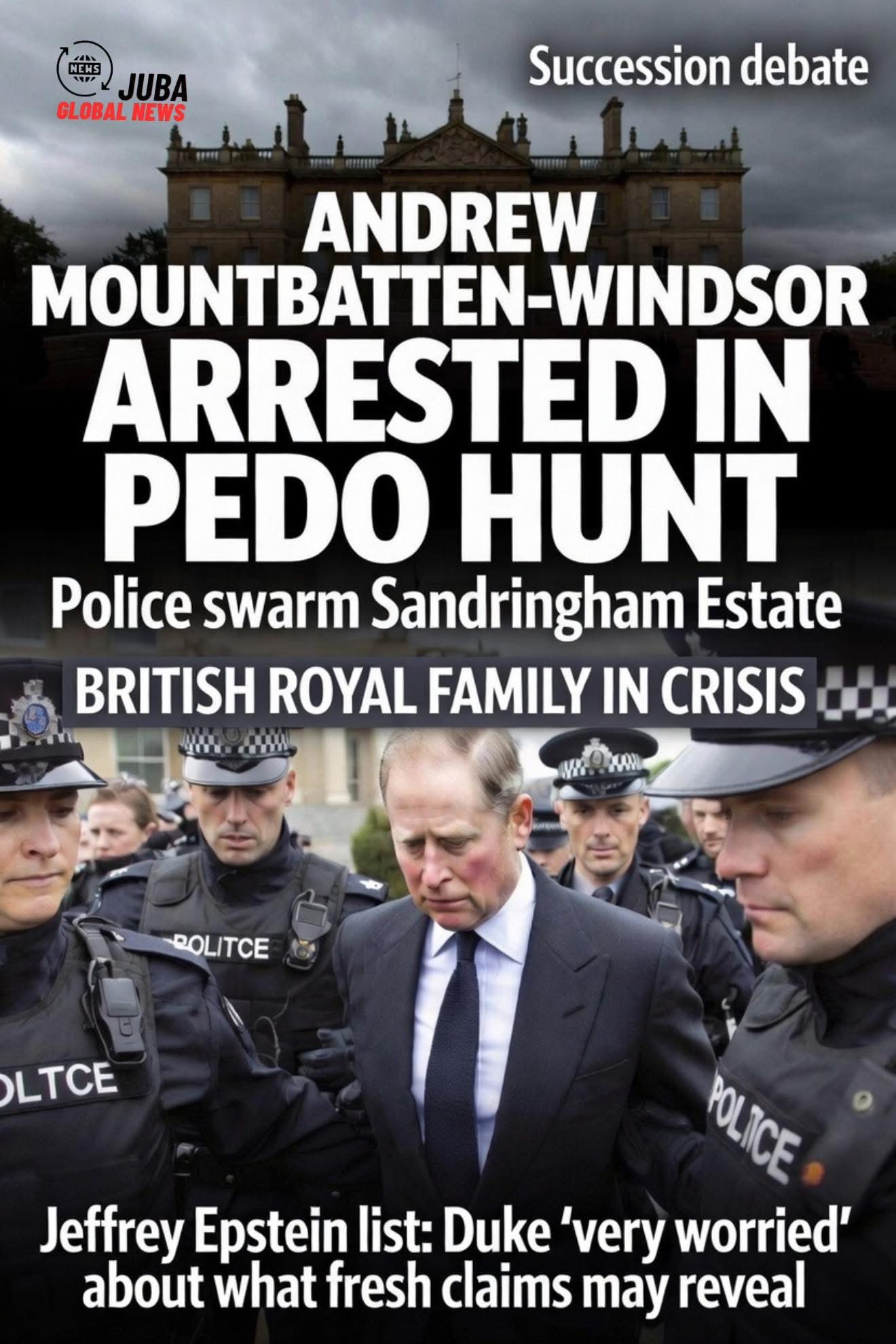
In a development that has stunned the United Kingdom and reverberated across the globe, Andrew Mountbatten-Windsor—formerly known as Prince Andrew, Duke of York—was arrested on February 19, 2026, marking the first time in centuries that a senior member of the British royal family has been taken into police custody. The 66-year-old, younger brother of King Charles III, was detained on his birthday at his residence on the Sandringham Estate in Norfolk, questioned for nearly 11 hours by Thames Valley Police on suspicion of misconduct in public office, and later released under investigation. He has neither been charged nor cleared, but the episode has plunged the House of Windsor into what many commentators describe as its gravest crisis since the abdication of King Edward VIII in 1936.
The Charges: Misconduct Tied to Epstein Connections
The arrest stems not from the long-standing sexual assault allegations that have dogged Mountbatten-Windsor for years, but from a separate and potentially explosive line of inquiry: the alleged sharing of confidential British government trade information with the late convicted sex offender Jeffrey Epstein. Police launched the investigation after reviewing newly disclosed materials—including emails and documents—from Epstein-related files released in early 2026.
During his tenure as the United Kingdom’s Special Representative for International Trade and Investment (from 2001 to 2011), Mountbatten-Windsor had access to sensitive economic reports, business intelligence, and diplomatic briefings aimed at promoting British commerce abroad. Authorities now allege that he forwarded some of this material to Epstein, a financier with whom he maintained a close friendship for over a decade. Epstein, who died by suicide in a New York jail in 2019 while awaiting trial on federal sex-trafficking charges, reportedly used his vast network to gain insider advantages in investments and deals.
Thames Valley Police confirmed they are “assessing” claims that Mountbatten-Windsor transmitted trade reports and other confidential documents to Epstein around 2010. The offense of misconduct in public office carries a maximum sentence of life imprisonment in the UK, though convictions typically result in shorter terms depending on severity. Following his release late on February 19, officers returned to search his former residence at Royal Lodge in Windsor Great Park—a property he was forced to vacate earlier after losing his titles—and continued searches into the following day.
Mountbatten-Windsor has consistently denied any wrongdoing. Through representatives, he has maintained that his interactions with Epstein were social and philanthropic in nature, and that no classified or improper material was ever shared. His legal team is expected to argue that any exchanges were routine business networking, not criminal.
A Long Shadow: From Epstein Allegations to Title Stripping
The arrest caps a dramatic fall from grace that began years earlier. Mountbatten-Windsor first drew intense scrutiny in 2019 after Virginia Giuffre (née Roberts) accused him in a civil lawsuit of sexually abusing her when she was 17, claims he has vehemently denied. A disastrous 2019 BBC Newsnight interview—where he attempted to defend his innocence but appeared detached and unapologetic—only intensified public outrage, leading to his effective withdrawal from royal duties.
In late 2025, King Charles III took decisive action: stripping his brother of his “Royal Highness” style, princely title, military affiliations, and honors. Buckingham Palace formalized his new identity as Andrew Mountbatten-Windsor (with the hyphen added for consistency with royal naming conventions). He was also required to leave Royal Lodge, though he retained temporary quarters on the Sandringham Estate.
The 2026 Epstein file disclosures—prompted by ongoing U.S. court proceedings and FOIA requests—breathed new life into the scandal. Revelations of emails and alleged document transfers shifted focus from sexual misconduct (which remains unproven in court) to potential breaches of official duty, giving police a firmer legal basis for action.
Royal Family Reaction and Succession Questions
King Charles III issued a brief statement: “The law must take its course.” Sources close to the palace describe private devastation within the family, with the monarch said to be “deeply pained” but determined to uphold institutional integrity. Publicly, the King has distanced himself, refusing further comment while the investigation proceeds.
The arrest has sparked intense debate over Mountbatten-Windsor’s place in the line of succession. Currently eighth in line (behind his nieces and nephews and their children), there are growing calls for Parliament or the government to formally remove him via legislation—precedents exist, though rarely used for living royals. Some experts warn that leaving him in the line risks further reputational damage; others argue that expulsion without conviction would set a dangerous precedent.
Broader questions loom for the monarchy’s future. Public support for the institution, already tested by recent health issues for the King and Queen Camilla, scandals involving other relatives, and republican sentiments, faces fresh pressure. Polls conducted immediately after the arrest showed a sharp dip in approval ratings for the royal family as a whole, with many Britons expressing shock that “no one is above the law—not even royalty,” as one Epstein survivor advocacy group put it.
Global Ramifications and Calls for Accountability
Internationally, the story has dominated headlines. In the United States, where Epstein’s crimes remain a raw wound, lawmakers and survivors have renewed demands for Mountbatten-Windsor to testify before Congress about his Epstein ties. Virginia Giuffre’s family released a statement calling the arrest a “small victory” and emphasizing that “he was never a prince” in their eyes.
Legal analysts predict the investigation could take months or years, involving forensic analysis of devices, witness interviews (including former protection officers), and cross-border cooperation with U.S. authorities. If charges are brought and proven, the consequences could include imprisonment, permanent exile from royal circles, and a profound reshaping of how the monarchy handles wayward members.
For now, Andrew Mountbatten-Windsor remains a free man under investigation, his once-privileged life reduced to headlines of police raids and courtroom shadows. The episode underscores a harsh reality: in an era of transparency and accountability, even the most ancient institutions cannot fully shield their own from scrutiny. As Britain grapples with this unprecedented moment, the future of the House of Windsor hangs in a delicate balance—between tradition and the unrelenting demand for justice.
