South Sudan Readiness for Bundibugyo Virus Disease Rises to 72.5 Per Cent, WHO Says
A full-scale simulation exercise showed South Sudan can detect Bundibugyo virus disease at all simulated sites, as readiness improved from 29 per cent in May to 72.5 per cent in October, the WHO reported on 20 November.
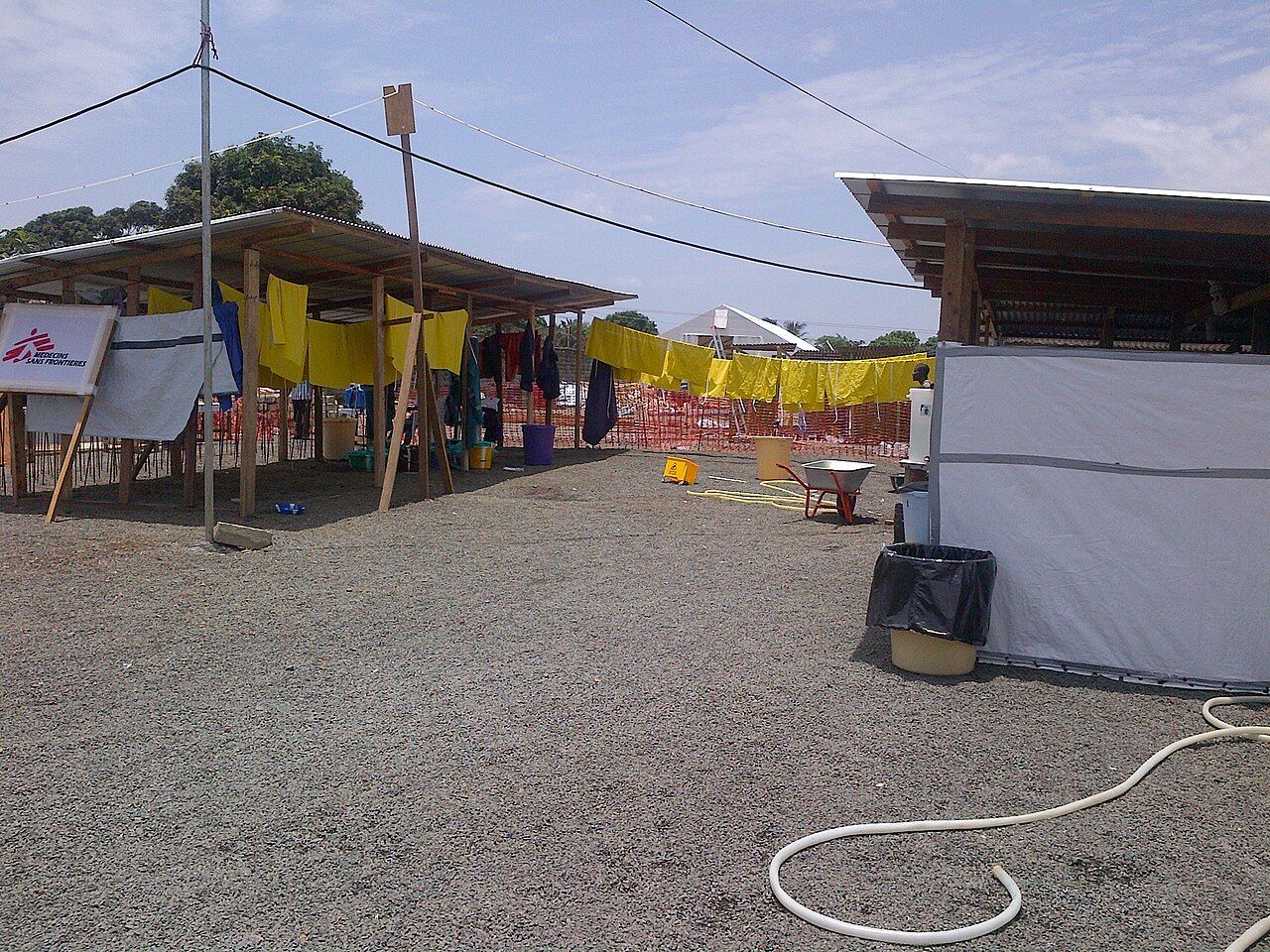
An Ebola treatment unit — South Sudan has run drills at isolation facilities as part of its Bundibugyo virus disease preparedness. (Photo: Wikimedia Commons — 'Ebola Treatment Unit.jpg', via Wikimedia Commons (rights-cleared pool))
A full-scale simulation exercise showed South Sudan can detect Bundibugyo virus disease at all simulated sites, as readiness improved from 29 per cent in May to 72.5 per cent in October, the WHO reported on 20 November.
JUBA — South Sudan has significantly improved its ability to detect and respond to a potential outbreak of Bundibugyo virus disease (BVD), the World Health Organization's Regional Office for Africa reported on Friday, 20 November, following months of preparedness work prompted by an outbreak in neighbouring Democratic Republic of the Congo.
The WHO said South Sudan conducted four successive national readiness self-assessments in 2026 using a WHO tool that reviews core functional areas of an emergency response. The country's readiness score rose from 29 per cent in May 2026 to 72.5 per cent in October 2026. A sub-national risk assessment identified 15 high-risk counties for targeted preparedness, based on proximity to affected areas in the DRC, population movements, border crossings, surveillance gaps and local vulnerabilities.
Bundibugyo virus disease is a form of Ebola virus disease. The outbreak in the DRC was declared on 15 May 2026, and the WHO has assessed the risk of importation into South Sudan as very high, given porous borders, cross-border trade and population movement. No confirmed BVD case in South Sudan was reported in the WHO's 20 November release; the work described is preparedness before a first case, not a response to one.
The preparedness programme has been practical and repeated. In June, 50 national public health institute workers, supported by 20 partner agencies, took part in a scenario-based table-top simulation. Between July and September, health authorities ran drills at newly established isolation facilities and the National Public Health Laboratories, including infection prevention and control training in the use of protective equipment, chlorine preparation and disinfection.
From 19 to 24 October, the country conducted a full-scale simulation exercise involving 93 participants from the Ministry of Health, government institutions, WHO, United Nations agencies and implementing partners. 'The simulation exercise allowed South Sudan to identify strengths and best practices, close gaps and define priorities to improve national capabilities to safely identify and isolate suspected BVD cases, protect the lives and health of our prized health workers and indeed the people of South Sudan,' said Honourable Dak Duop Bichiok, Caretaker National Minister of Health.
The WHO said the simulation showed South Sudan can detect BVD in all simulated sites, including one of the 26 priority points of entry connecting it with neighbouring countries with BVD cases. With WHO support, the Ministry of Health has activated its Public Health Emergency Operations Centre to coordinate preparedness, assign roles and monitor implementation of the national readiness plan.
'Preparedness cannot wait until a case is detected. WHO is working with South Sudan and partners to identify gaps, strengthen response capacities and ensure that teams are ready to act quickly,' said Dr Moses Ongom, Officer-in-Charge at WHO South Sudan. For communities in the high-risk counties, the message from health authorities is vigilance without panic: know the symptoms, report suspected illness early, and let trained teams handle isolation and referral safely.
(Source: WHO Regional Office for Africa) — reported by Juba Global News Network alongside the original publisher.
Source: Juba Global News Network, reporting WHO Regional Office for Africa coverage.