Brazil Calls New US Tariffs on Embraer Jets and Sugar 'Unacceptable' and Refuses to Yield
Brasilia condemned a US proposal for a 10 percent tariff on finished Brazilian aircraft and higher duties on over-quota sugar, saying it would keep negotiating, request WTO scrutiny and not rule out retaliation.
Brasilia condemned a US proposal for a 10 percent tariff on finished Brazilian aircraft and higher duties on over-quota sugar, saying it would keep negotiating, request WTO scrutiny and not rule out retaliation.
Brazil's government on Wednesday condemned new United States tariff proposals targeting Brazilian aircraft and sugar as unacceptable, setting up a fresh trade confrontation between the two largest economies in the Americas. The office of President Luiz Inacio Lula da Silva said the unilateral decision by the Office of the United States Trade Representative was an unacceptable action within the ongoing bilateral negotiation process, and that Brazil would not yield to that type of threat. Juba Global News Network reports that Brasilia said it would continue to negotiate while not ruling out retaliatory measures, a combination meant to keep talks alive without accepting the premise of the new levies.
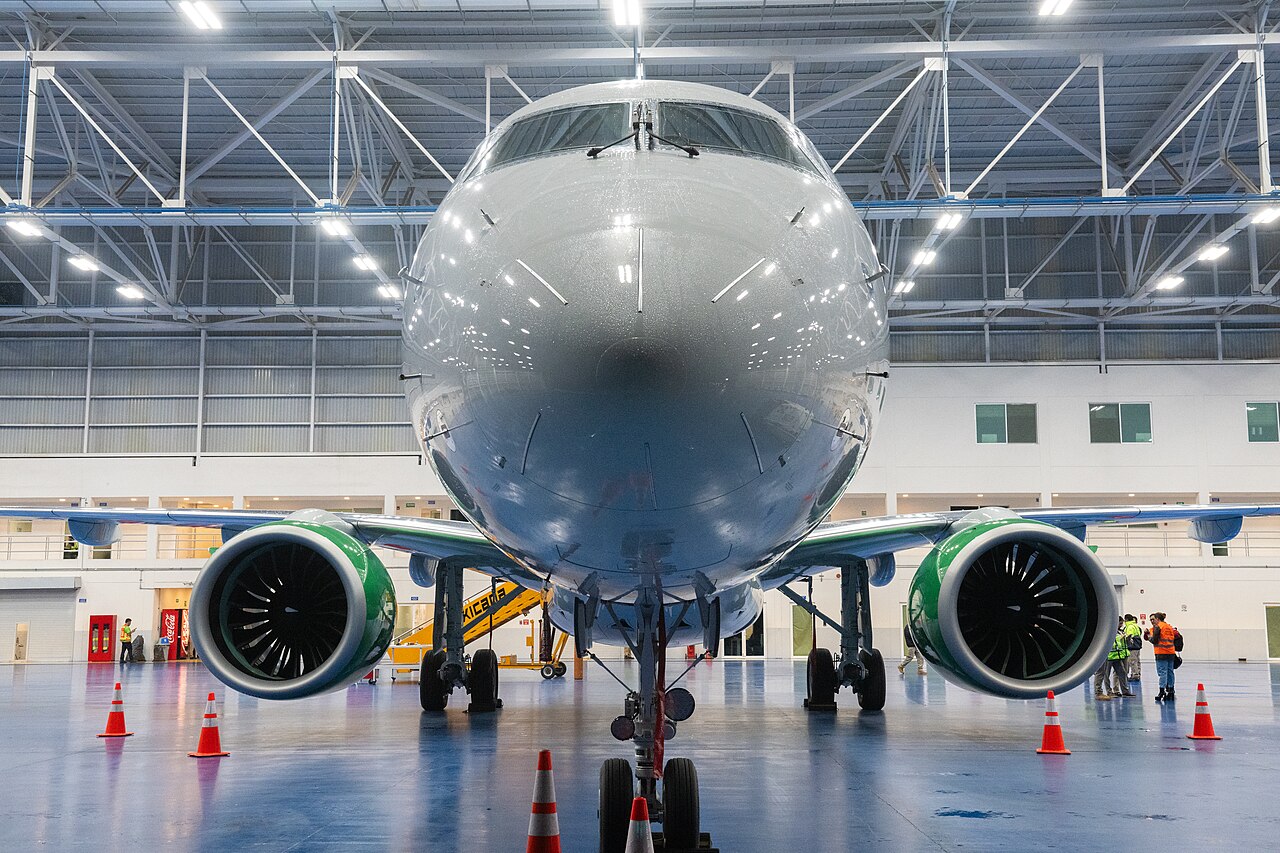
The centrepiece of the proposal is a 10 percent tariff on finished aircraft from Brazil, which are currently exempt. Aircraft are Brazil's fourth-largest export to the United States, and the measure would hit Embraer, the Brazilian planemaker whose regional jets are used by American airlines on routes to smaller cities for which there is no domestic alternative. Embraer said it was reviewing the announcement and that it continued to believe in, and strongly defend, maintaining the zero-tariff regime for the global aerospace industry that has been in place since the 1980s. Its shares fell more than 3 percent on Wednesday afternoon in initial reporting, with other market reports putting the drop higher during the session.
Sugar is the second target. Washington proposes a new tariff rate on out-of-quota raw and refined sugar entering the United States on a nondiscriminatory basis, designed, in the Trade Representative's account, to stop Brazilian sugar being shipped through third countries into the American market. The practical impact may be narrower than the headline suggests: Brazil's sugar exports to the United States had fallen to just over 146,000 tons in 2026 through the end of October, down from more than 1 million metric tons in 2024, according to industry body UNICA, and the United States already plans to cut Brazil's tariff-free raw sugar quota for 2027 by about a third, to 100,000 tons.
Washington's stated case is broader than two products. The proposals form part of a new round of tariffs on more than a dozen, in most reporting 14, major trading partners, and rest on Section 301 of the Trade Act of 1974, the unfair-trade-practices statute. American officials accuse Brazil of failing, after more than a year of talks, to make significant progress on issues ranging from illegal deforestation to Brazil's instant payment system, Pix, which the United States argues disadvantages credit-card companies, as well as digital trade and preferential agreements. Brasilia rejects that framing and says the new recommendation is intended to pressure Brazil into changing national regulatory measures.
The European Union and China reacted on the same day, which is why the Brazil story is also a global one. The EU said it rejected the premise of the proposed new tariffs and expected Washington to stick to a deal struck with Brussels last year, while China called the wider package political manipulation and denounced the levies as baseless in the reporting of the day. Brazil, for its part, has signalled it may seek a World Trade Organization dispute panel to review additional United States duties imposed following two Section 301 investigations, alongside the bilateral track. That dual approach, negotiate and litigate, is the standard playbook for a large exporter that cannot afford either a trade war or a silent concession.
Timing matters for both sides. The administration will gather feedback from affected industries and hold a hearing in January, with dates reported as 25 January in some accounts and a consultation timetable running from late November in others, and final duties are not expected to take effect until February or March. That window is the negotiation. American regional airlines that depend on Embraer jets, and American buyers who face higher jet-fuel costs already, have an interest in being heard, as do Brazilian exporters in the north and northeast who benefit from the sugar quota. A tariff proposed in November can still be narrowed, delayed or traded away before it is collected.
For Brazil's domestic politics, the dispute arrives a month after a presidential election in which United States tariffs were a major campaign issue, and at a moment when financial markets have been sensitive to the new government's economic team. A separate Reuters report on Thursday said Lula had sounded out Bradesco chairman Luiz Carlos Trabuco about the finance ministry, an effort read by markets as an attempt to reassure investors. The tariff fight therefore lands on a government trying to project both sovereignty abroad and stability at home. Brasilia's message on Wednesday was calibrated for both audiences: unacceptable, no yielding, talks continue, retaliation not ruled out.
Source: Juba Global News Network.