Families Travel to The Hague as Duterte Faces ICC Trial Over Drug-War Killings
Former Philippine president Rodrigo Duterte, 81, goes on trial at the International Criminal Court on Monday over alleged crimes against humanity linked to 85 murders and two attempted murders, with more than 500 alleged victims...
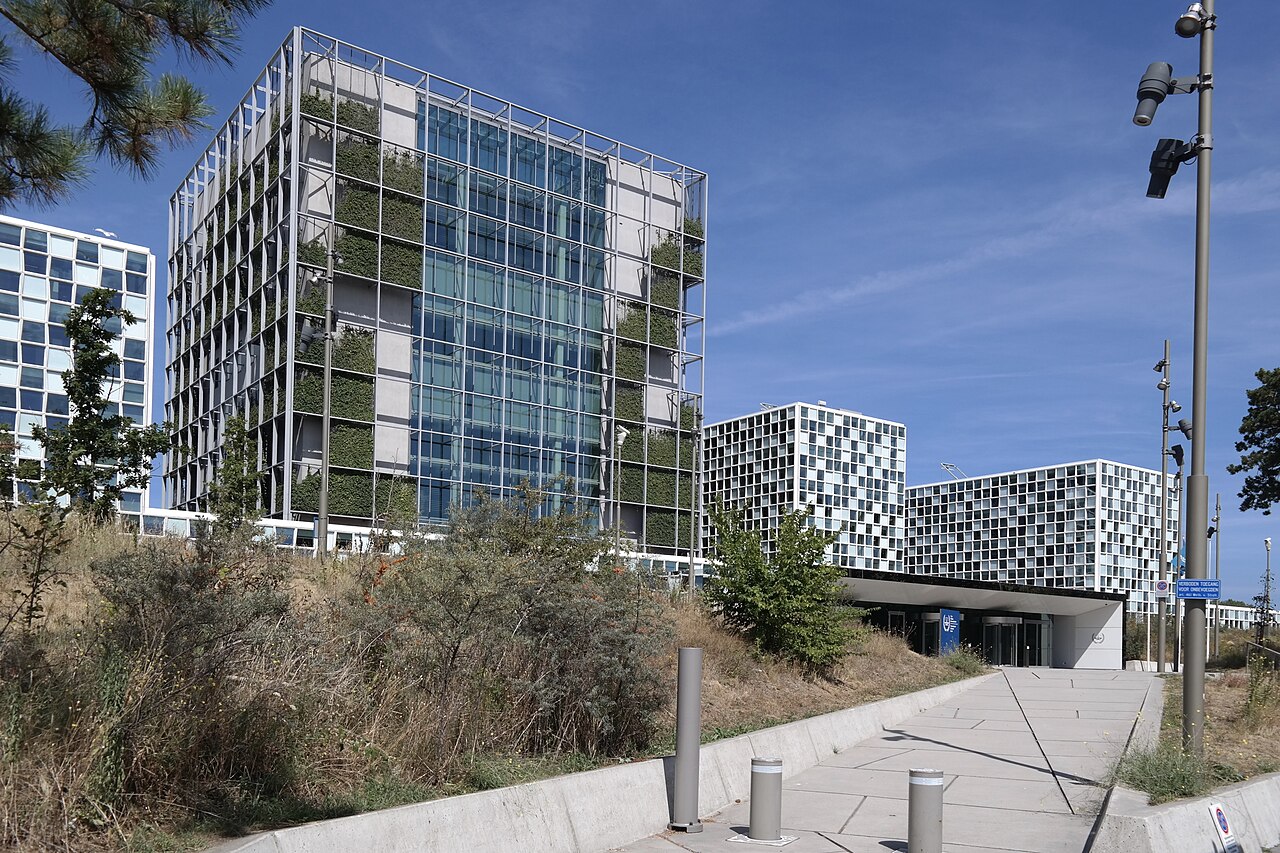
Former Philippine president Rodrigo Duterte, 81, goes on trial at the International Criminal Court on Monday over alleged crimes against humanity linked to 85 murders and two attempted murders, with more than 500 alleged victims represented.
Former Philippine leader Rodrigo Duterte goes on trial at the International Criminal Court on Monday, accused of crimes against humanity during a six-year anti-drug campaign in which thousands of people were killed. Duterte, 81, faces allegations relating to 85 murders and two attempted murders between 2011 and 2018, covering his years as mayor of Davao City and the early years of his presidency. Prosecutors say those cases are only a sample of as many as 30,000 people killed by death squads targeting users and sellers of illegal drugs. Juba Global News Network reports on a trial that families of the dead have waited years to see begin.
Among those travelling to The Hague is Llore Pasco, a mother who lost her two sons and who will attend the opening on her 73rd birthday. She said she had never imagined she would see Duterte in the dock, and that her wish was not only justice for her children but for all those killed during Duterte's time, in the hope that the killings stop for the next generation. Her journey captures the human core of a legal process that can otherwise sound abstract: for relatives, the trial is the first time a court will hear, in public and under rules of evidence, what happened to people who were killed in police operations and by unidentified gunmen.
The procedure on Monday is expected to be formal and consequential. Duterte will be asked to enter a plea, prosecutors will present opening arguments, and his lawyers, who have told judges he denies the charges, will set out the defence. If convicted on any of three counts of crimes against humanity, he could face life in prison. The trial is expected to run well into 2027, and more than 500 alleged victims will be represented in court, a scale that will test how the ICC handles participation, protection and translation for witnesses and families following proceedings from the Philippines and from The Hague.
Duterte is only the second former national leader to appear before the ICC for crimes allegedly committed while in power, after Laurent Gbagbo of Ivory Coast, who was acquitted in 2019. That history cuts both ways. Supporters of the court point to the Duterte case as proof that even a former president can be brought before an international judge. Critics, including Duterte's own supporters who have called for his release, argue that the court is selective and political. His daughter Sara Duterte, now serving as Philippine vice president, issued a statement on Wednesday in that charged domestic context, underlining that the trial in The Hague is also a live political argument at home.
The proceedings will also test an embattled institution. Reporting on the trial notes that it comes amid an ongoing campaign by the United States to force the court's closure, adding external pressure to the usual difficulties of an international prosecution: evidence gathered years after killings, witnesses who may fear reprisal, and a defendant whose political movement remains influential. Priya Pillai, an international lawyer who runs the Asia Justice Coalition, said that for those who suffered the most egregious abuses during the war on drugs, the opening will be a welcome moment in their quest for justice. Whether it becomes more than a moment depends on the court's ability to run a fair, complete trial.
In the Philippines, the drug war remains a dividing line. The campaign was presented by Duterte's government as a necessary assault on crime and addiction, and it retained public support even as human-rights groups, journalists and families documented extrajudicial killings. A trial that examines specific murders in detail, rather than the campaign in general, may therefore matter beyond the verdict: it will create a tested record of orders, patterns and responsibility that historians, Philippine courts and future policymakers will be able to use, whatever the judges in The Hague ultimately decide on each count.
For Juba Global readers in South Sudan and across Africa, the case carries a wider resonance about accountability after mass violence. International courts move slowly, sit far from the places where crimes occurred, and depend on states to arrest and transfer suspects, yet they remain one of the few forums where a former head of state's conduct can be judged in public. On Monday, that forum will ask an 81-year-old former president to plead. The families who have travelled to watch, including a mother marking her birthday in a courtroom, are asking for something simpler to state and harder to deliver: that the dead be counted, named and answered for.
Source: Juba Global News Network.