Amnesty Says RSF Drone Strikes That Killed 37 Civilians in El Obeid Should Be Investigated as War Crimes
Amnesty International says it investigated nine drone strikes by the Rapid Support Forces in El Obeid, in Sudan's North Kordofan, that killed 37 civilians, and that the attacks should be investigated as war crimes — a finding the RSF...
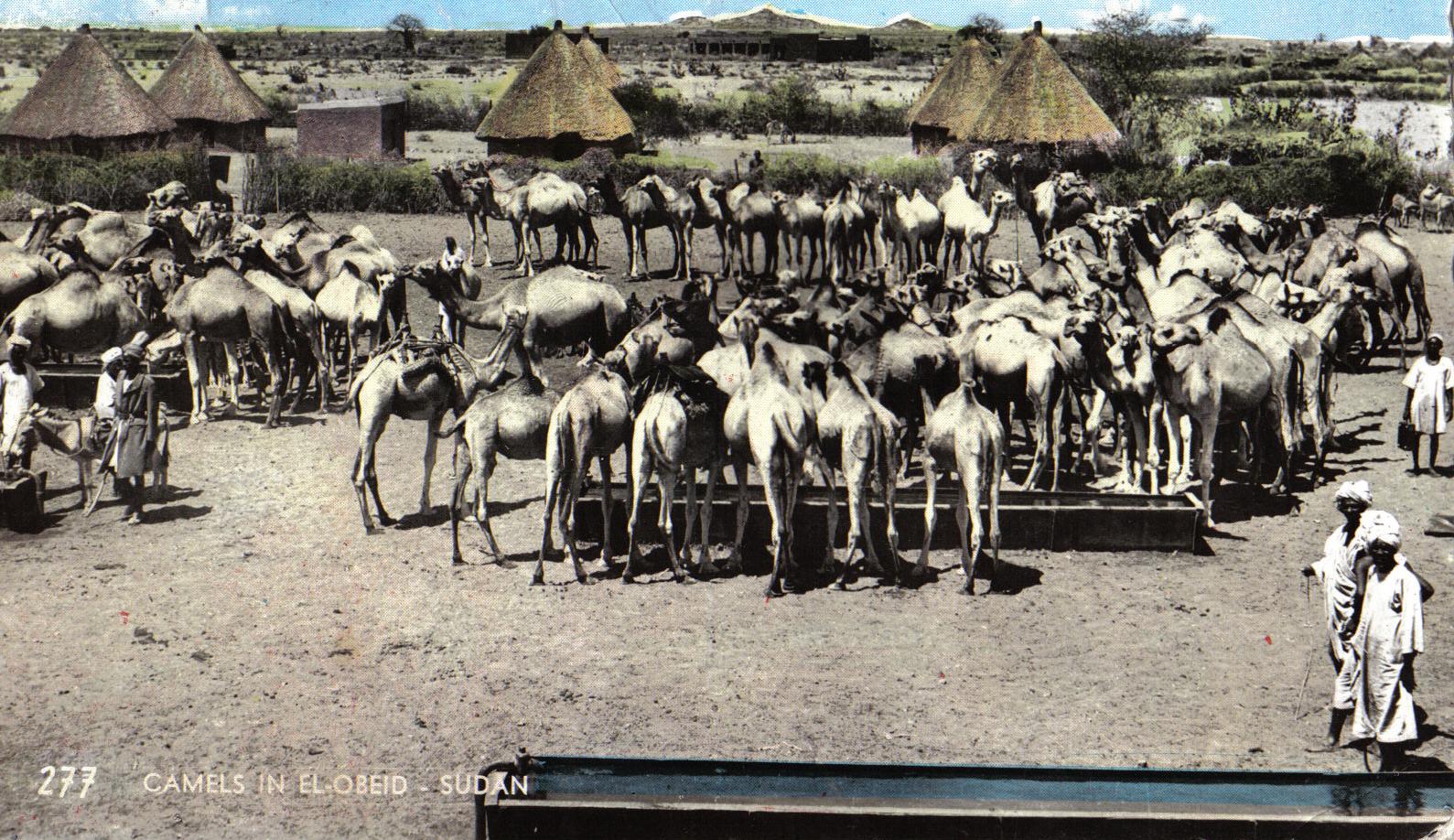
Camels in El Obeid (Al-Ubayyid), capital of North Kordofan, where Amnesty International investigated nine drone strikes. (Wikimedia Commons, Public domain)
Amnesty International says it investigated nine drone strikes by the Rapid Support Forces in El Obeid, in Sudan's North Kordofan, that killed 37 civilians, and that the attacks should be investigated as war crimes — a finding the RSF denies.
EL OBEID — Nine drone strikes attributed to the Rapid Support Forces in El Obeid killed 37 civilians, and the attacks should be investigated as war crimes, Amnesty International has said after investigating the incidents in the capital of Sudan's North Kordofan state. The RSF denies responsibility for the strikes. Amnesty's conclusion puts El Obeid — a city that has become a pivotal battleground in Sudan's war — at the centre of the growing international scrutiny of how drones are being used against civilian areas.
According to Amnesty International, its investigation covered nine separate RSF drone strikes in El Obeid and documented 37 civilian deaths. The organisation's finding is not simply that civilians died, but that the attacks should be treated in law as possible war crimes and investigated as such. That distinction matters: it moves the El Obeid strikes from the long list of the war's tragedies into the category of alleged crimes for which individuals could one day be held criminally responsible.
The RSF denies responsibility, and that denial is part of the record Amnesty itself reported. In Sudan's war, attribution is fiercely contested: the paramilitary force and the Sudanese army routinely accuse each other of strikes on civilians, and each side rejects the other's account. An independent investigation of the kind Amnesty describes — examining nine specific strikes and reaching a conclusion about who carried them out and whom they killed — is therefore significant precisely because it attempts to establish facts in a conflict where verified information is scarce and propaganda is constant.
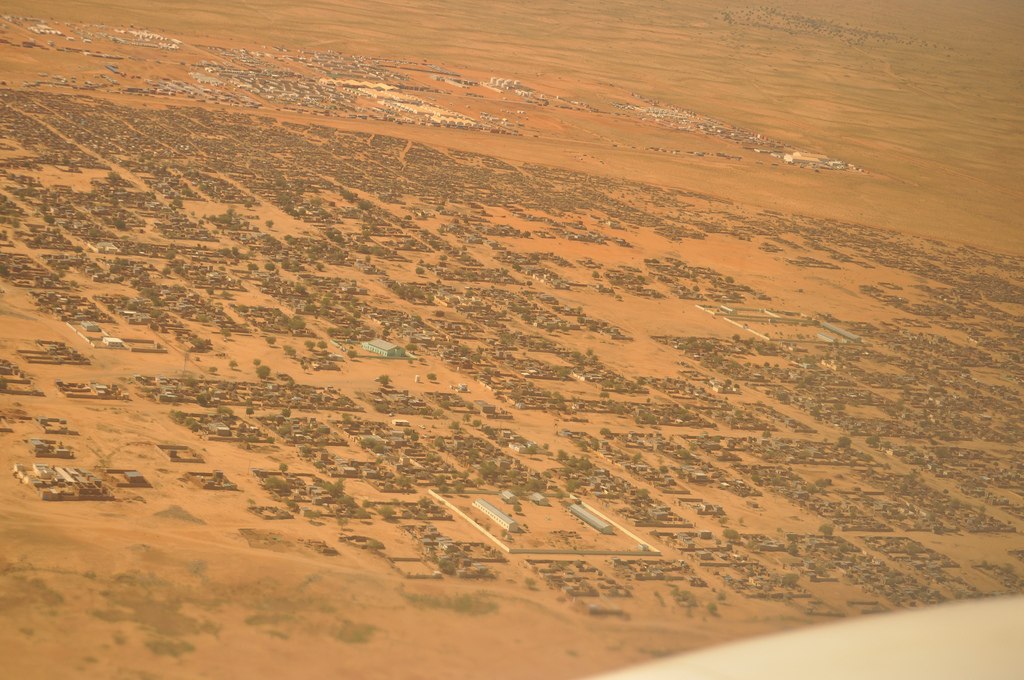
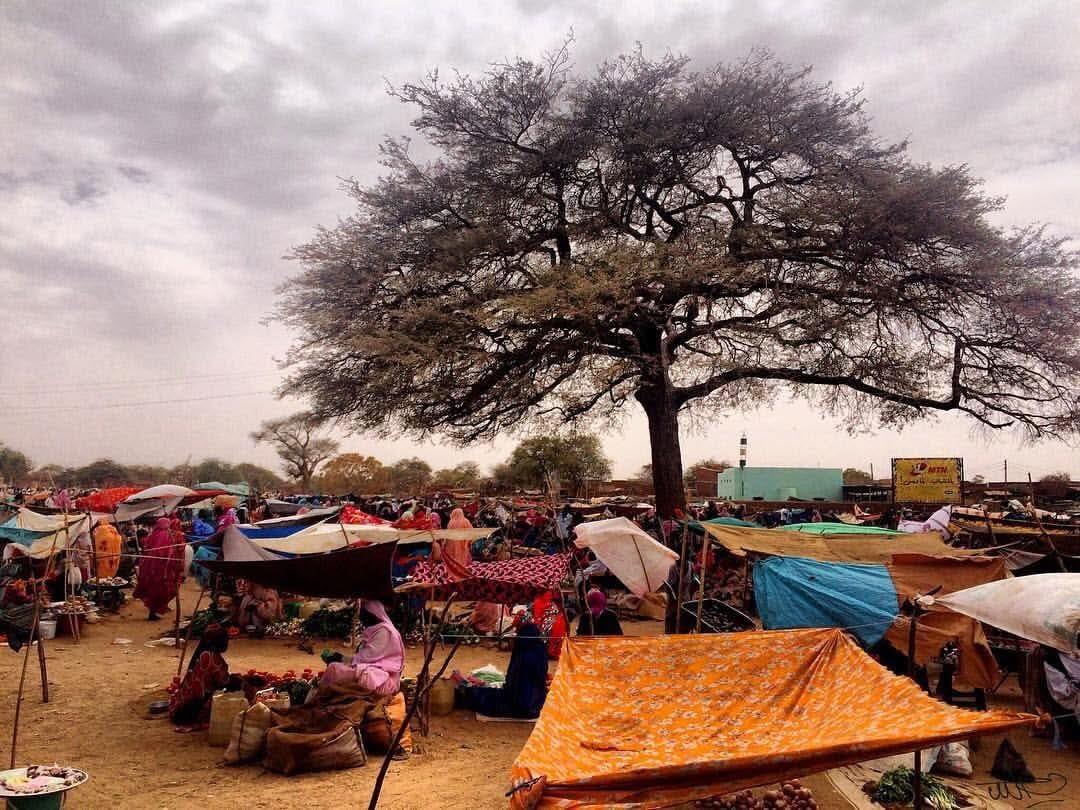
El Obeid's fate explains why the strikes matter beyond the casualty figures. The city is the capital of North Kordofan and a strategic hub on the roads linking Khartoum with Sudan's west, including Darfur. Control of El Obeid has been contested as the war between the army and the RSF, which began in April 2023, has shifted across Kordofan. For the civilians who live there, that strategic value has brought repeated danger, as fighting and air attacks have reached into a city that is home to large numbers of residents and displaced people.
The call to investigate the strikes as war crimes adds to the legal pressure surrounding Sudan's war. Killings of civilians in armed conflict can constitute war crimes where the victims were not taking part in hostilities, and Amnesty's demand is that the El Obeid attacks be examined under that standard rather than written off as the unavoidable cost of fighting. Whether any such investigation follows — and who would conduct it, in a country where the war continues and access is limited — remains an open question, but the documentation itself creates a record that cannot easily be erased.
For the families of the 37 civilians Amnesty says were killed, the argument over responsibility is not abstract. The RSF's denial and Amnesty's finding now stand side by side, and only a genuine investigation can test them. What is not in dispute in Amnesty's account is the scale of the loss in a single city: nine strikes, 37 civilians dead. In a war that has killed and displaced people on a vast scale since April 2023, El Obeid's experience shows how the drone war has brought the front line into the streets and homes of one of Sudan's most important regional capitals.
(Source: Amnesty International)
Source: Juba Global News Network, reporting Amnesty International coverage.